
Understanding the sky’s signals can help you predict the weather without relying on forecasts. By observing cloud formations, colors, and celestial bodies, you can anticipate changes and plan accordingly. Here are 15 ways to read the sky and forecast the weather naturally.
1. Observe Cirrus Clouds
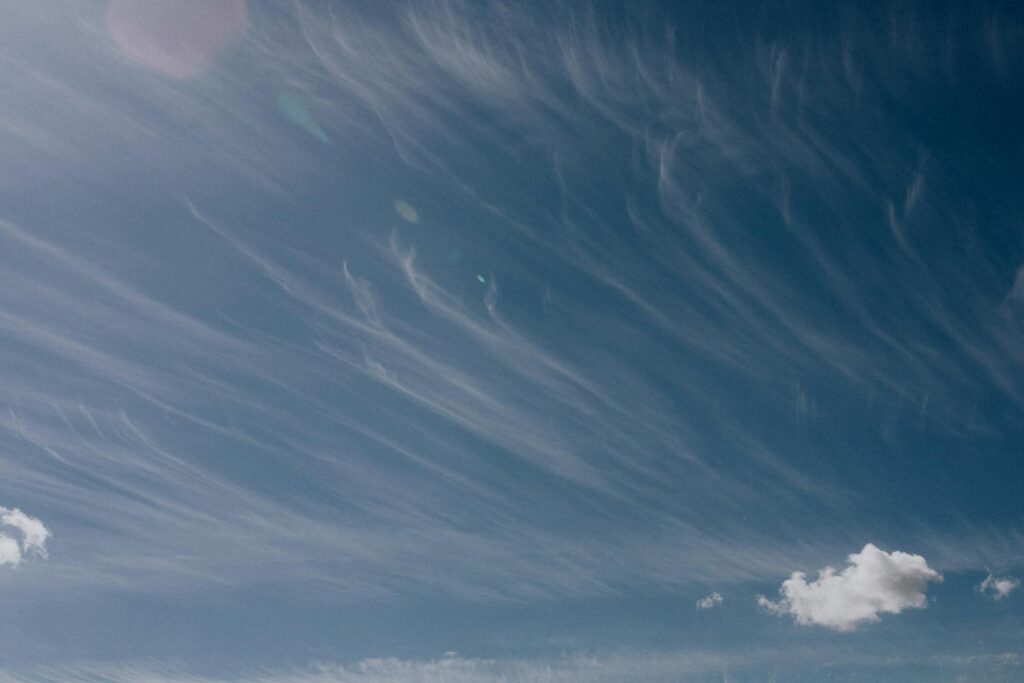
High, thin, wispy clouds, known as cirrus clouds, often indicate fair weather. However, when they thicken and lower, they can signal an approaching warm front and potential precipitation.
2. Watch for Cumulus Clouds

Cumulus clouds are typically associated with fair weather. However, when they grow vertically into towering cumulus or cumulonimbus clouds, they may indicate thunderstorms are likely.
3. Notice Stratus Clouds

Low, gray stratus clouds often cover the sky like a blanket and can bring light rain or drizzle. Their presence suggests stable but gloomy weather conditions.
4. Red Sky at Morning and Night

The saying “Red sky at night, sailor’s delight; red sky in morning, sailors take warning” holds merit. A red evening sky suggests high pressure and stable air coming in from the west, indicating good weather. Conversely, a red morning sky can signal that a storm system may be approaching from the west.
5. Halo Around the Moon or Sun
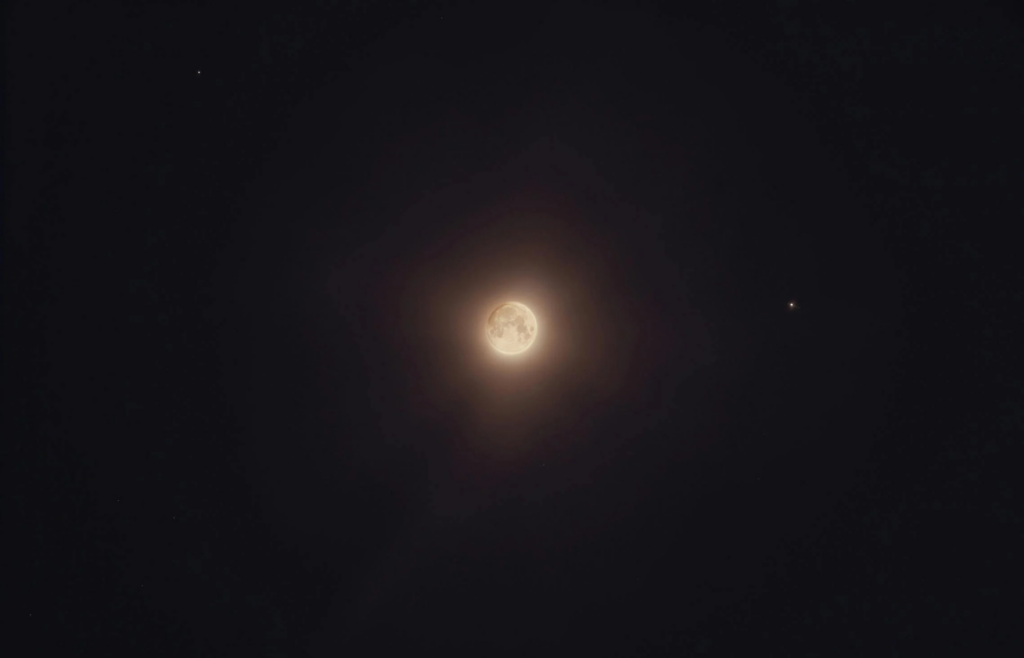
A halo around the moon or sun is caused by the refraction of light through ice crystals in high cirrus clouds. This phenomenon often precedes rain or snow within the next 24 to 48 hours.
6. Cloud Movement Direction

Observing the direction of cloud movement can provide clues about weather changes. Clouds moving from the west often bring unsettled weather, while those from the east may indicate fair conditions.
7. Cloud Color Changes

Darkening clouds, especially those turning from white to gray or black, suggest increasing moisture and the potential for rain or storms.
Read More: 10 Differences Between Weather and Climate (Scientifically Speaking)
8. Mammatus Clouds Formation
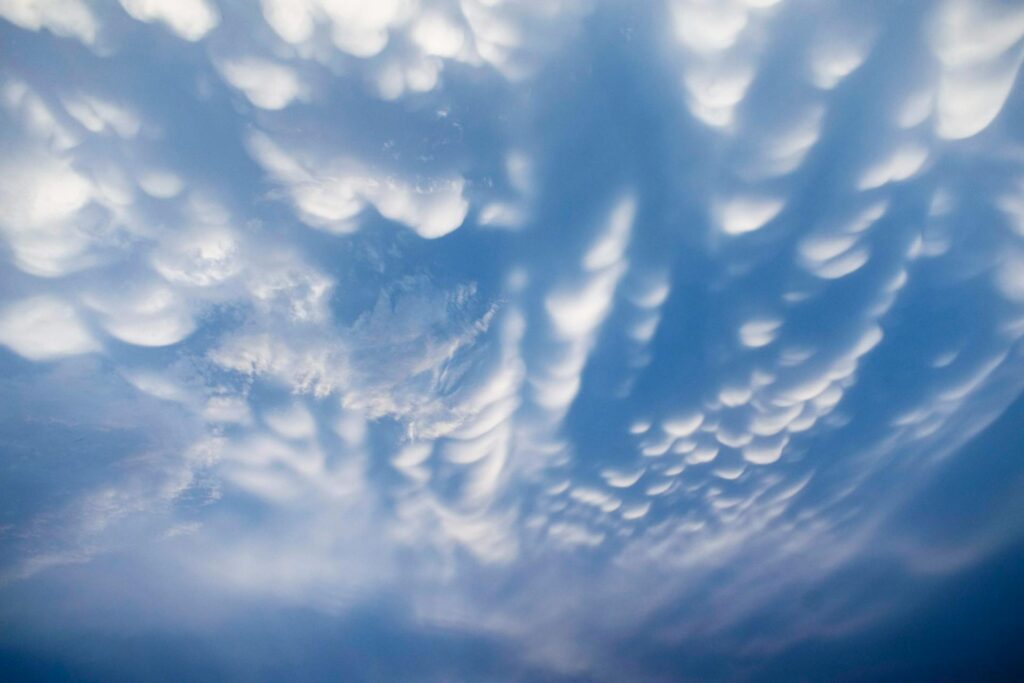
Mammatus clouds, characterized by pouch-like formations hanging from the underside, often indicate severe weather conditions, including thunderstorms or tornadoes.
Read More: 10 Bizarre Weather Forecasting Methods That People Once Believed
9. Altocumulus Clouds in the Morning
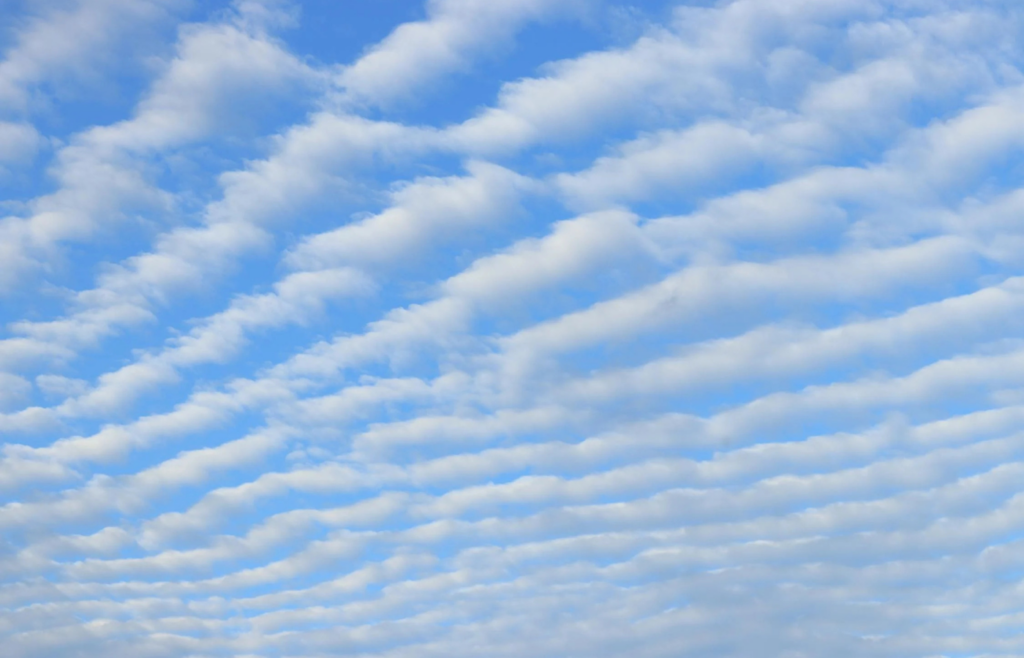
Altocumulus clouds appearing in the morning can signal the possibility of thunderstorms later in the day, especially during warm, humid conditions.
10. Lenticular Clouds Over Mountains

Lenticular clouds, which are lens-shaped and form over mountains, can indicate strong winds and turbulence, suggesting changing weather patterns.
11. Noctilucent Clouds at Dusk
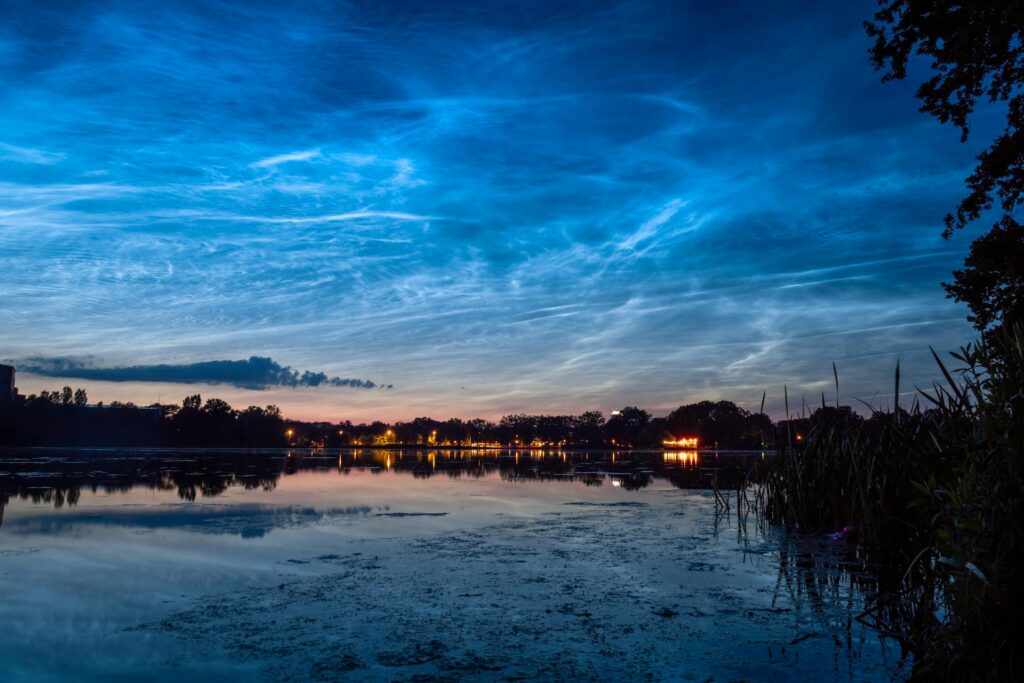
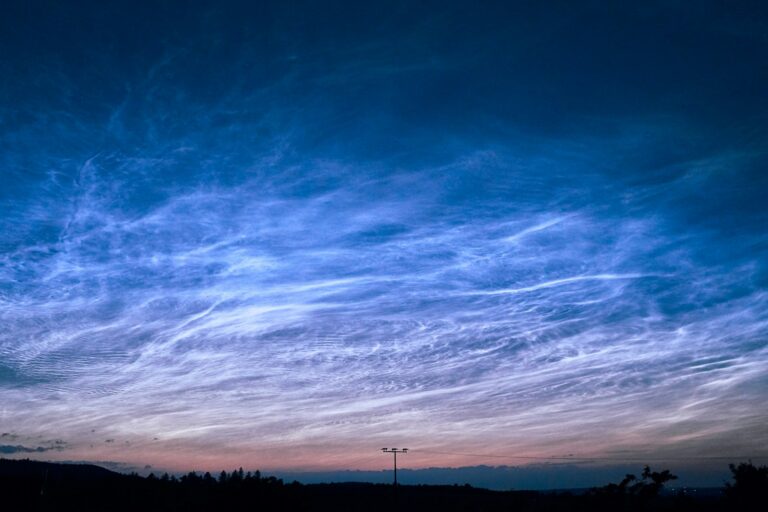
These high-altitude, glowing clouds are rare but can indicate changes in the upper atmosphere, sometimes preceding cooler weather.
12. Contrail Persistence

Persistent and spreading contrails from airplanes suggest higher humidity at those altitudes, which can indicate an approaching low-pressure system and potential precipitation.
13. Virga Observations
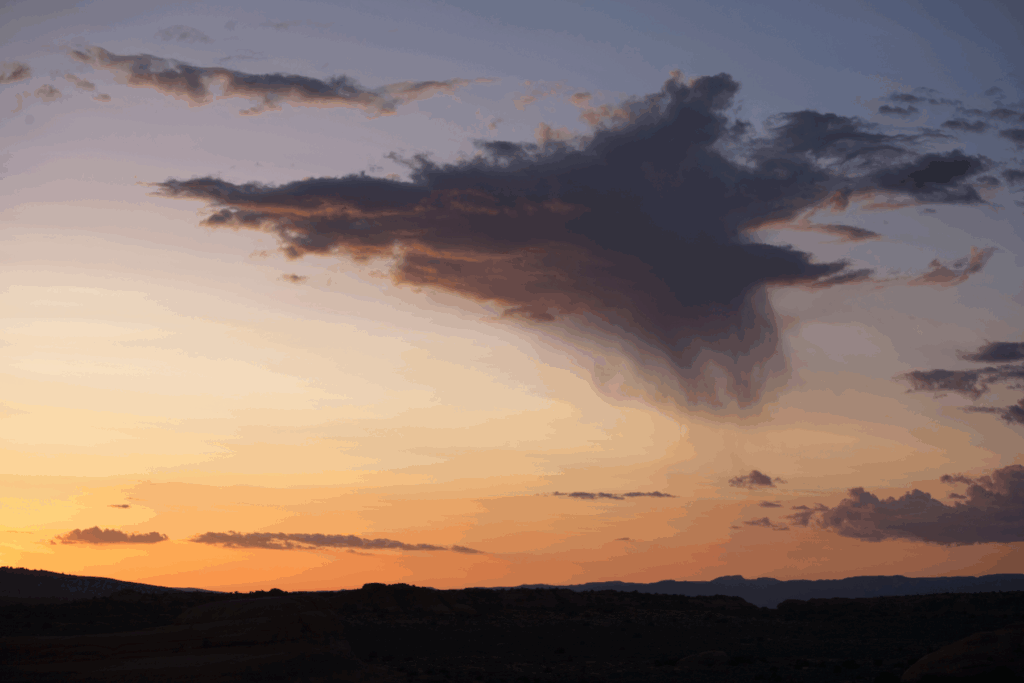
Virga, or precipitation that evaporates before reaching the ground, can indicate dry air at lower levels and may precede changing weather conditions.
14. Shelf Clouds Appearance
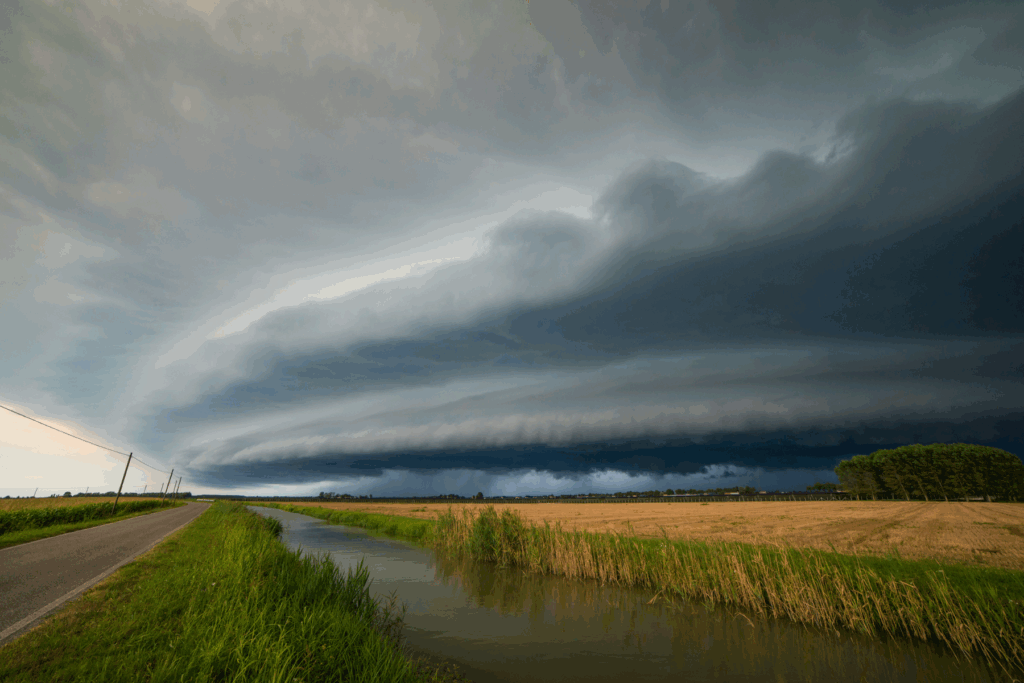
Shelf clouds are often associated with severe thunderstorms and can signal the approach of strong winds and heavy rain.
15. Observing Stellar Twinkling
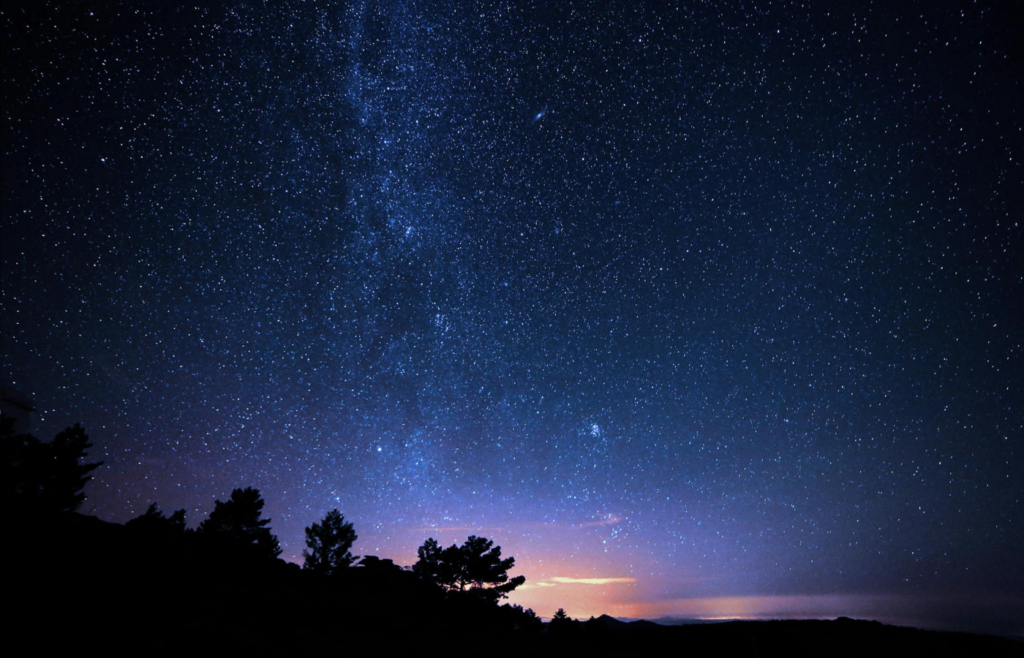
Increased twinkling of stars can indicate atmospheric turbulence and approaching weather changes, such as storms or shifts in wind patterns.
By paying close attention to these sky patterns and formations, you can develop the ability to anticipate weather changes, enhancing your preparedness for outdoor activities.
Read More: 10 Cloud Facts That Will Change the Way You Look Up