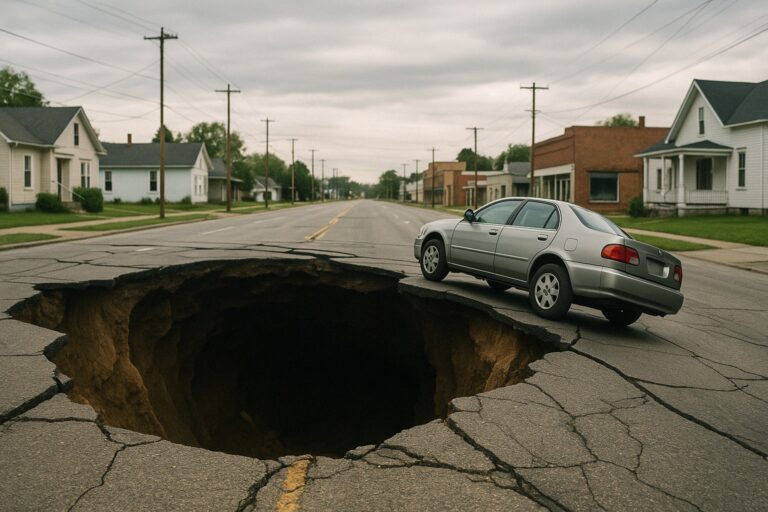

Before radar, satellites, and meteorologists, people relied on strange, superstitious, and sometimes downright bizarre methods to predict the weather. While some had a bit of truth to them, others were based on pure folklore and guesswork.
Here are 10 of the weirdest weather forecasting methods people once believed!
1. Woolly Bear Caterpillars Predict the Winter
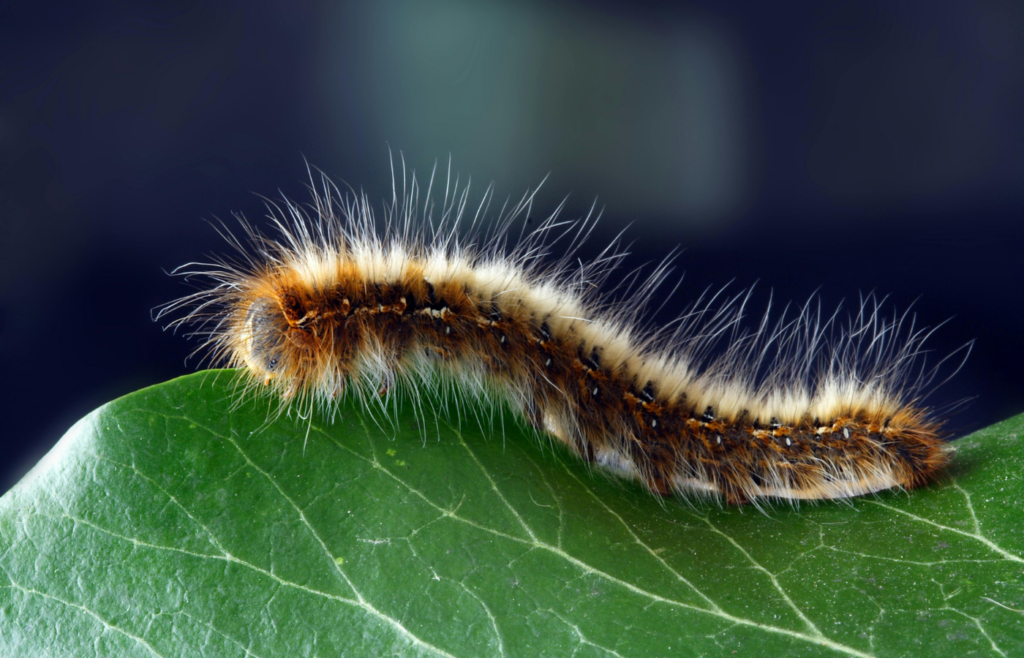
For centuries, individuals thought wooly bear caterpillars might foresee the seriousness of winter based on their stripe designs. Old stories recommend more dark implies a cruel winter, whereas more brown demonstrates a gentle one. In reality, the caterpillar’s color reflects its age and bolstering conditions, not the climate.
2. Cows Lie Down Before It Rains
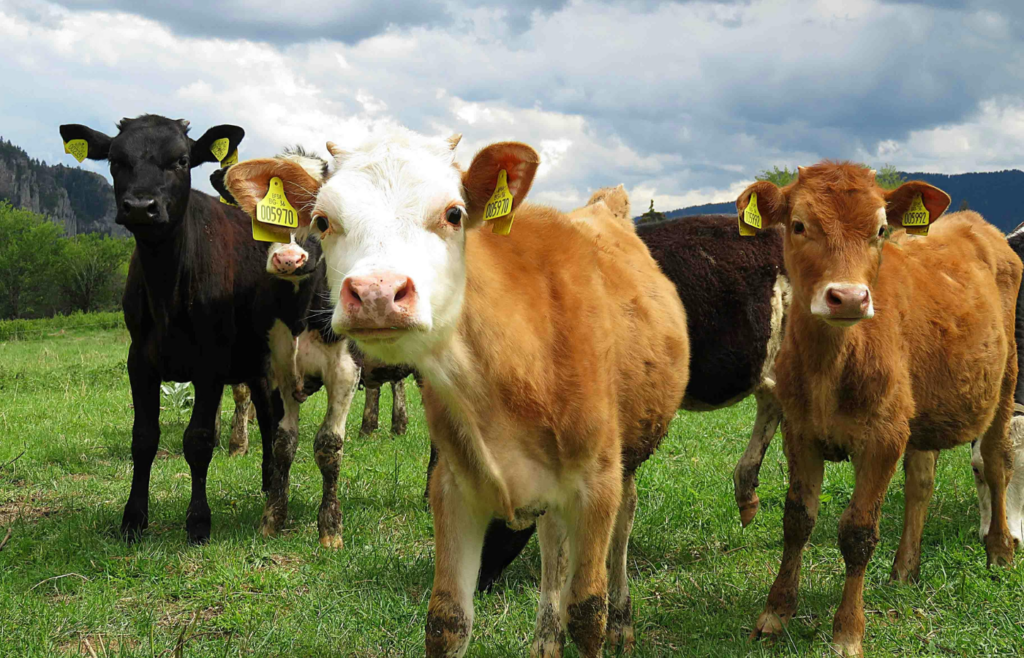
Farmers once thought cows lay down when rain was coming, believing they could sense rising humidity. While cows may occasionally react to humidity changes, they primarily lie down to rest, digest, or avoid flies. It’s not a reliable weather forecast.
3. Groundhog Day Predicts Spring’s Arrival
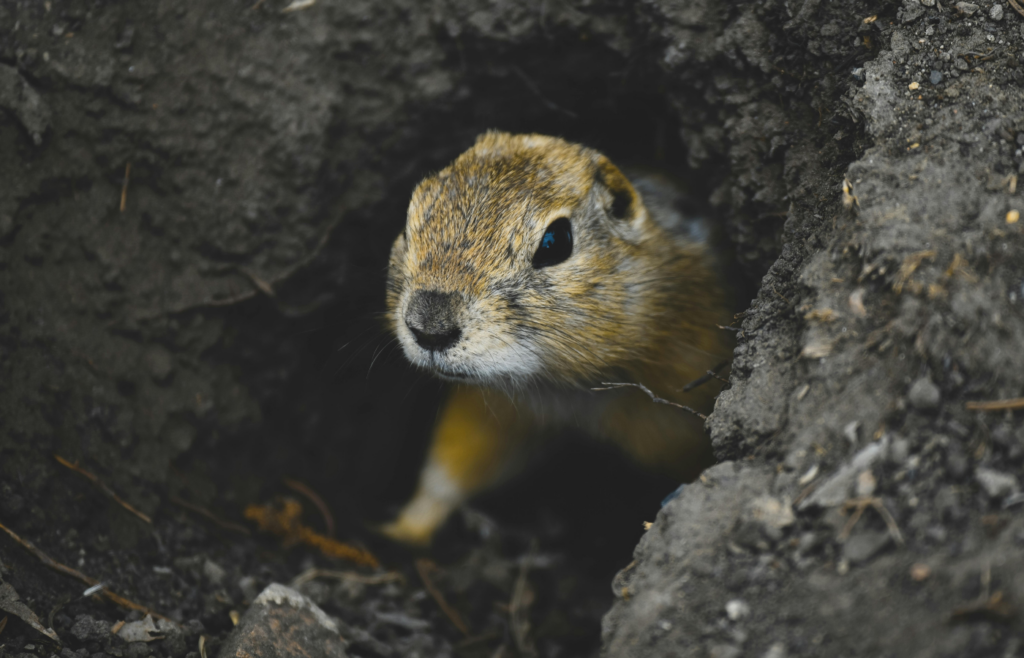
Punxsutawney Phil is the most famous animal weather forecaster, said to predict winter’s length based on his shadow each February 2nd. According to folklore, a shadow means six more weeks of winter; no shadow means an early spring. In reality, Phil’s accuracy is only about 39% less than chance!
4. The Moon’s Shape Predicts Rain
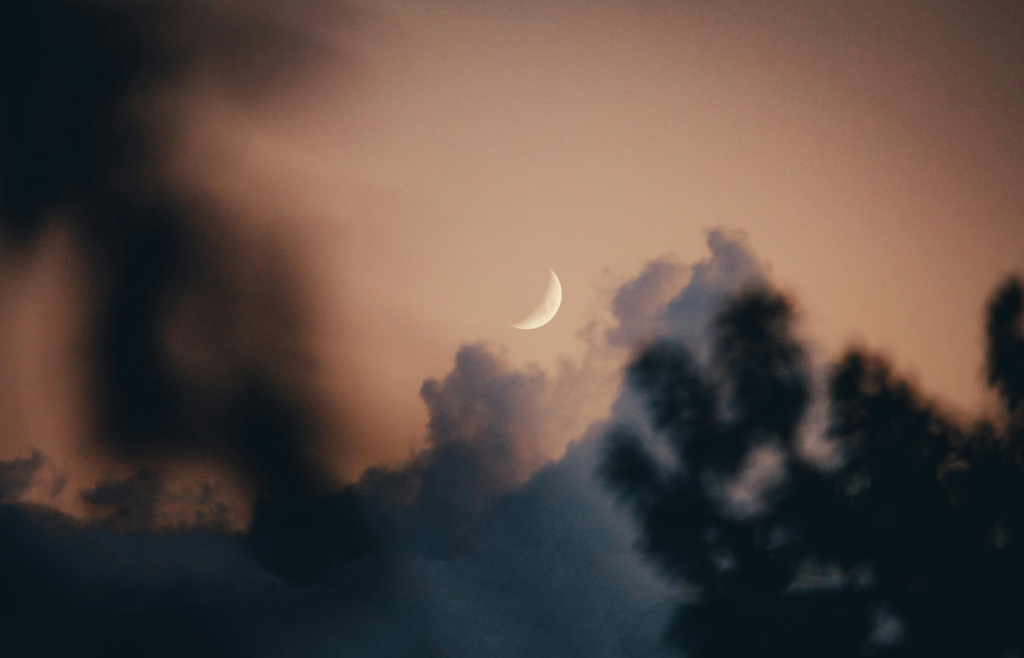
Outdated farmers acknowledged the moon’s appearance and may expect the climate a brilliance inferred rain was coming, though a clear, sharp moon signaled dry skies. In truth, a crown does illustrate moistness in the discussion and may go some time recently a storm. But the clarity of the moon itself doesn’t predict precipitation.
5. Pain in Bones Predicts Rain

Many people believe joint pain or headaches are signs that a storm is coming. While it hasn’t been fully proven, some studies suggest that changes in barometric pressure may indeed affect joint and nerve pain. So there may be some truth behind this bit of weather folklore.
6. When Roosters Crow at Night, It Will Rain
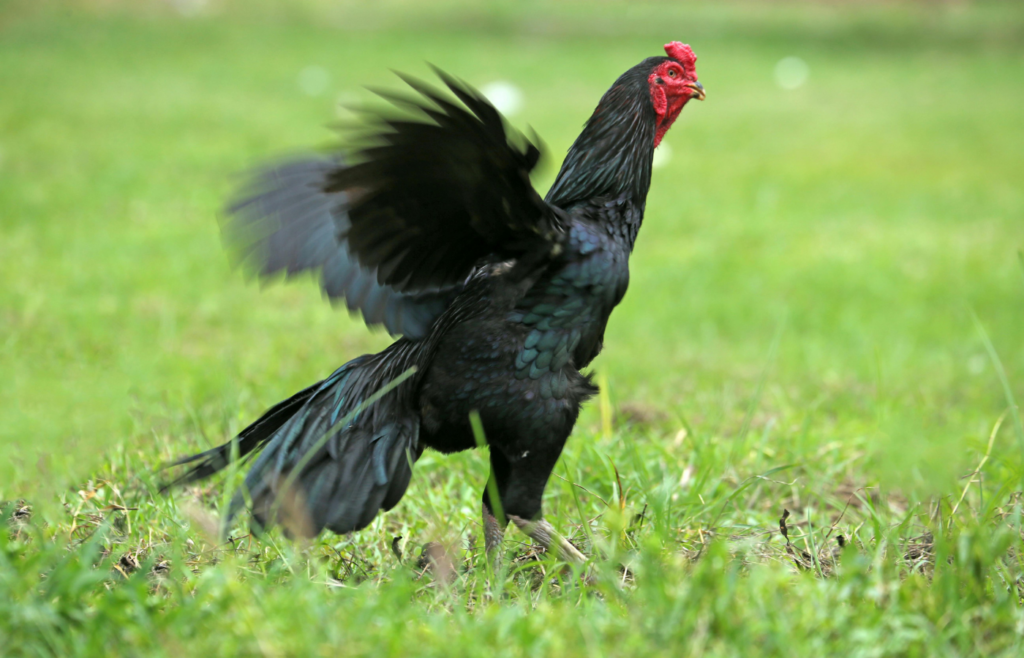
Folklore says roosters crowing at night means rain is on the way as if they’re warning of an approaching storm. In reality, roosters crow for all kinds of reasons like reacting to noise, light, or defending their territory. It’s more about the moment than the weather.
7. A Red Sky Predicts the Weather

The ancient saying “Red sky at night, sailor’s charm. Ruddy sky in morning, sailor’s warning” really holds a few truths. A ruddy dusk regularly implies tall weight and great climate are moving in, whereas a ruddy dawn can flag a drawing closer storm framework. It’s one of the uncommon climate maxims sponsored by science.
8. If Spiders Are Active, Expect Good Weather
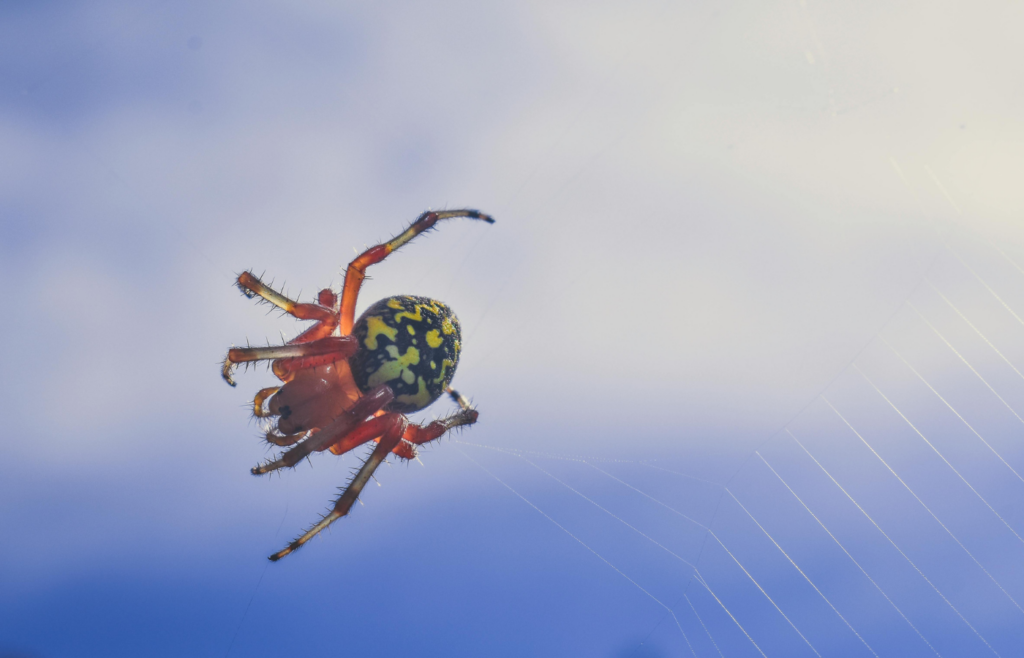
Folklore claims spiders can predict the weather active web spinning means fair weather, while hiding or tearing down webs signals a storm. There’s some truth to it, as spiders are sensitive to humidity and changes in air pressure. Still, it’s far from a reliable forecast.
Read More: 10 Places Where The Weather is Amazing Year Round
9. Cats and Dogs Act Weird Before Storms

Many pet owners say their cats and dogs act oddly before storms dogs may whine or hide, while cats become clingy or vanish. This behavior might be rooted in science, as animals can sense shifts in barometric pressure, and dogs may hear distant thunder before we do. It’s a mix of instinct and heightened senses.
Read More: Top 10 Strangest Things Ever Erupted from a Volcano
10. The Thickness of Onion Skins Predicts the Winter
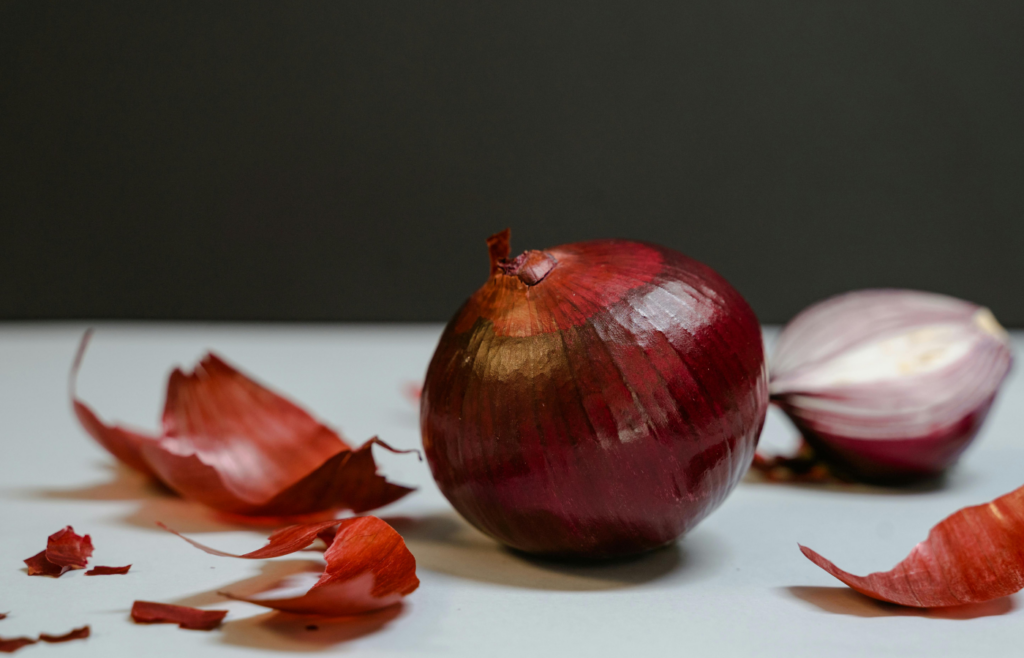
A few agriculturists who recognized the thickness of onion skins might anticipate the reality of winter thicker skins proposed a harsher season. But in reality, onion skin thickness is impacted by conditions, soil, and hereditary qualities, not the climate ahead. There’s no science to back up this claim.
Read More: Top 10 Weather Phenomena That Science Still Doesn’t Fully Understand