Individuals frequently blend up climate and climate, but in science, they cruel exceptionally diverse things. One is short-term. The other plays the long game.
Understanding the contrast isn’t fair almost lexicon it’s key to making sense of everything from today’s estimate to worldwide climate alter. Let’s break it down.
1. Time Scale
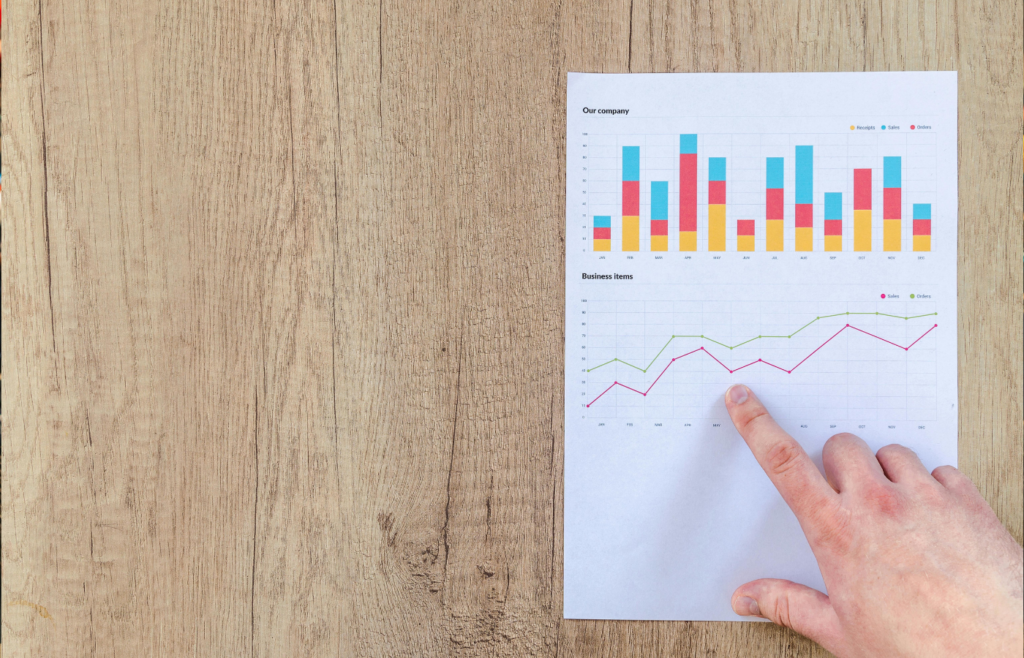
Weather refers to the short-term conditions happening right now, whether it’s the temperature, rain, or wind outside your window. Climate, on the other hand, is the long-term average of weather patterns over decades, typically 30 years or more. While weather is what you experience daily, climate tracks broader trends over time.
2. Predictability

Weather forecasts are reliable for a few days, but accuracy tends to drop after about 10 days. In contrast, climate is more predictable over the long term, allowing us to identify trends like rising temperatures or shifting rainfall patterns years or even decades in advance.
3. Measurement Tools
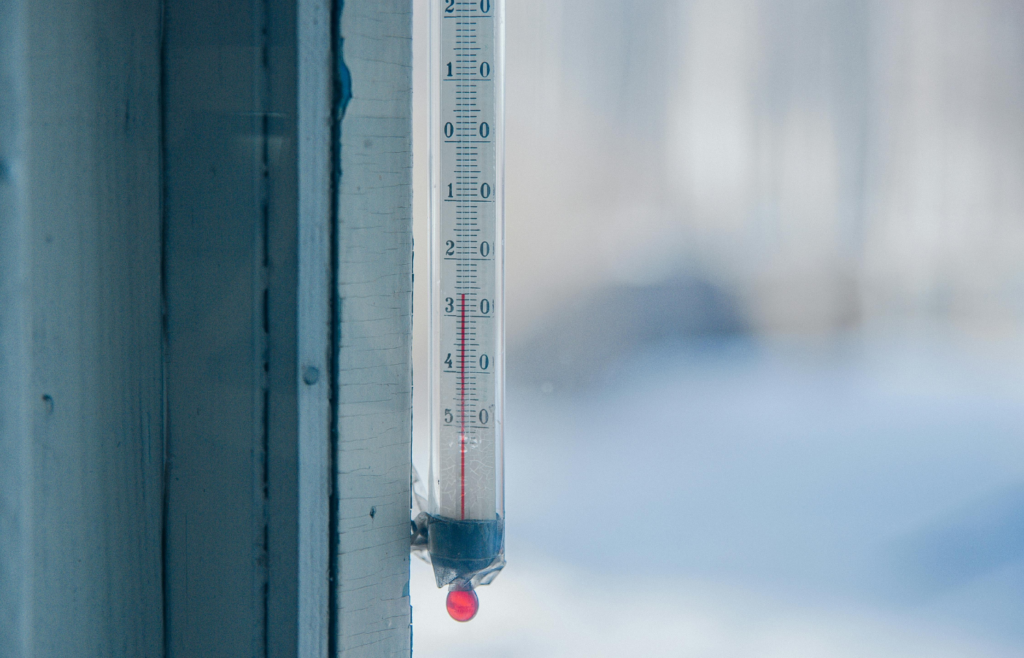
Weather is measured with tools like radar, satellite images, and sensors that capture real-time changes in the atmosphere. Climate studies, however, rely on long-term data such as weather records, ice cores, tree rings, and ocean sediment to identify and analyze trends over decades.
4. Daily Experience vs. Long-Term Trends

You can experience the weather directly whether it’s hot, cold, rainy, or windy but climate is something observed through long-term data. While a snowfall during a warming trend is part of the weather, climate examines whether snowfall patterns are increasing or decreasing over the decades.
5. Extreme Events

Weather encompasses short-term events like thunderstorms, hurricanes, and heatwaves specific occurrences that happen quickly. Climate looks at whether these extreme events are becoming more frequent or intense over time, such as whether heat waves are happening more often each decade.
6. Human Impact
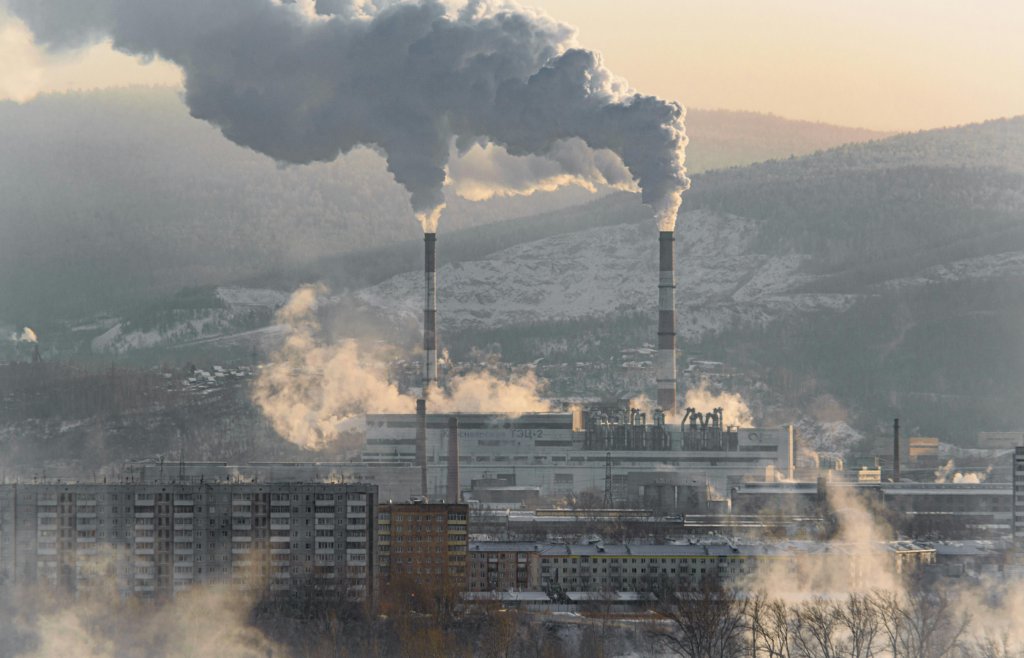
Weather isn’t heavily influenced by humans in the short term a thunderstorm doesn’t form because of car exhaust. Climate, however, is directly affected by human activities, as greenhouse gases from burning fossil fuels trap heat and gradually alter global climate patterns.
7. Location-Based Understanding
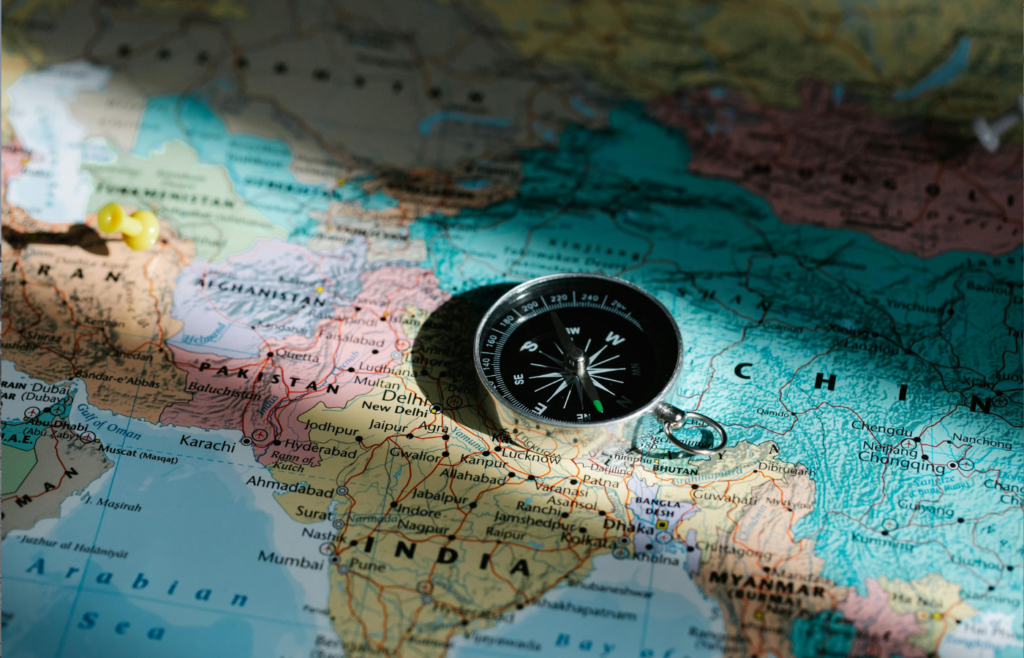
Weather can change rapidly and vary even between nearby areas your neighborhood might stay dry while your friend’s gets rain. Climate, on the other hand, refers to broader patterns over time, like Arizona’s consistently dry desert climate regardless of daily weather changes.
8. Use in Planning

Weather forecasts help with daily decisions, like whether to bring an umbrella or wear a jacket. Climate data is used for long-term planning guiding choices in agriculture, construction, and where to place things like wind farms.
Read More: Top 10 Reasons Yellowstone’s Supervolcano Keeps Scientists Up at Night
9. Language Differences
We conversation around “today’s weather” or “this week’s forecast,” but alluded to “climate change” or “global climate patterns” when talking about long-term patterns. The dialect itself reflects the distinction in time scale climate is prompt, whereas climate is long-term.
Read More: Top 10 Strangest Things Ever Erupted from a Volcano
10. Climate Includes Weather
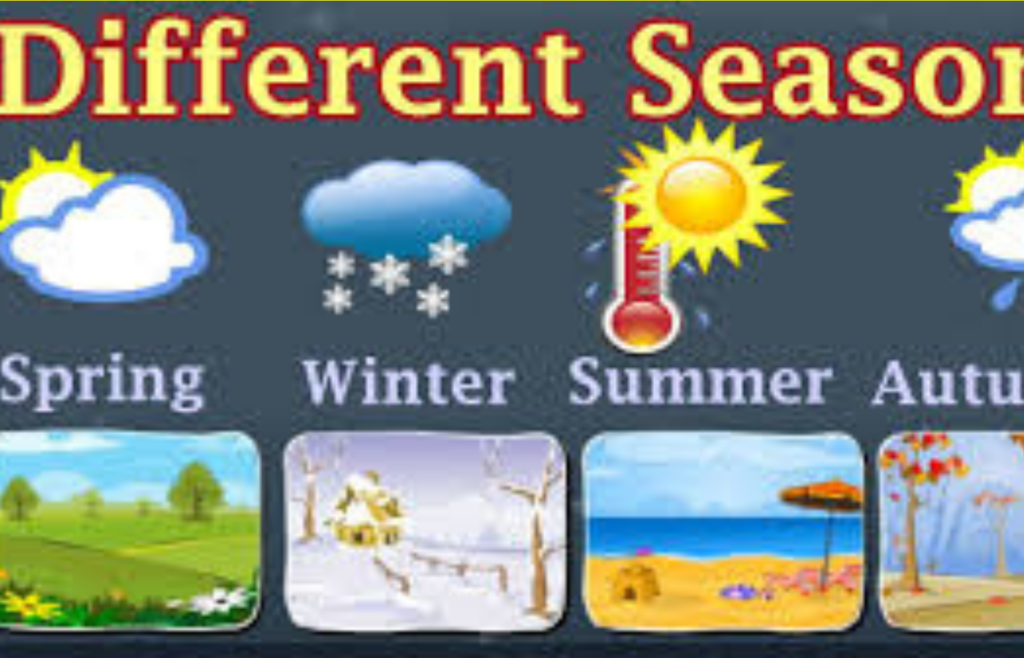
Climate is like a single chapter, whereas climate is the entire book. You require numerous days of climate to get it climate-designed. In brief, climate is what you anticipate climate is what you get.
Knowing the difference helps you read forecasts, follow climate news, and understand what’s really happening to our planet.
Read More: Top 10 Weather Phenomena That Science Still Doesn’t Fully Understand