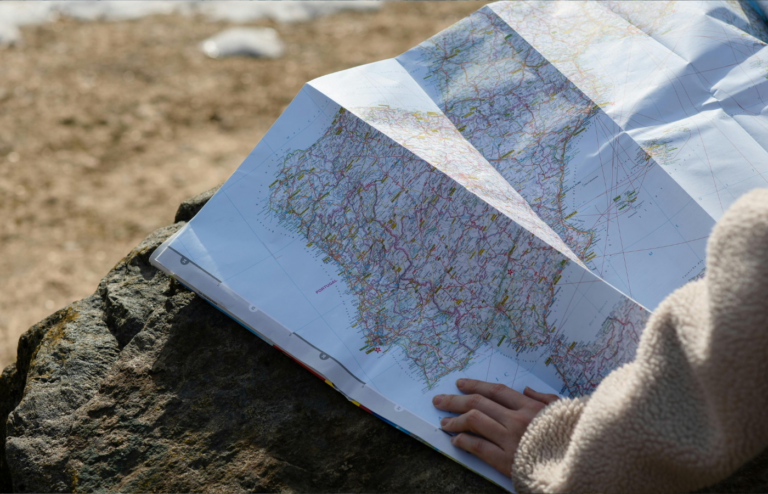
Navigating without modern tools is a skill that connects us deeply with nature. By observing the environment, we can find our way using cues from the sun, stars, plants, and animals. These time-tested methods have guided travelers for centuries.
Here are ten natural navigation tricks to enhance your outdoor adventures.
1. Use the Sun’s Position
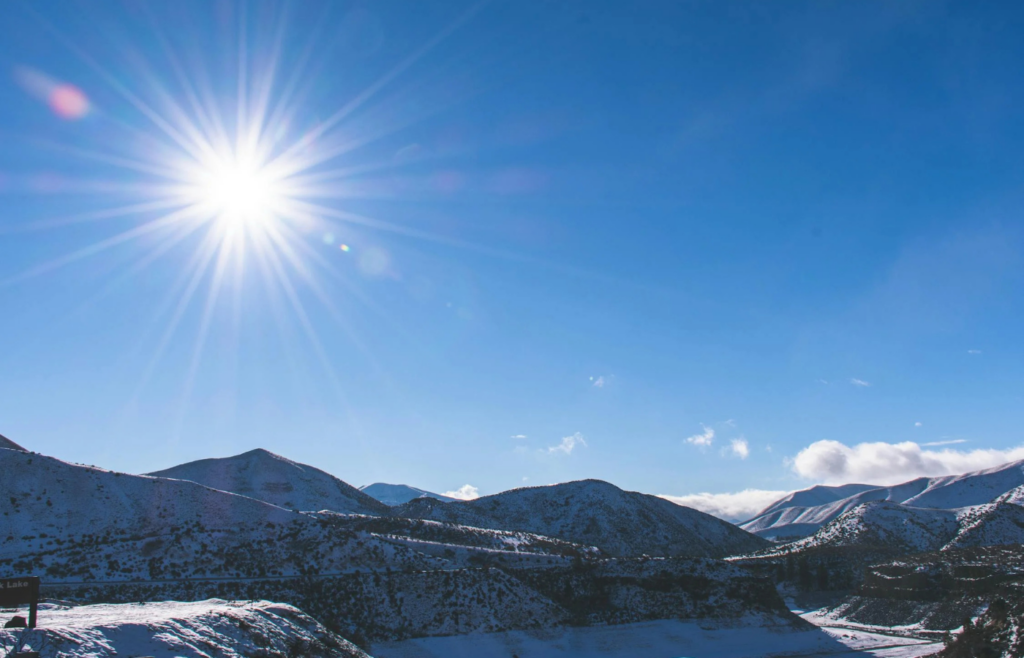
In the Northern Hemisphere, the sun reaches its highest point due south at local noon, making it a useful guide for finding directions. By noting where the sun rises (east) and sets (west), you can get a general sense of cardinal directions during the day.
2. Navigate by the Stars

At night, stars can help you navigate, with Polaris (the North Star) being a key guide in the Northern Hemisphere. It stays nearly fixed in the sky, marking true north. You can find Polaris by following the two stars at the end of the Big Dipper’s bowl.
3. Observe Plant Growth Patterns
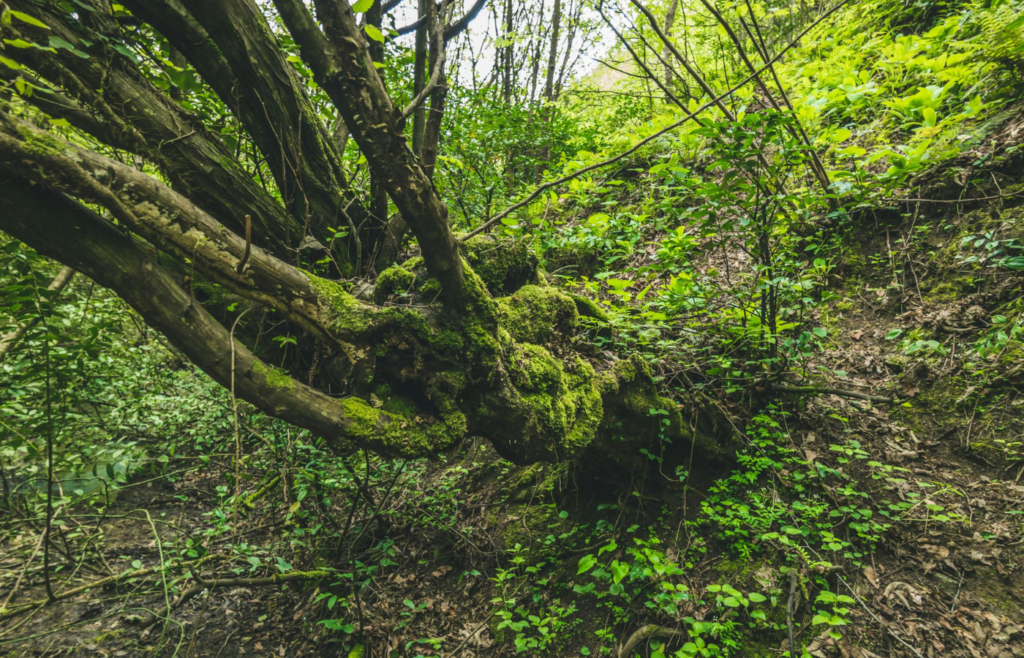
Although many believe moss grows mainly on the north side of trees, it’s not a reliable method since moss depends on moisture and shade. However, in some areas, plants like pilot weed align their leaves north to south, providing helpful directional hints.
4. Watch Bird Movements

Seabirds like the white tern can help point the way to land. They typically fly out to sea in the morning to hunt and return to shore by evening, so watching their flight patterns can lead you toward land.
5. Utilize Wind Patterns

Prevailing winds can influence how vegetation grows, often causing trees to be shorter or slanted on the windward side. Observing these patterns can help you identify the dominant wind direction and use it for orientation.
6. Follow Water Flow
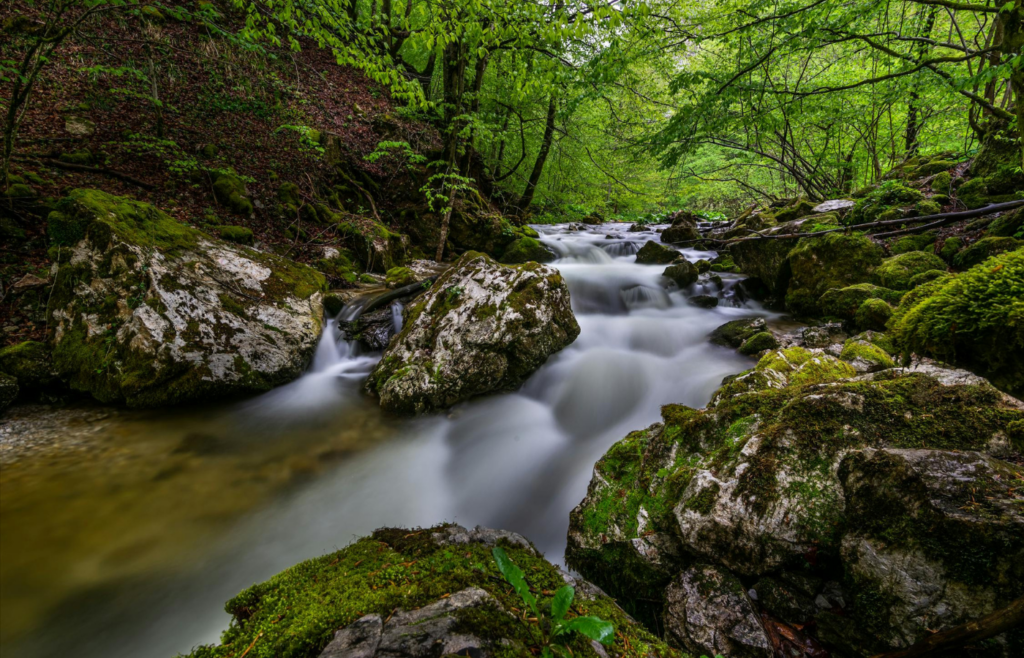
Rivers and streams naturally flow downhill toward larger bodies of water. Following them downstream can often lead to roads, towns, or signs of civilization especially helpful when navigating unfamiliar terrain.
7. Use the Shadow-Tip Method
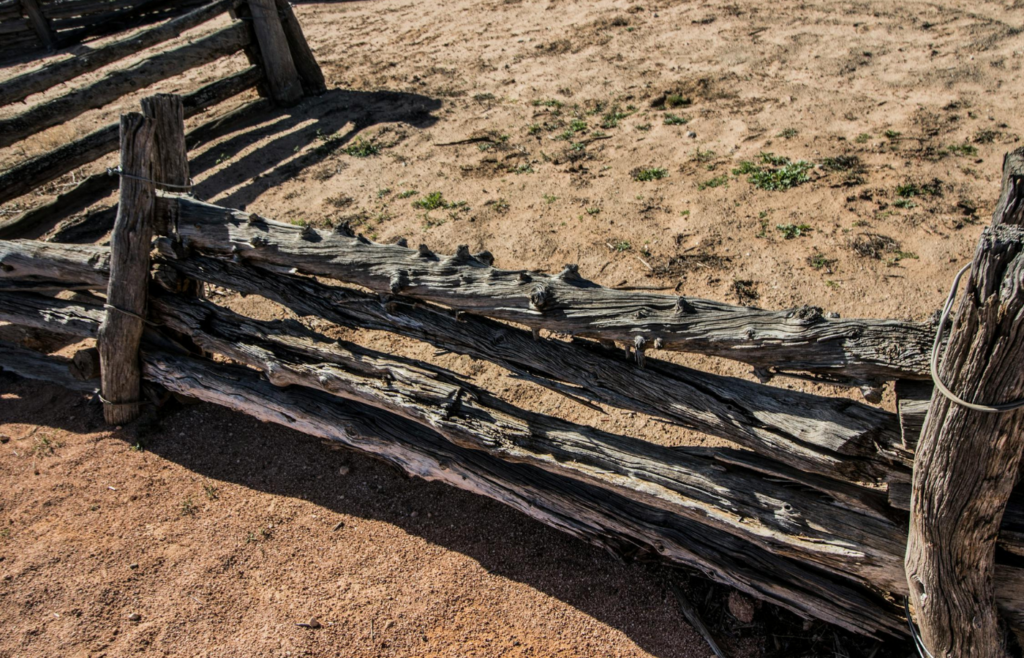
To determine direction, place a stick upright in the ground and mark the tip of its shadow. After 15 minutes, mark the new shadow tip, and draw a line between the two marks. This line will roughly run east-west, with the first mark indicating west, offering a simple way to use the sun’s movement for orientation.
8. Recognize Cloud Formations

Certain cloud types, like cumulus clouds, form over land due to rising warm air. When observed on the horizon, especially over the ocean, these clouds can signal the presence of land. Sailors have historically used this method to locate islands.
Read More: Top 10 Things Preppers Practice That Most People Ignore
9. Note Animal Behavior
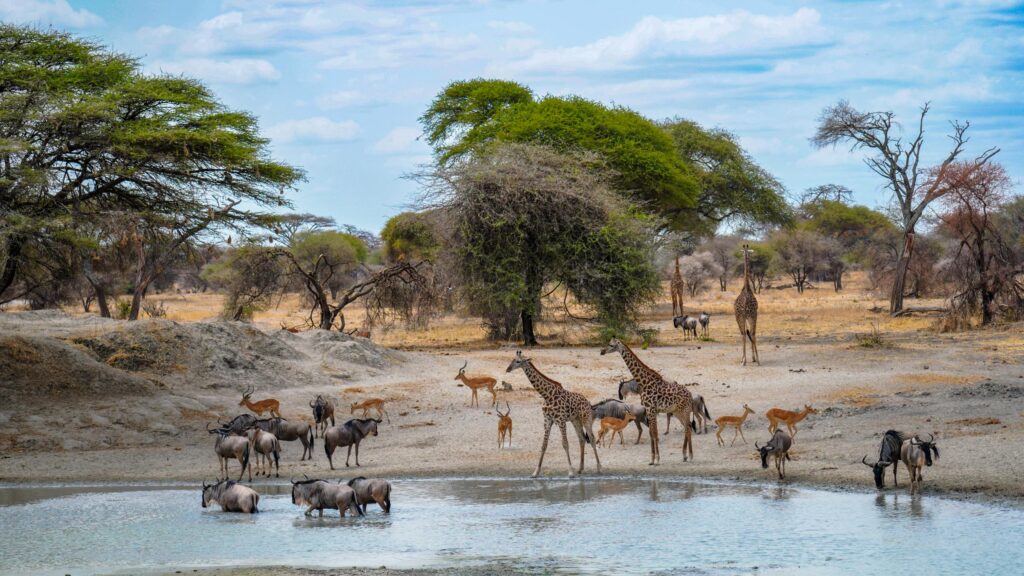
Animals tend to follow regular routines, especially around water sources. By observing animal trails or noting the direction birds fly in the morning and return in the evening, you can often locate nearby water bodies or settlements. This information can be vital for navigation and survival.
Read More: Top 10 Things Preppers Practice That Most People Ignore
10. Interpret Ocean Swells
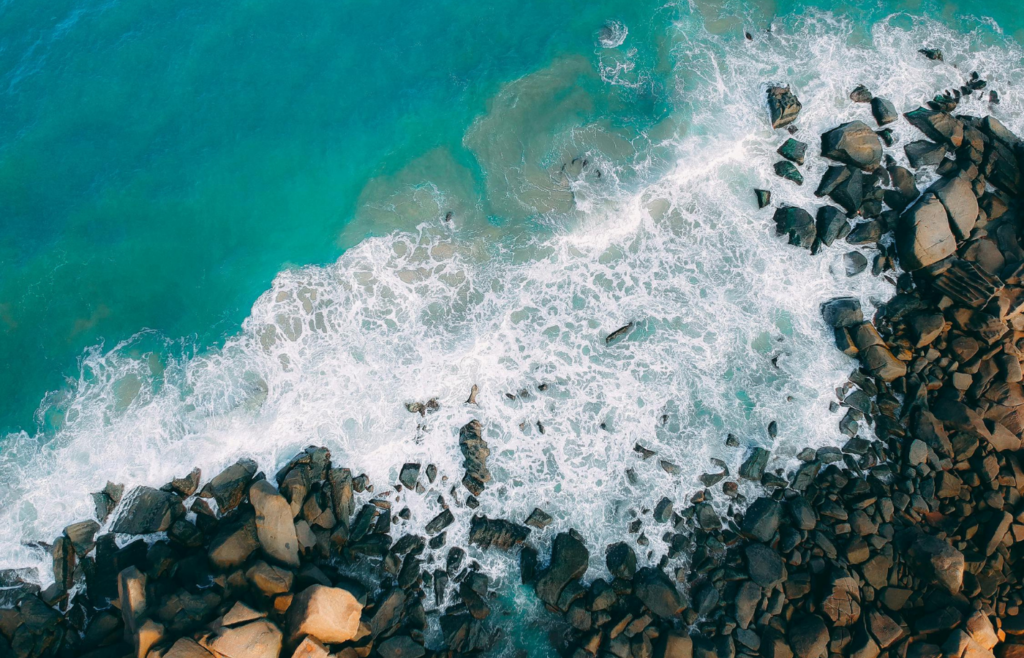
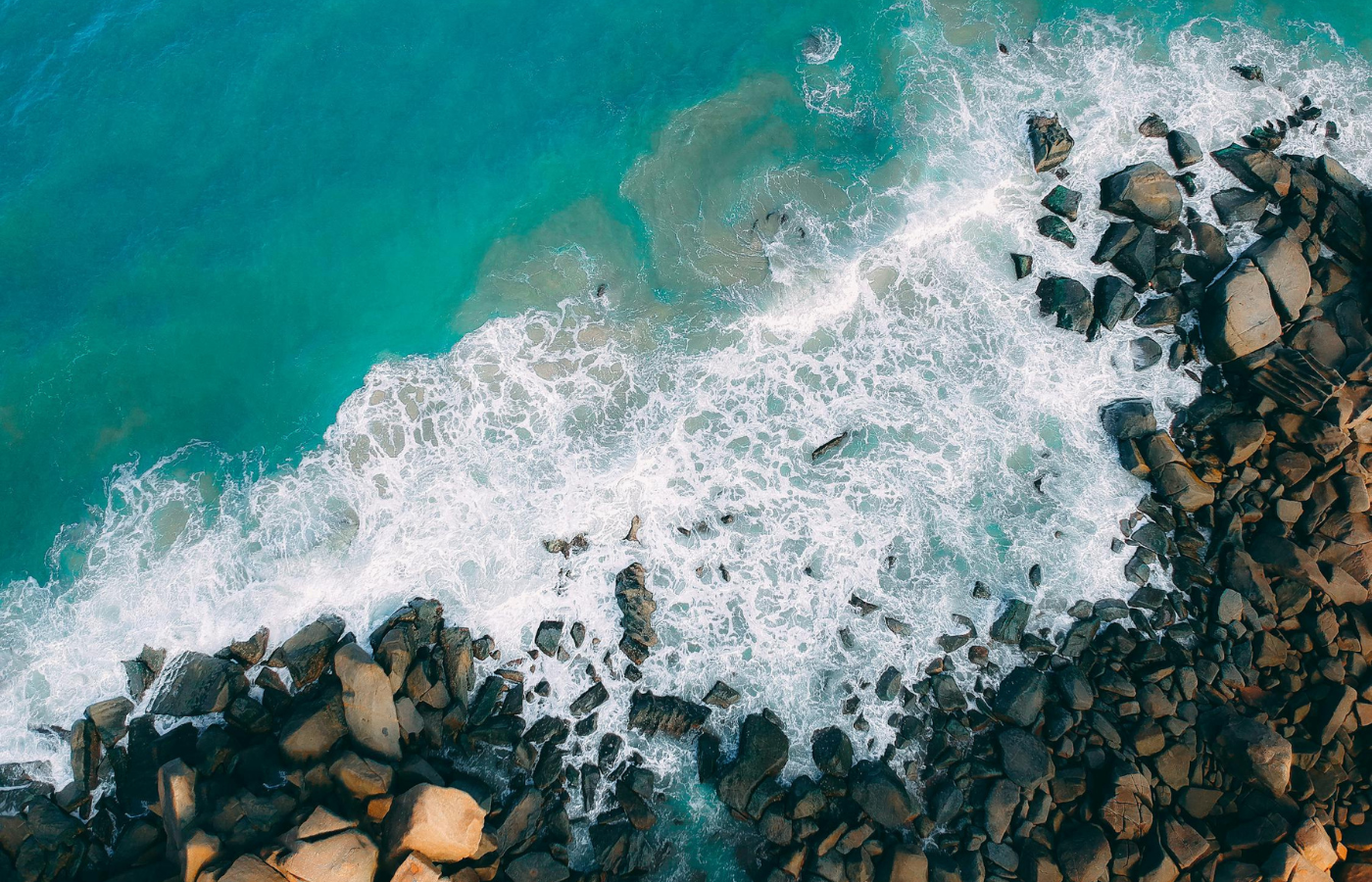
In open water, consistent ocean swells can reveal the direction of prevailing winds and help maintain a steady course. Skilled navigators can even detect slight changes in swell patterns, which may indicate nearby land or changing weather conditions. While it requires practice, this technique is crucial for maritime navigation.
Mastering these natural navigation techniques enhances your ability to traverse and connect with the environment. While modern tools are helpful, understanding nature’s cues offers a timeless and reliable way to find your path.
Read More: Top 10 Survival Gear Items That Are Surprisingly Affordable