Cooking without access to electricity or gas may seem challenging, but various methods have been employed throughout history and remain effective today. Whether for emergency preparedness or off-grid living, these techniques can help you prepare meals safely and efficiently.
Here are ten reliable ways to cook without power or gas:
1. Open Fire Cooking
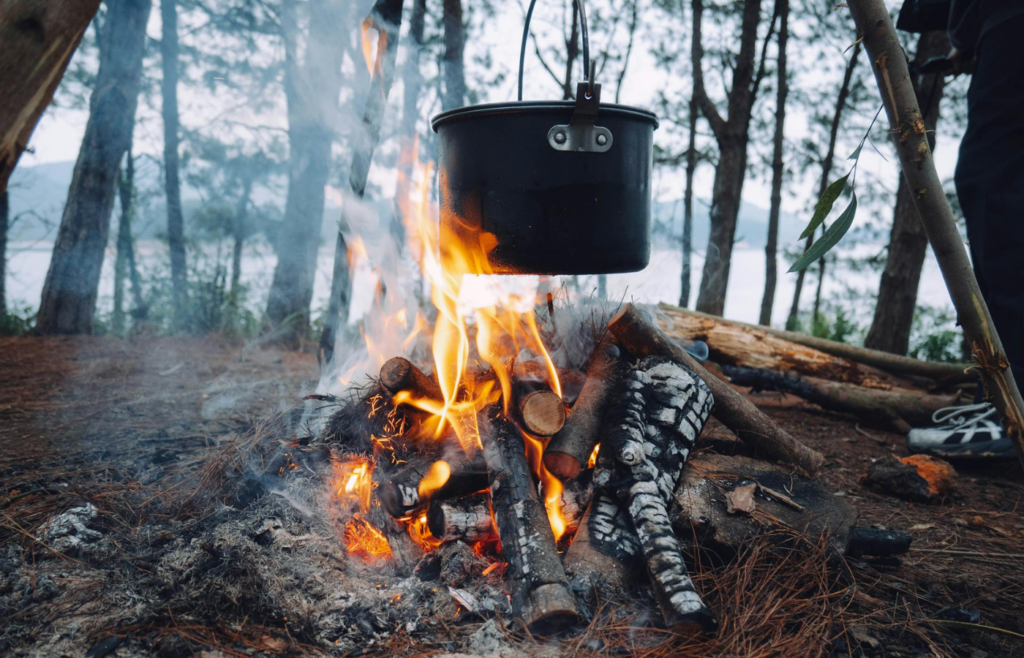
Cooking over an open flame, such as a campfire or outdoor fire pit, is a traditional method that allows for versatile meal preparation. You can grill meats, roast vegetables, or even bake bread using this approach. Utilizing tools like cast iron skillets or grates enhances the cooking experience.
2. Solar Cookers
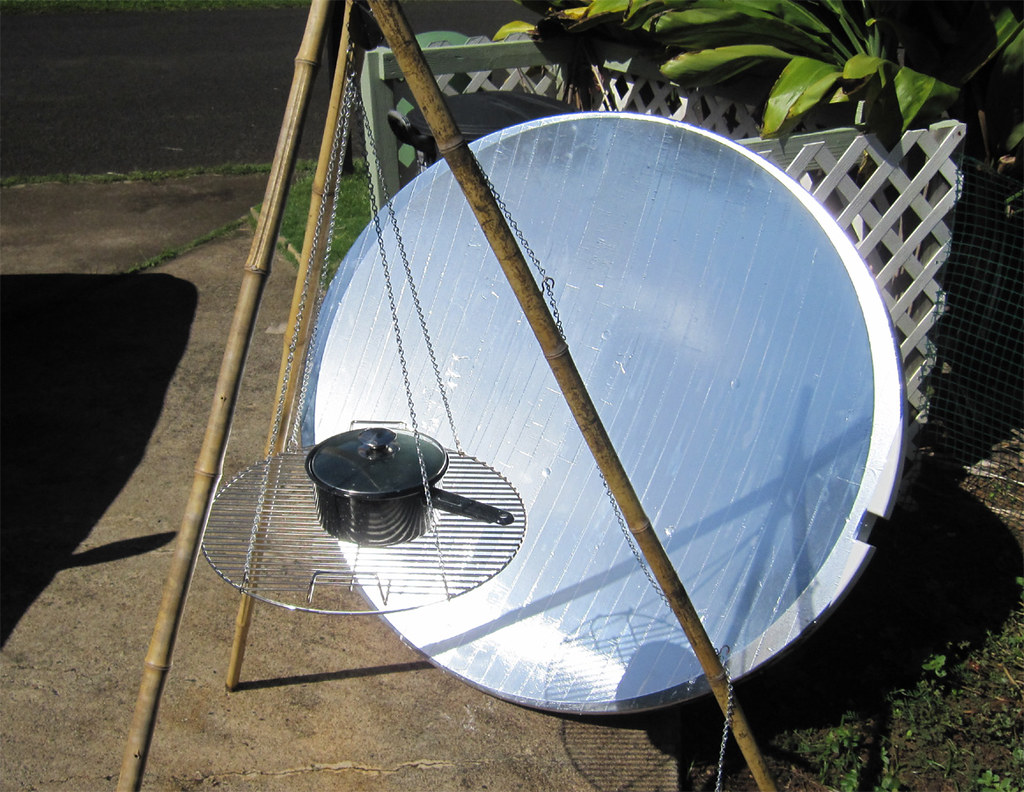
Solar cookers harness the sun’s energy to heat and cook food. They come in various designs, including box cookers, parabolic reflectors, and panel cookers. Solar cooking is environmentally friendly and requires no fuel, making it ideal for sunny climates.
3. Rocket Stoves
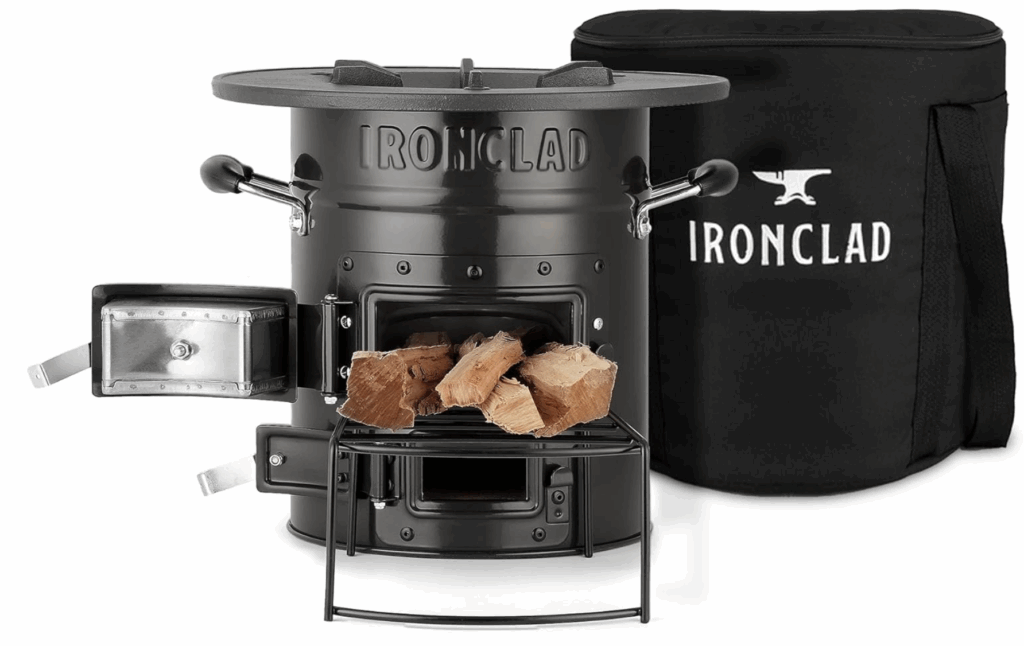
Rocket stoves are efficient, portable stoves that use small-diameter wood fuel. Their design allows for high combustion efficiency and minimal smoke, making them suitable for outdoor cooking with limited fuel resources.
4. Hobo Stoves
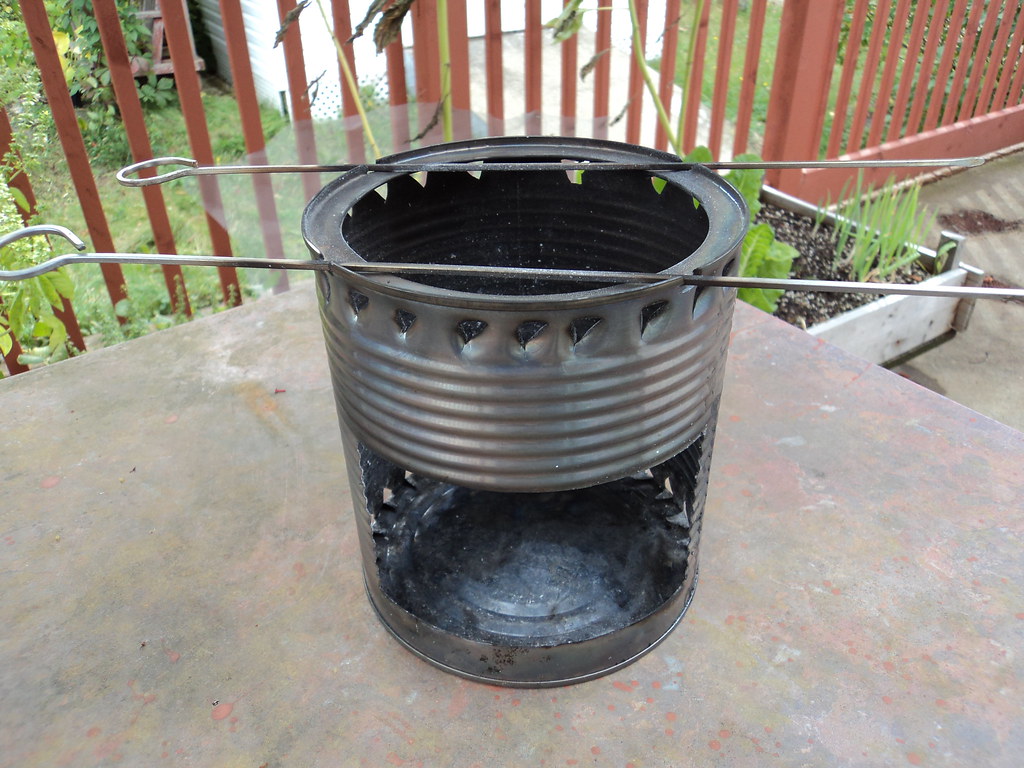
A hobo stove is an improvised cooking device made from a metal can with openings for ventilation. It’s fueled by small twigs or other combustible materials and is a simple, cost-effective solution for outdoor cooking.
5. Fireplace Cooking
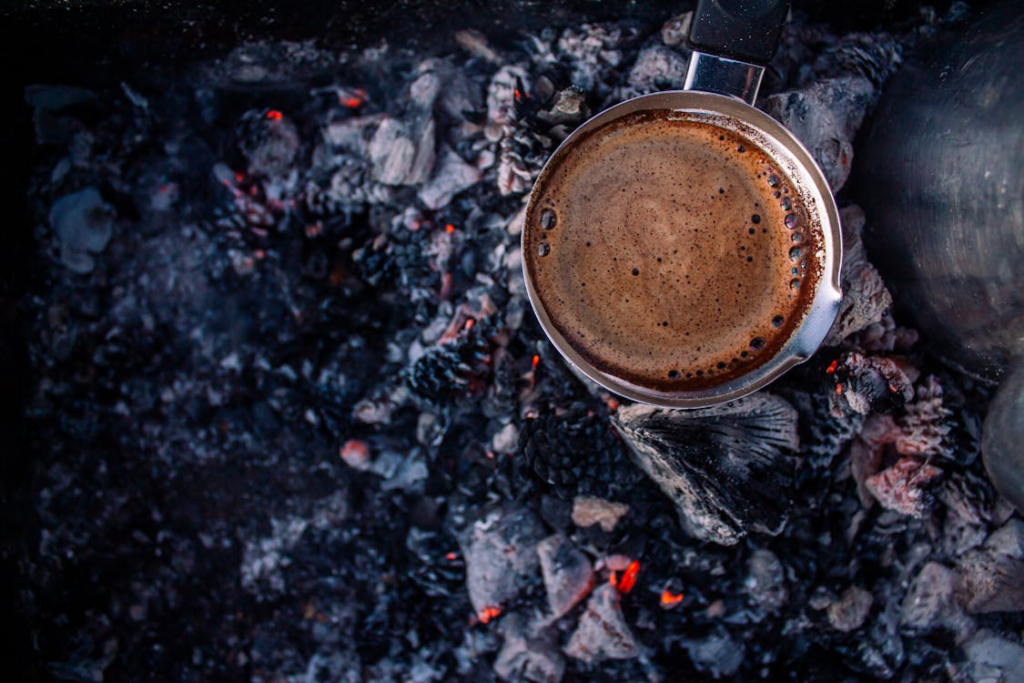
If you have a functional indoor fireplace, it can serve as a cooking spot during power outages. You can grill food or wrap it in foil and cook it in the fireplace. Ensure proper ventilation and never use charcoal indoors due to carbon monoxide risks.
6. Thermal Cookers
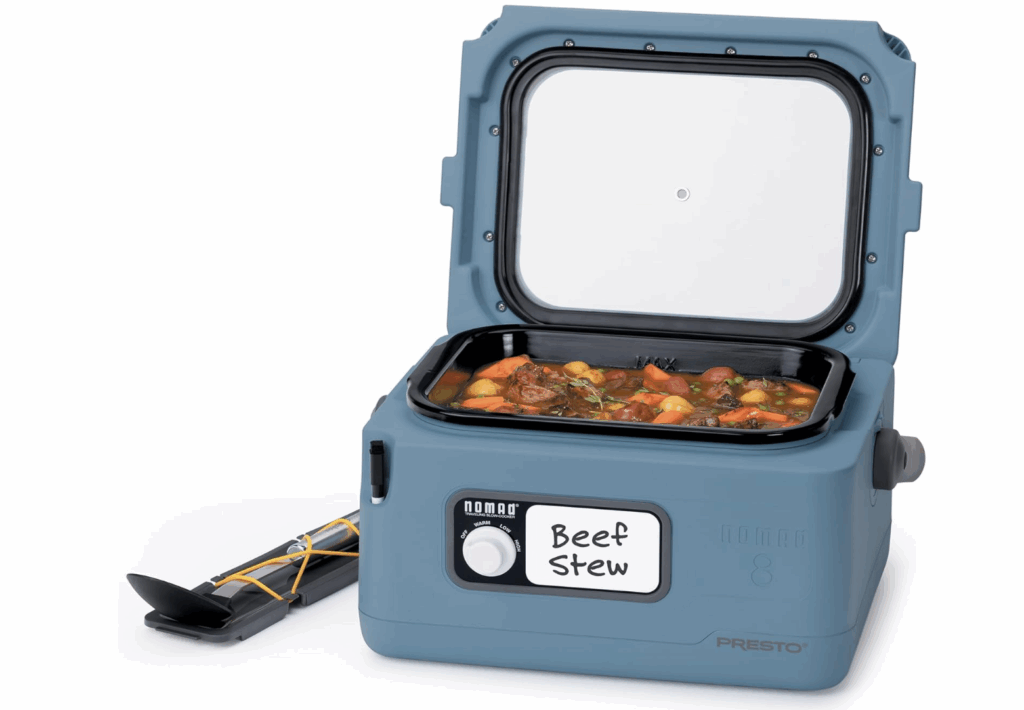
Thermal cookers, or retained-heat cookers, use insulation to retain heat and continue cooking food without continuous fuel. After bringing food to a boil, it’s placed in the insulated cooker to finish cooking over several hours, conserving energy.
7. Haybox Cooking
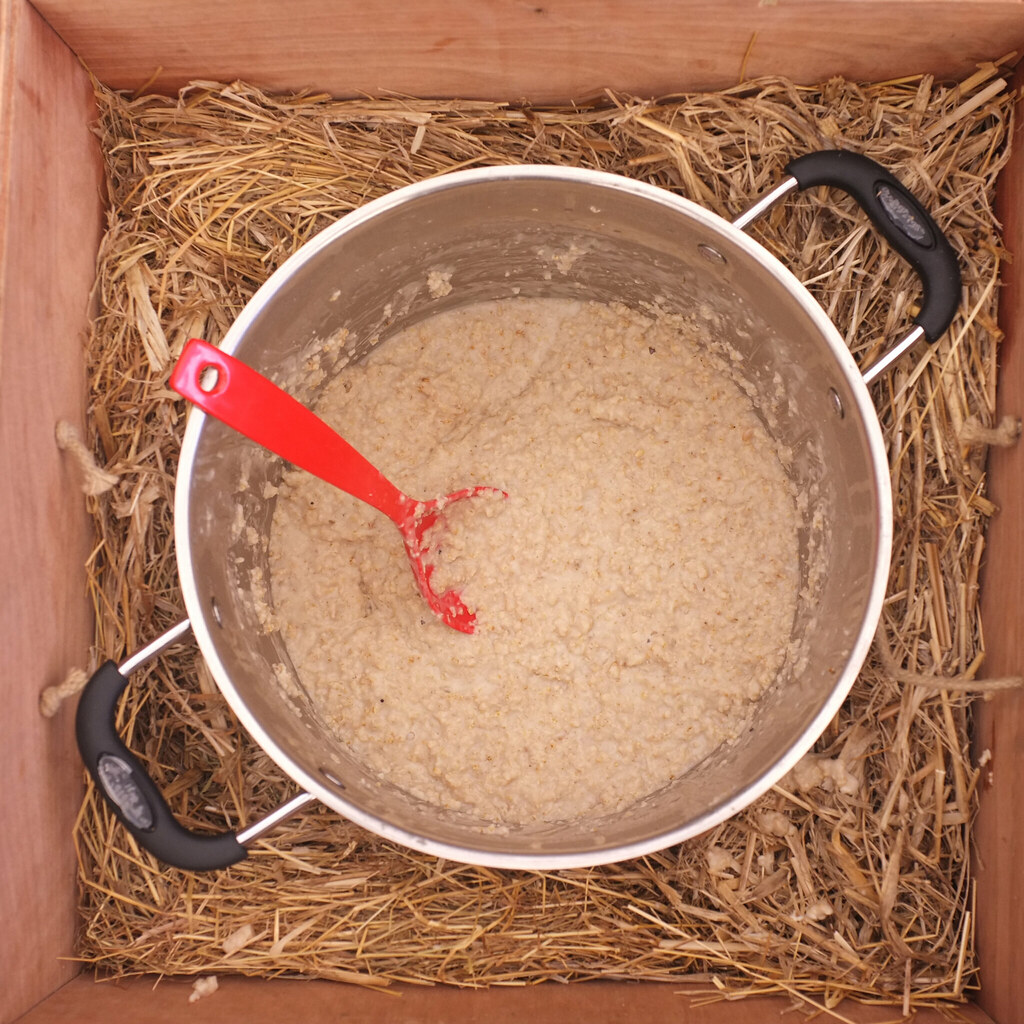
Similar to thermal cooking, a haybox uses insulating materials like hay or blankets to retain heat. Food is brought to a boil and then placed in the insulated box to continue cooking slowly without additional fuel.
8. Portable Gas Stoves
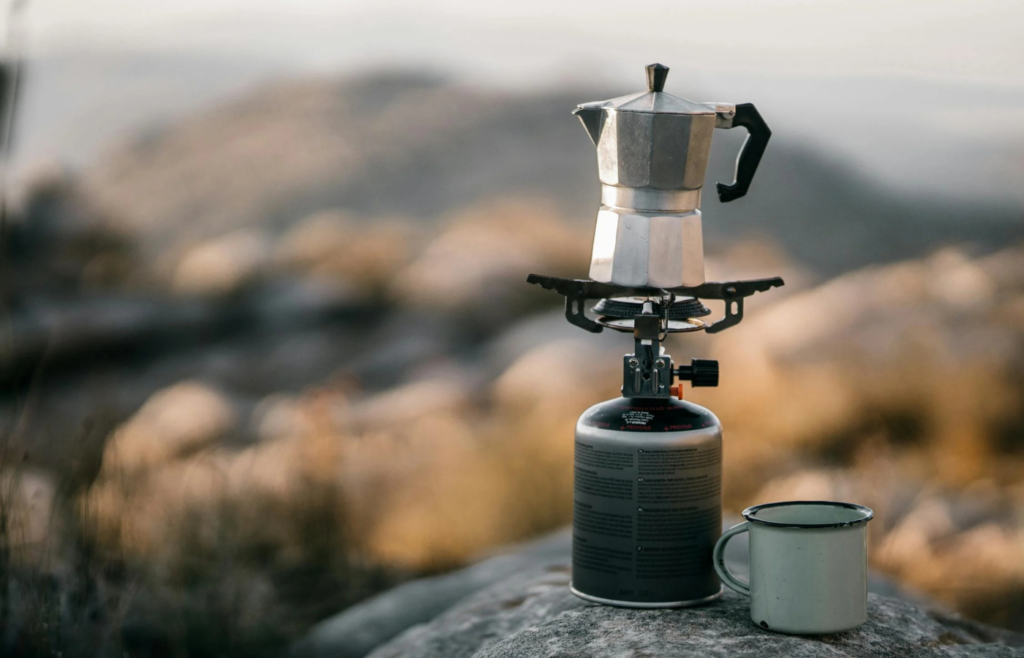
Portable gas stoves, such as butane or propane burners, are compact and easy to use. They provide a controlled flame suitable for various cooking methods and are popular among campers and for emergency preparedness.
Read More: Top 10 Secret Spots in Your House to Store Emergency Food
9. Earth Ovens (Hāngī)
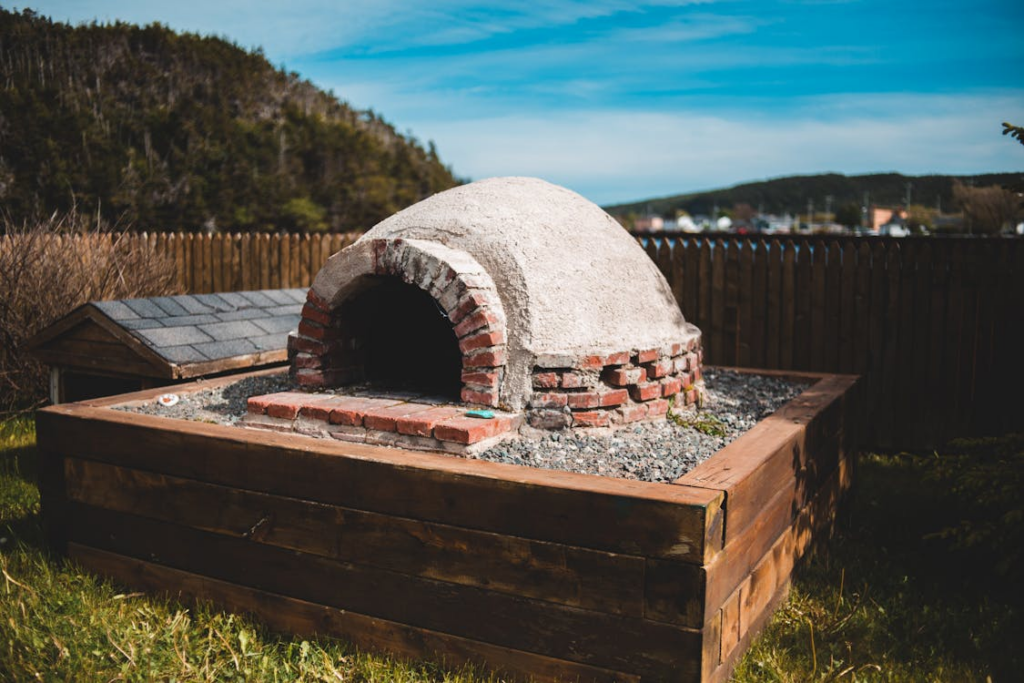
An earth oven, or hāngī, involves digging a pit, heating stones with a fire, placing food wrapped in leaves or foil on the stones, and covering it all with earth to cook slowly. This ancient method is excellent for cooking large meals.
Read More: Top 10 Survival Gear Items That Are Surprisingly Affordable
10. Charcoal Grills
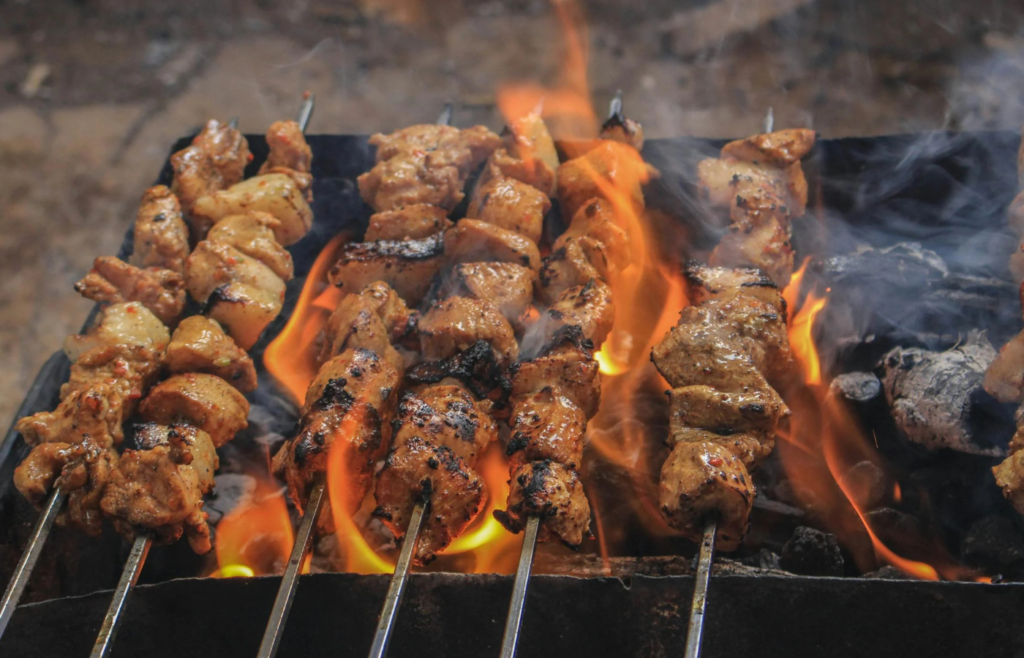
Charcoal grills are a reliable option for cooking without electricity or gas. They can grill, smoke, and even bake with the right accessories. Ensure you have sufficient charcoal stored for emergencies.
Exploring these alternative cooking methods can enhance your preparedness for situations without power or gas. Always prioritize safety, especially regarding ventilation and fire hazards, and practice these techniques to become proficient before an emergency arises.
Read More: Top 10 Reasons More People Are Quietly Becoming Preppers