
High above our heads, rivers of fast-moving air swirl across the globe. These are the jet streams. They might be out of sight, but they’re never out of influence.
Jet streams steer storms, push cold fronts, and even decide when it rains or snows in your hometown. Here are ten ways these powerful air currents shape your daily forecast.
1. They Steer Storms
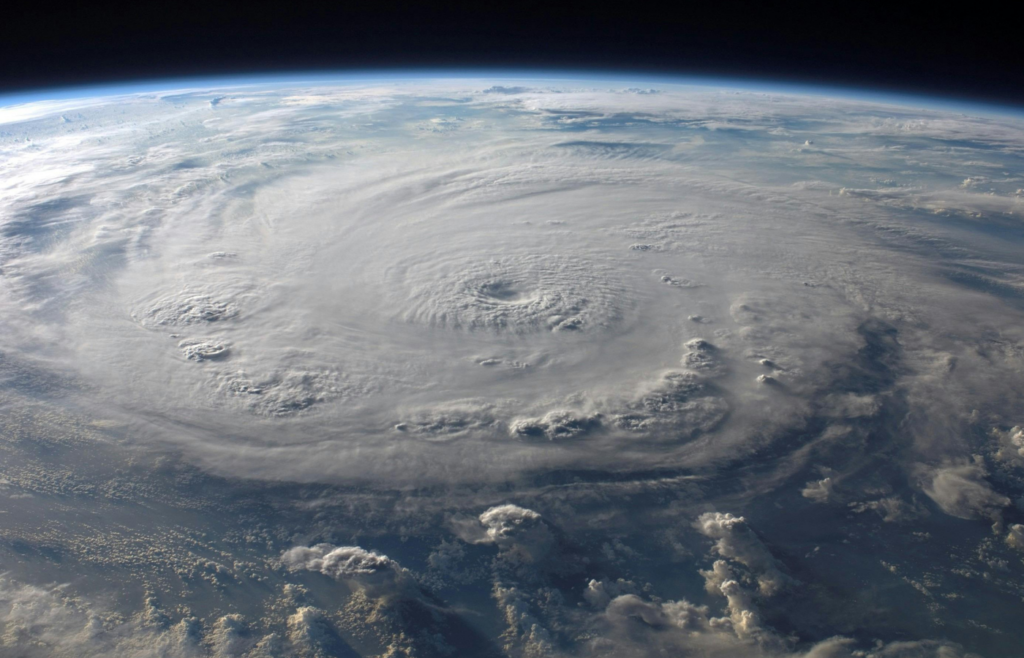
Jet streams act like a racetrack for weather systems. Storms follow their path, moving along wherever the jet leads them.
If the jet stream dips south, it can pull storms down with it. If it zips straight across, storms tend to move fast and stay in line.
2. They Decide Who Gets Cold Air
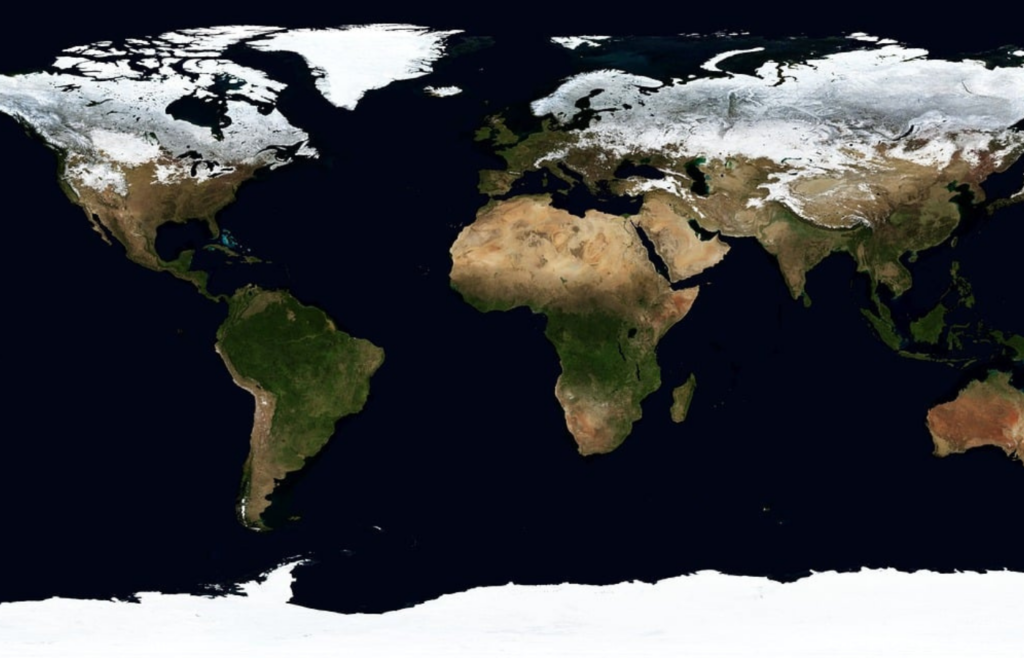
The jet stream separates cold polar air from warm tropical air. When it dips low, it brings cold snaps to places that usually stay mild.
That’s why Texas can suddenly freeze or Florida might need jackets in January. A southern dip in the jet acts like a cold air express lane.
3. They Block or Stall Weather Systems
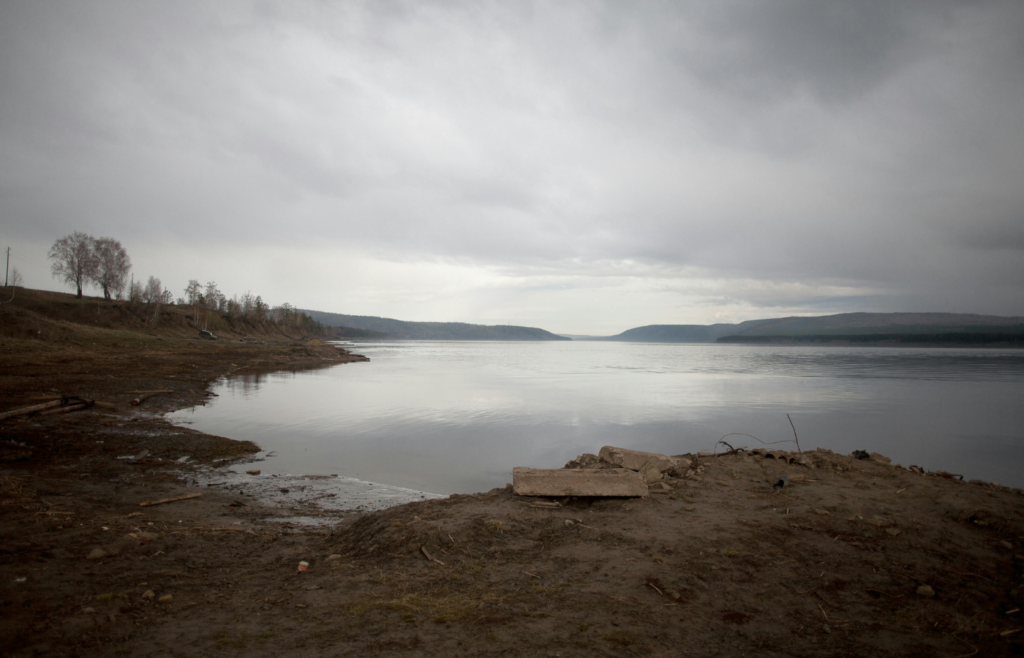
Sometimes the jet stream gets stuck. It bends into a loop and stays there for days or weeks. This is called a blocking pattern.
When that happens, weather systems don’t move much. One place might get drenched in rain, while another stays bone dry.
4. They Influence Heat Waves
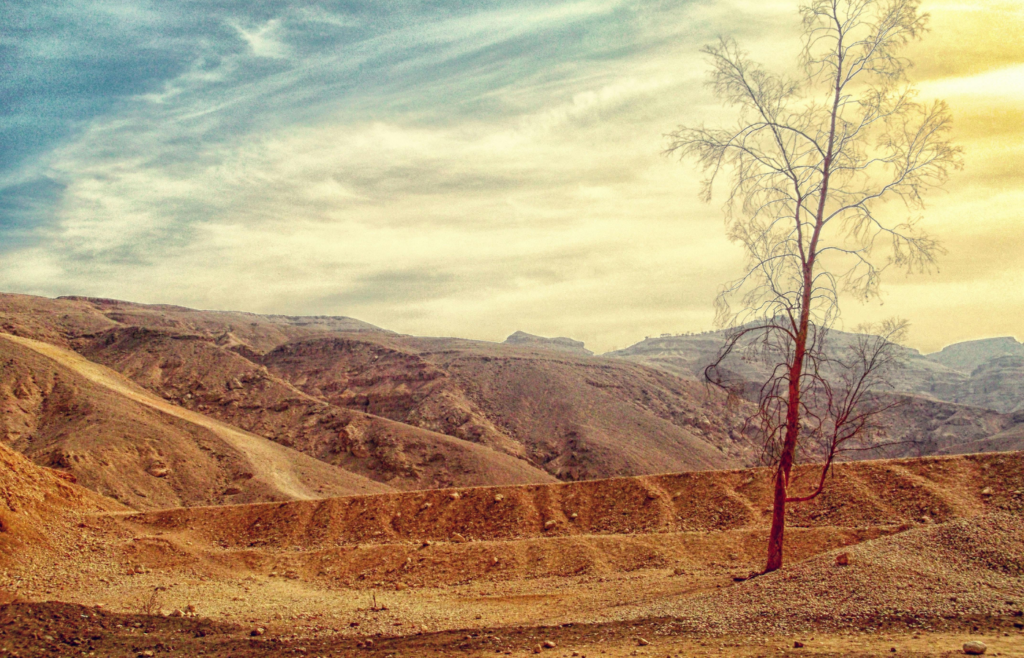
When the jet stream shifts north, it lets hot air build up underneath. That can lead to long-lasting heat waves, especially in summer.
These ridges of high pressure trap heat near the surface and block cooling storms. It’s like putting a lid on a boiling pot.
5. They Affect Severe Weather
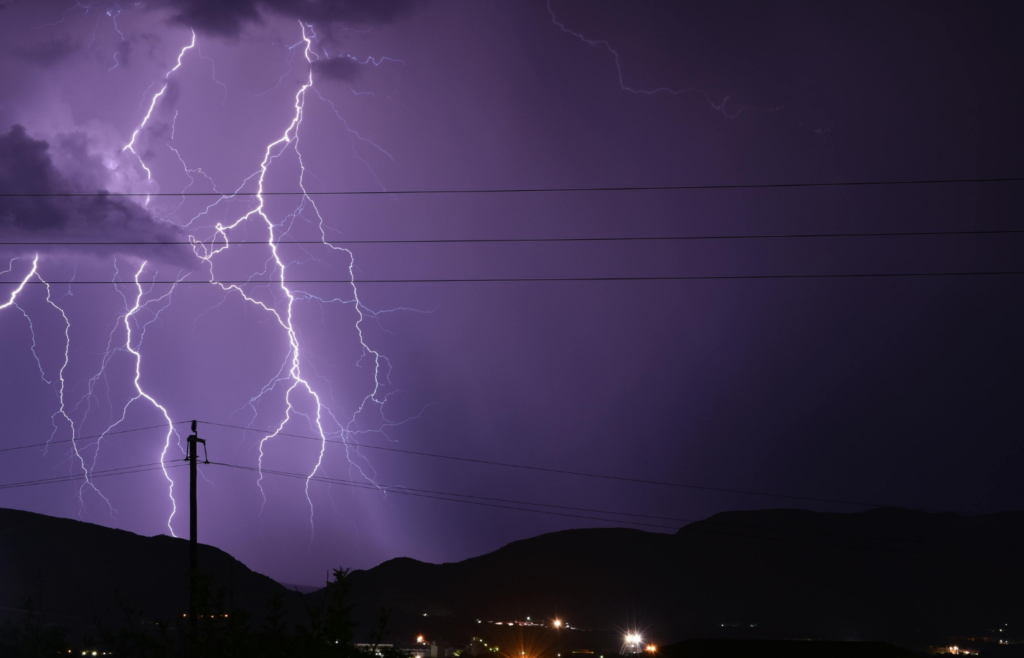
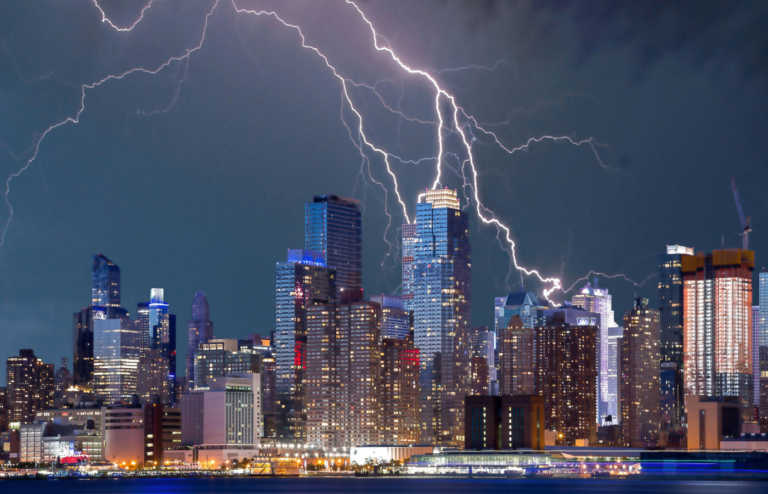
Strong jet streams can add energy to thunderstorms. They help fuel supercells, the giant storm systems that produce tornadoes, hail, and damaging winds.
If the jet is active over an area with warm, moist air, the setup for severe weather becomes much more likely.
6. They Shape Rainfall Patterns
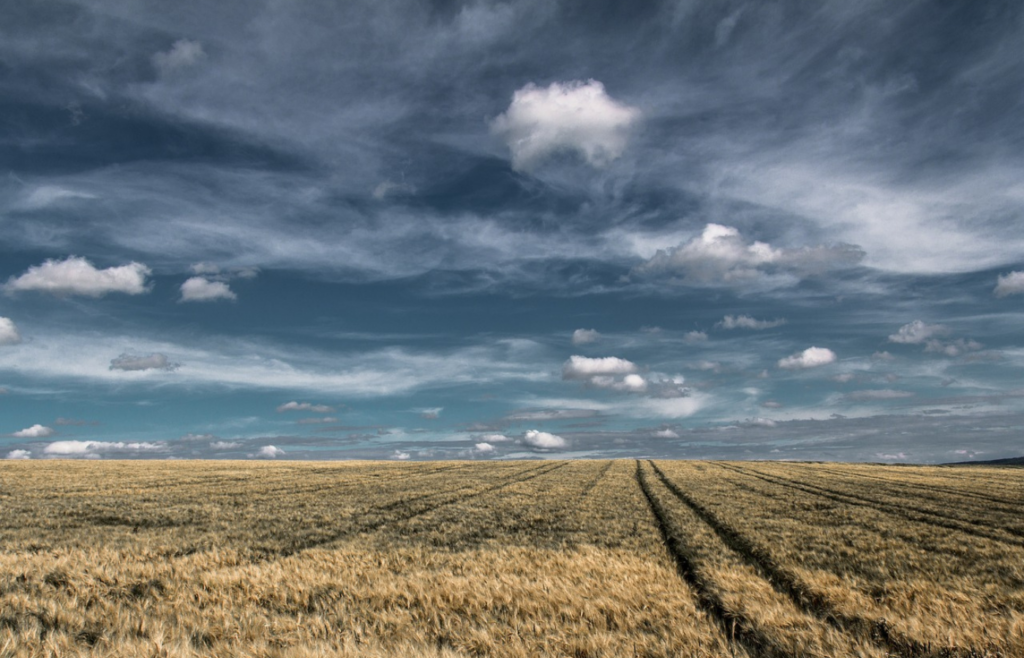
Jet streams guide rain-bearing systems. If they’re flowing right over your area, you’re likely to see wet weather. If they’re too far north or south, storms might miss you entirely.
Shifts in the jet stream can turn a normally dry region soggy—or leave a rainy area parched.
7. They Influence Snowfall
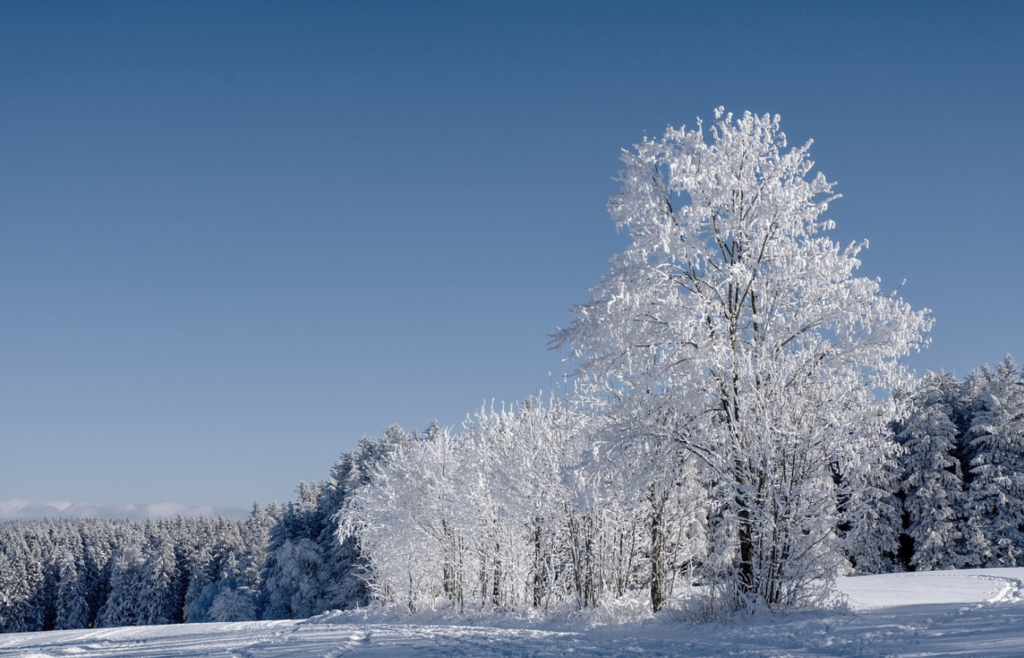
To get snow, you need cold air and moisture. The jet stream helps line up both. It brings in cold from the north and lifts moist air from the south.
If the jet dips in the right spot, it sets the stage for major snowstorms—even in areas that don’t usually get much snow.
8. They Affect Air Travel
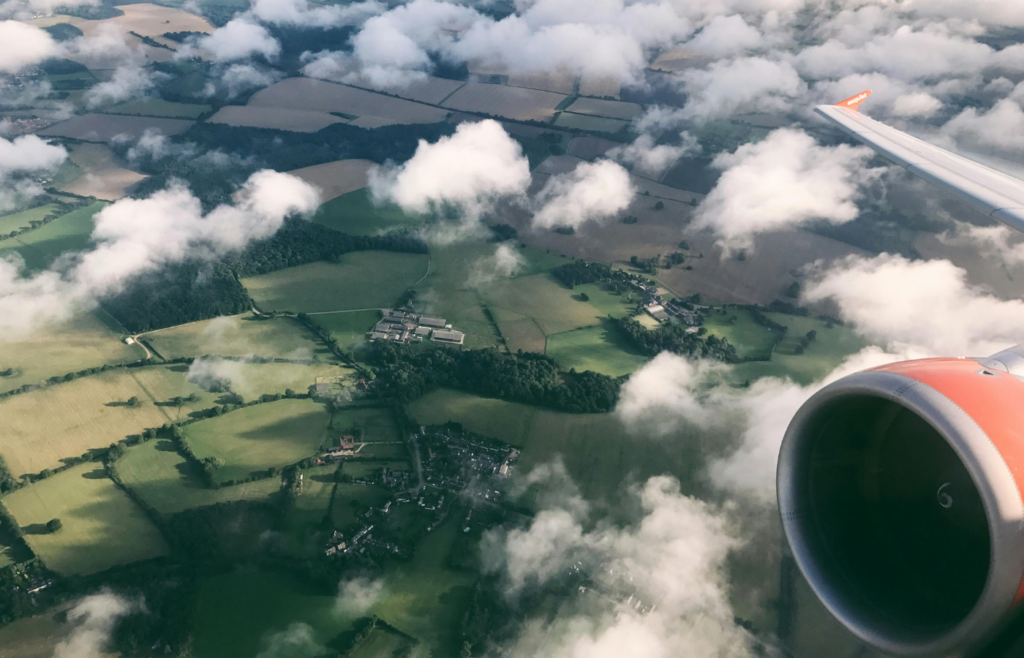
Pilots love the jet stream when it pushes them forward. Flights heading east often ride the jet to save time and fuel.
But flying against the jet stream can mean longer travel times and bumpier skies. The jet’s speed and position play a big role in your arrival time.
Read More: Top 10 Weather Phenomena That Science Still Doesn’t Fully Understand
9. They Can Spark Sudden Weather Changes
The jet stream moves fast—and so do the weather changes it brings. One day can be sunny and calm, the next windy and cold, all because the jet has shifted.
Its movement can flip a forecast quickly, especially during seasonal transitions like spring and fall.
Read More: Never Do These 10 Things During a Thunderstorm
10. They Respond to Climate Change
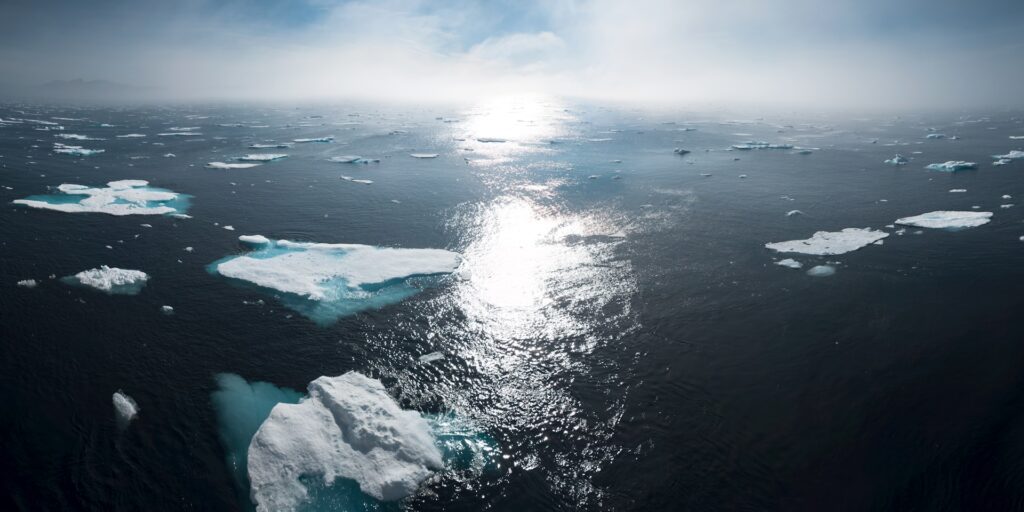
Scientists are watching the jet stream closely as the planet warms. There’s evidence it’s becoming more wavy and unpredictable due to Arctic warming.
A slower, wobblier jet stream may mean more extreme weather—like longer droughts, bigger floods, and colder cold snaps. Understanding it could be key to preparing for the future.
So even though the jet stream is way up high, it plays a huge role in the weather you feel every day. It’s the sky’s invisible hand—always moving, always shaping what comes next.
Read More: 15 Smartest Ways to Prepare for a Hurricane Before It Hits