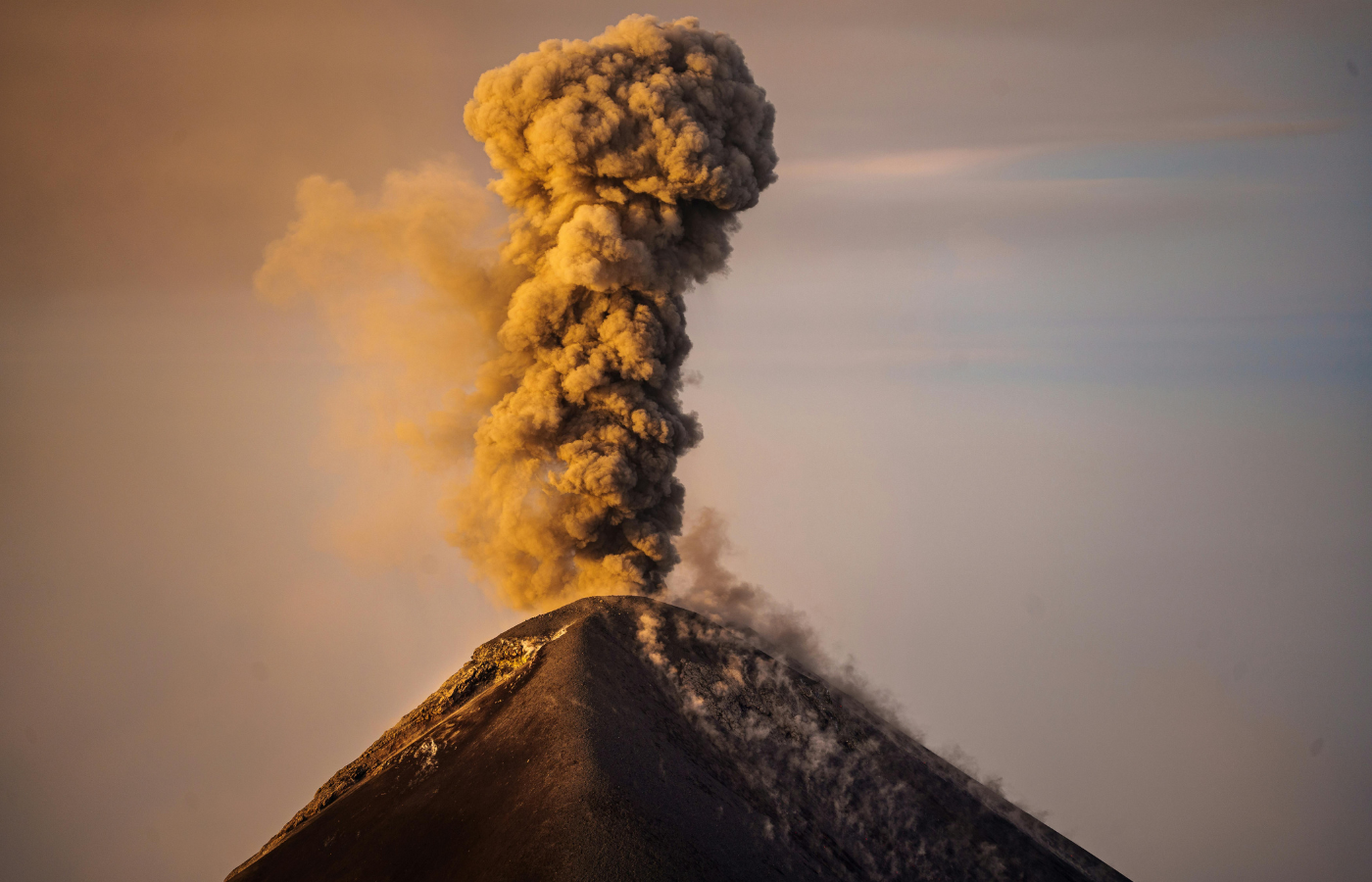
Volcanic eruptions have significantly impacted human civilization by altering climates, destroying cities, and reshaping societies. Their effects, such as crop failures and famine, were often felt far beyond the eruption site.
Notable eruptions like Mount Vesuvius in 79 AD and Mount Tambora in 1815 have left lasting marks on history, affecting weather patterns and social stability, and reshaping human development.
1. Mount Vesuvius, Italy (79 AD)
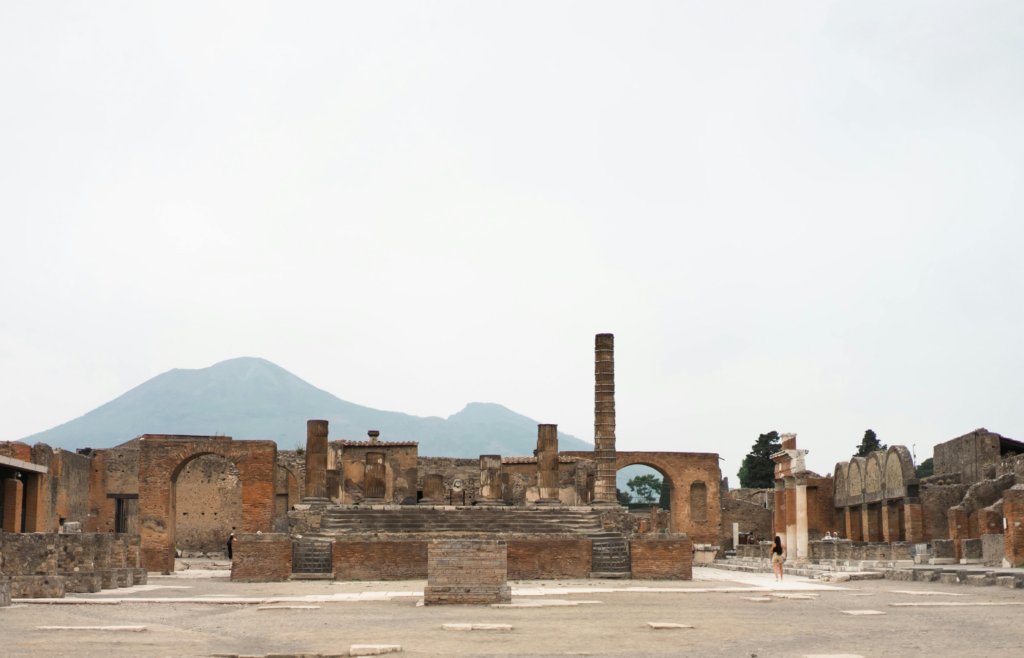
In 79 AD, Mount Vesuvius erupted, burying the Roman cities of Pompeii and Herculaneum under ash and pumice. The eruption preserved the cities, offering modern archaeologists invaluable insights into daily life in ancient Rome.
2. Laki, Iceland (1783–1784)
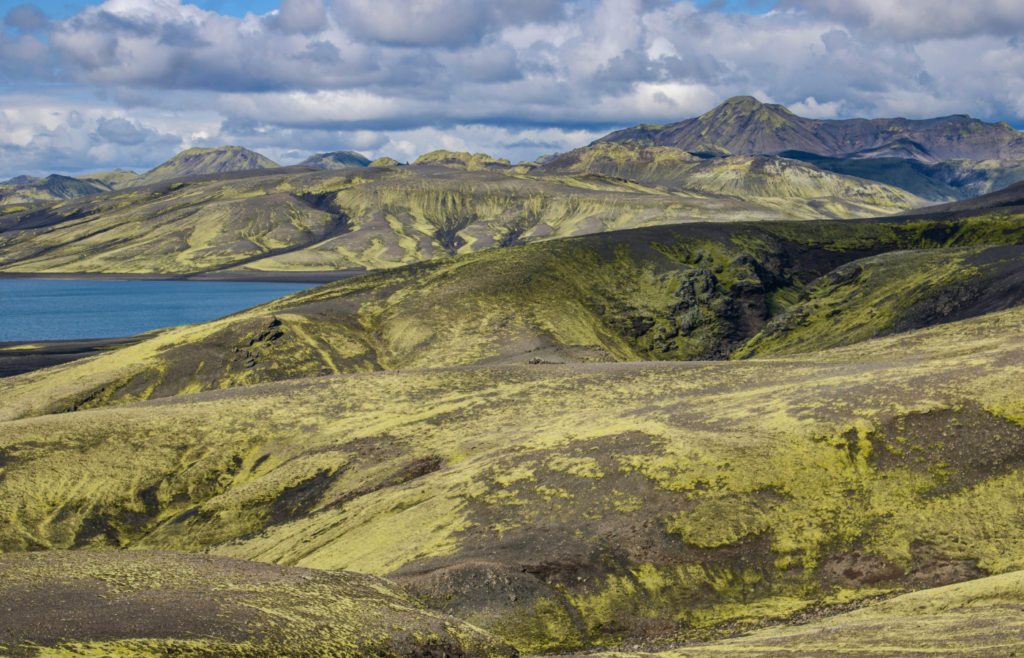
The 1783 Laki fissure eruption released massive amounts of lava and toxic gases over eight months, causing a devastating famine in Iceland that claimed 25% of its population. The eruption also had global effects, triggering climatic anomalies and crop failures as far as Europe and India.
3. Mount Tambora, Indonesia (1815)
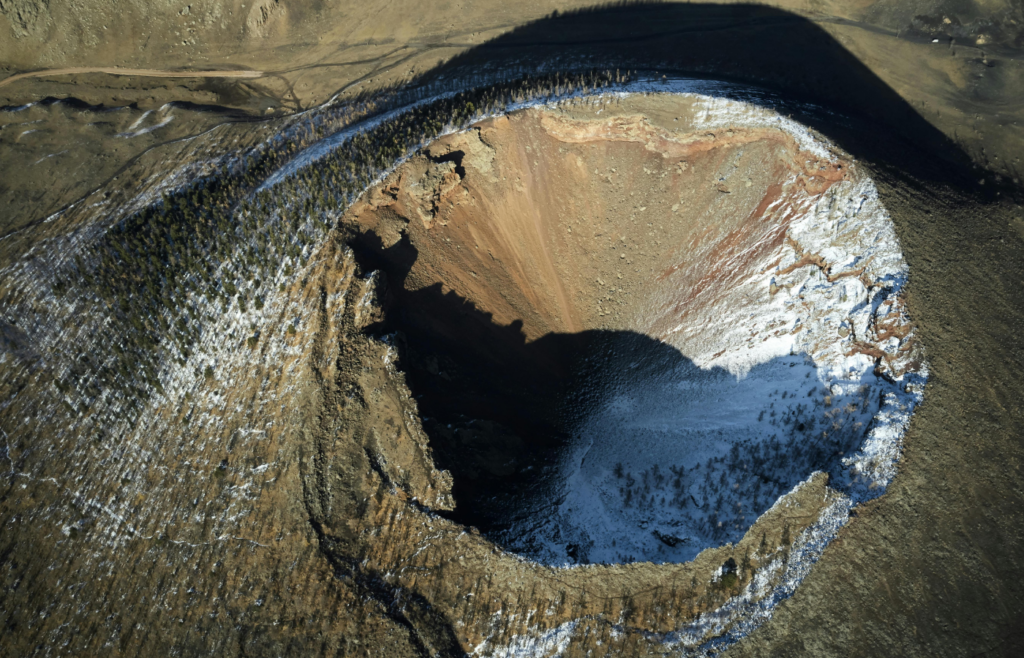
Mount Tambora’s 1815 eruption is the largest recorded in history, releasing vast amounts of volcanic material into the atmosphere. This caused the “Year Without a Summer” in 1816, leading to global crop failures and famines that severely impacted societies in North America and Europe.
4. Krakatoa, Indonesia (1883)
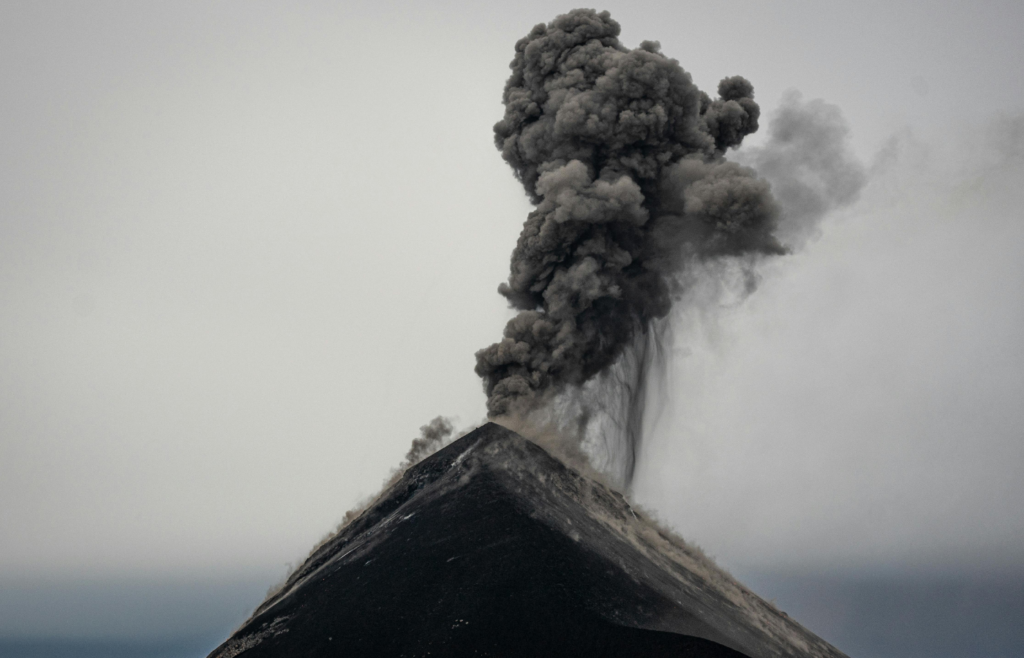
The 1883 eruption of Krakatoa was one of the most violent in history, with explosions heard thousands of miles away. The eruption and tsunamis caused over 36,000 deaths and led to lasting climatic effects, including striking sunsets observed worldwide.
5. Mount Pelée, Martinique (1902)

In 1902, Mount Pelée erupted violently, releasing a pyroclastic flow that obliterated the town of Saint-Pierre and killed nearly all 28,000 residents. The disaster spurred major advancements in volcanic research and early warning systems.
6. Novarupta, Alaska, USA (1912)
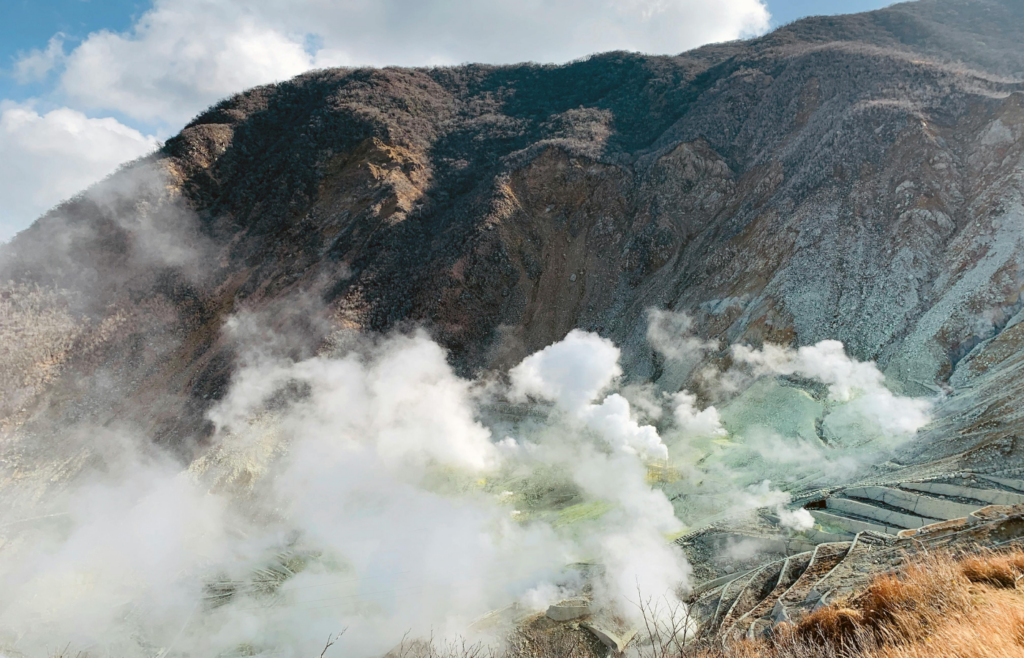
The 1912 Novarupta eruption was the largest volcanic event of the 20th century, creating Alaska’s Valley of Ten Thousand Smokes. Its remote location minimized human casualties, but the eruption played a major role in advancing volcanic science and monitoring.
7. Mount St. Helens, USA (1980)
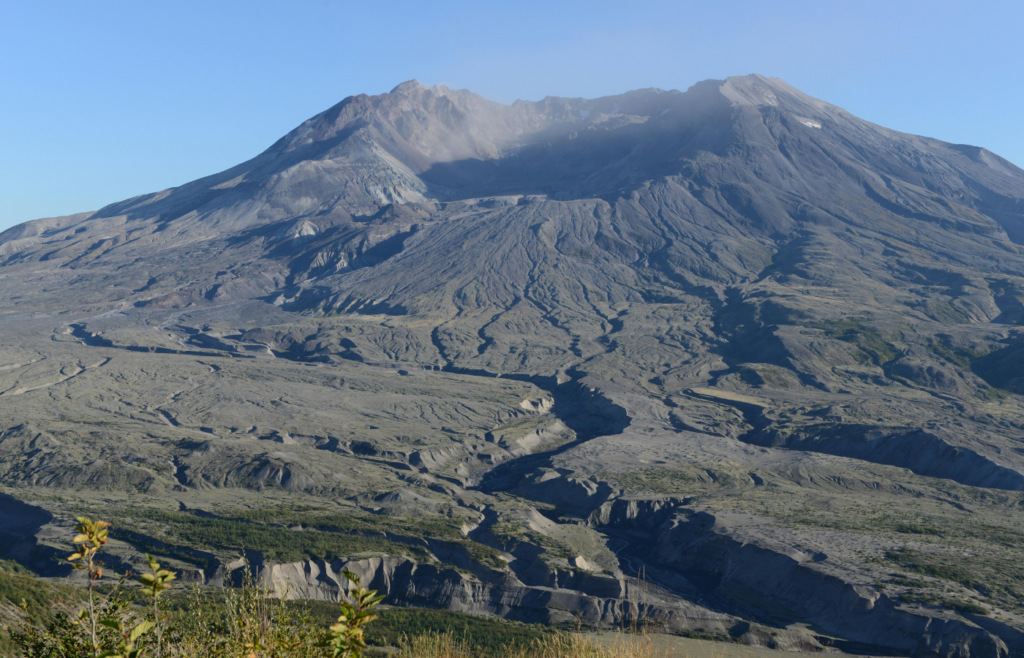
The 1980 eruption of Mount St. Helens was a landmark event, marked by a massive landslide and powerful lateral blast. It caused 57 deaths and widespread ecological destruction, leading to major advancements in volcanic monitoring and emergency preparedness.
8. El Chichón, Mexico (1982)
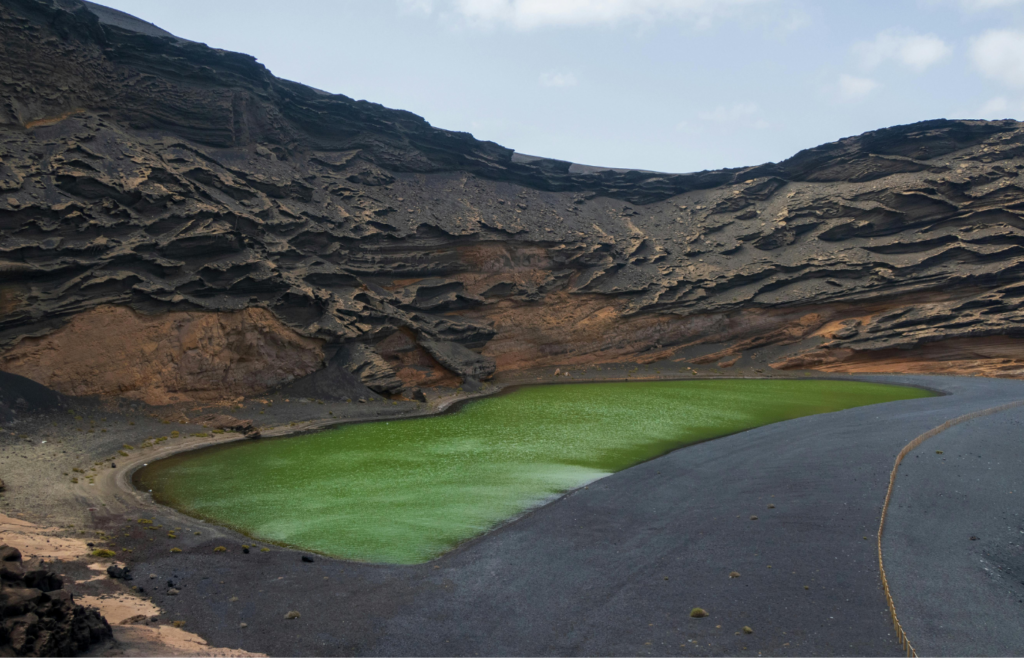
El Chichón suddenly erupted in 1982, killing at least 1,900 people and releasing large quantities of sulfur dioxide into the atmosphere. The eruption caused temporary global cooling and stressed the significance of covering dormant or overlooked tinderboxes.
Read More: 10 Coldest Places on Earth That Are Actually Inhabited
9. Mount Pinatubo, Philippines (1991)
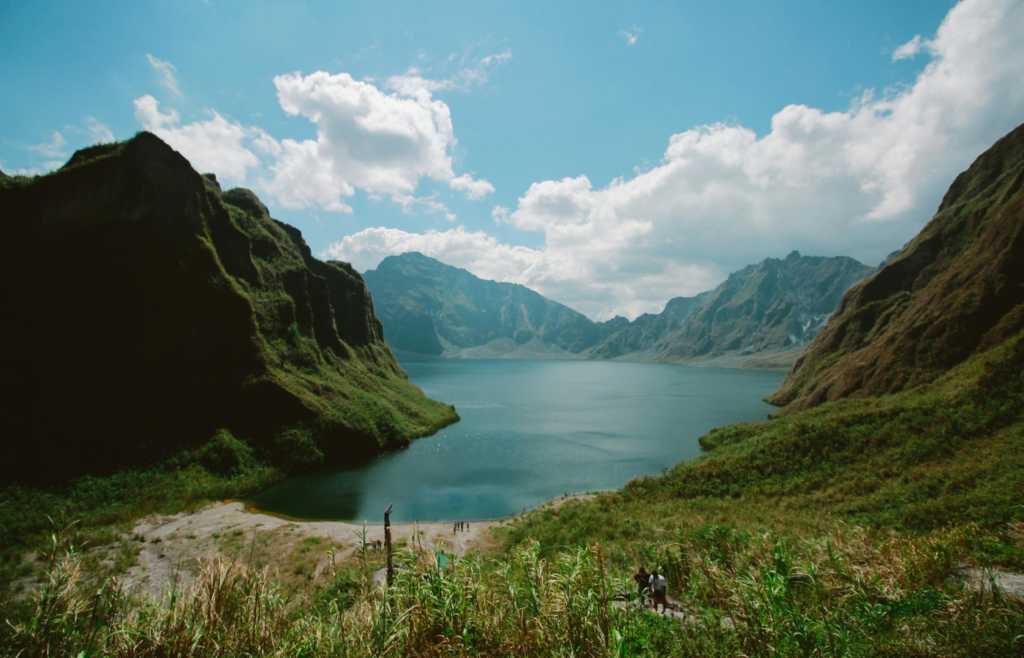
The 1991 eruption of Mount Pinatubo was the alternate-largest of the 20th century, transferring massive quantities of ash and gas into the stratosphere. It led to a temporary global temperature drop and demonstrated the life-saving power of timely evacuations.
Read More: Top 15 Wild Effects Volcanic Eruptions Have on the Planet
10. Eyjafjallajökull, Iceland (2010)
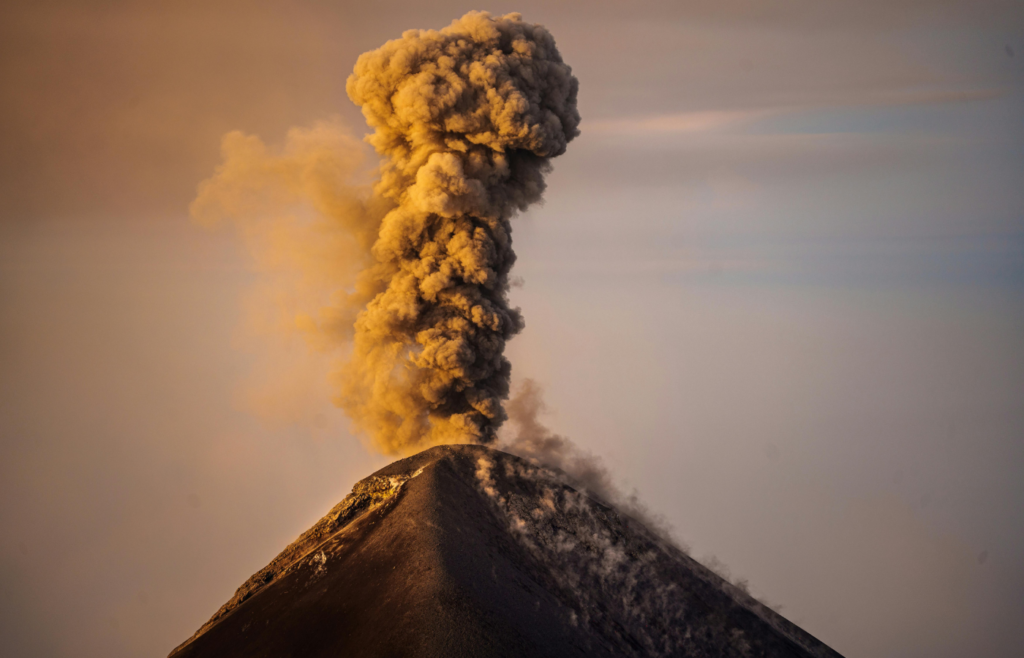
Eyjafjallajökull’s 2010 eruption was modest in size but caused massive disruption to European air travel due to its widespread ash cloud. The event highlighted how even small natural events can significantly affect global infrastructure and daily life.
These eruptions demonstrate the profound influence volcanic activity can have on human societies, economies, and the global climate. They underscore the importance of volcanic monitoring and preparedness in mitigating future risks.
Read More: Top 10 Ways Volcanoes Affect Global Weather