Trees do more than provide shade and oxygen. Plants and forests shape the weather right where we live. From cooling cities to calling in rain, greenery is an active player in the atmosphere.
Let’s look at 10 powerful ways trees and plants influence local weather systems—often without us even noticing.
1. They Cool the Air Through Transpiration
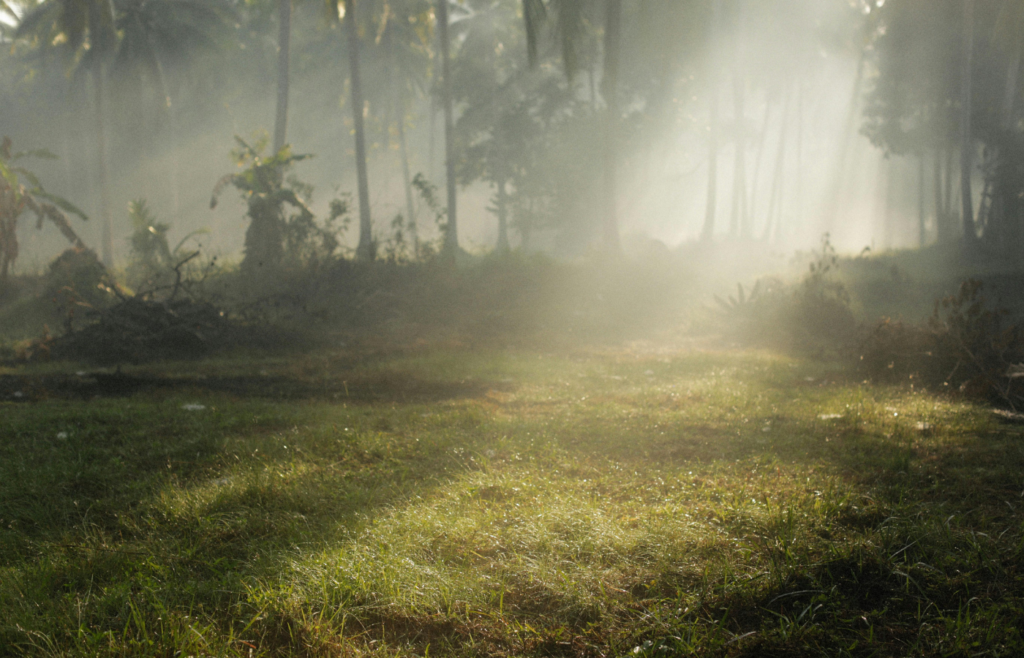
Plants “sweat” just like people do. Through a process called transpiration, they release water vapor into the air from tiny pores in their leaves.
This evaporating moisture cools the surrounding air—sometimes by several degrees. In forests or well-planted cities, this natural air-conditioning can cut the edge off summer heat.
2. They Provide Shade That Lowers Ground Temperatures
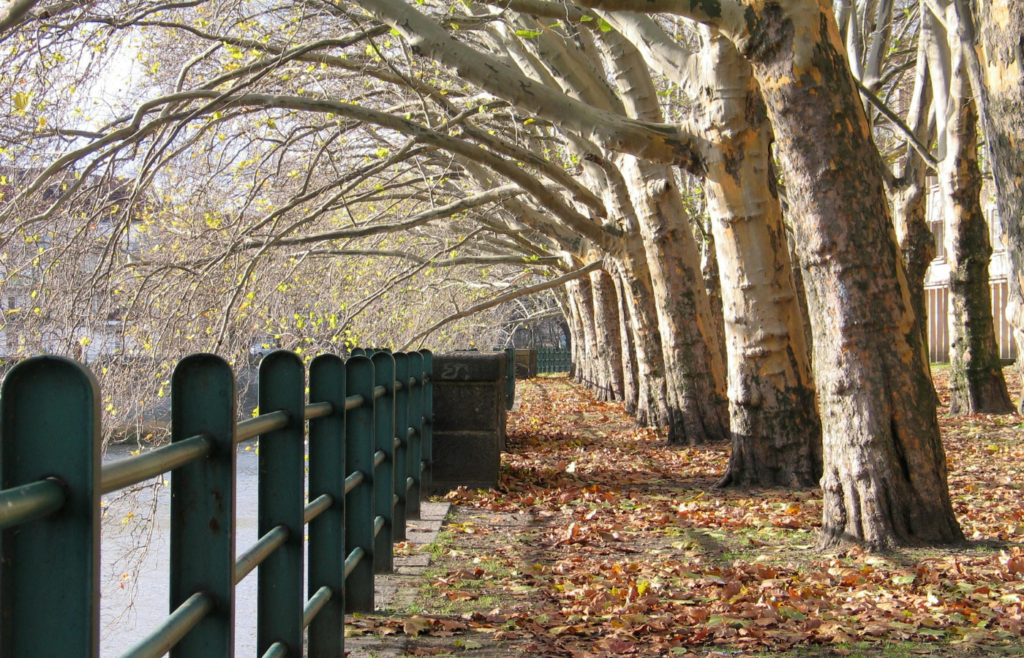
Leaves block sunlight from hitting the ground, keeping surfaces cooler. That means less heat radiating back into the atmosphere.
Shaded areas can be 10–15°F cooler than nearby sunny spots, reducing the urban heat island effect and making neighborhoods more comfortable.
3. They Add Moisture to the Atmosphere
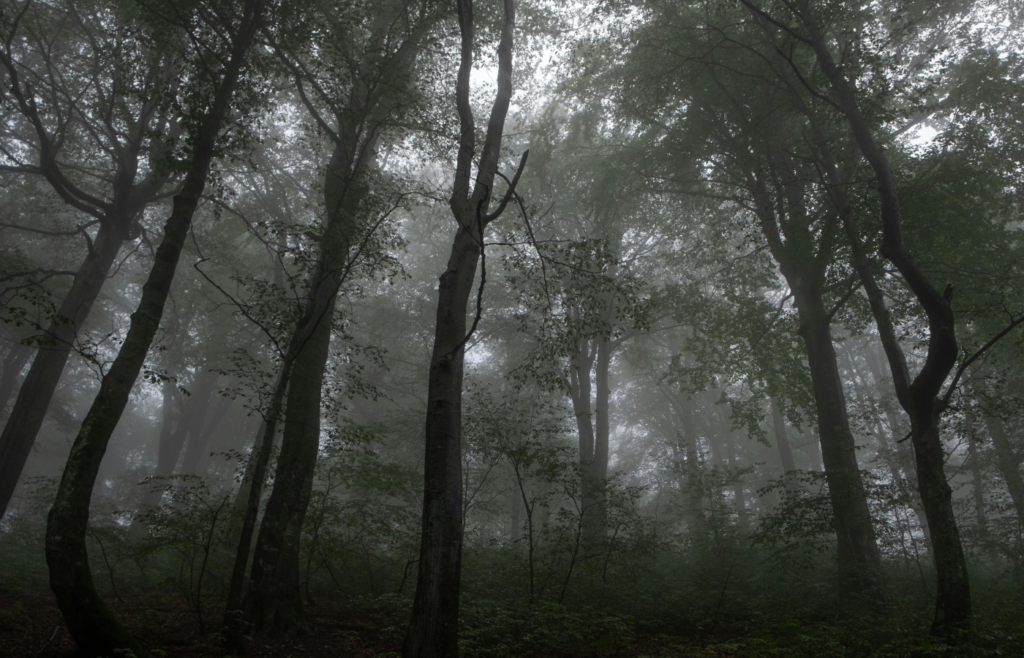
As trees and plants release water vapor, they add humidity to the air. This increases local moisture levels, which can lead to cloud formation and rain.
In places with lots of vegetation—like rainforests—this effect helps create daily rain cycles. In drier climates, more plants can slowly shift local patterns toward wetter weather.
4. They Slow Down Wind

Trees act as natural windbreaks. Their branches and leaves disrupt airflow, reducing wind speed near the ground.
This helps prevent soil erosion, keeps crops from drying out, and even reduces heating bills in winter by blocking cold gusts around buildings.
5. They Influence Local Rainfall
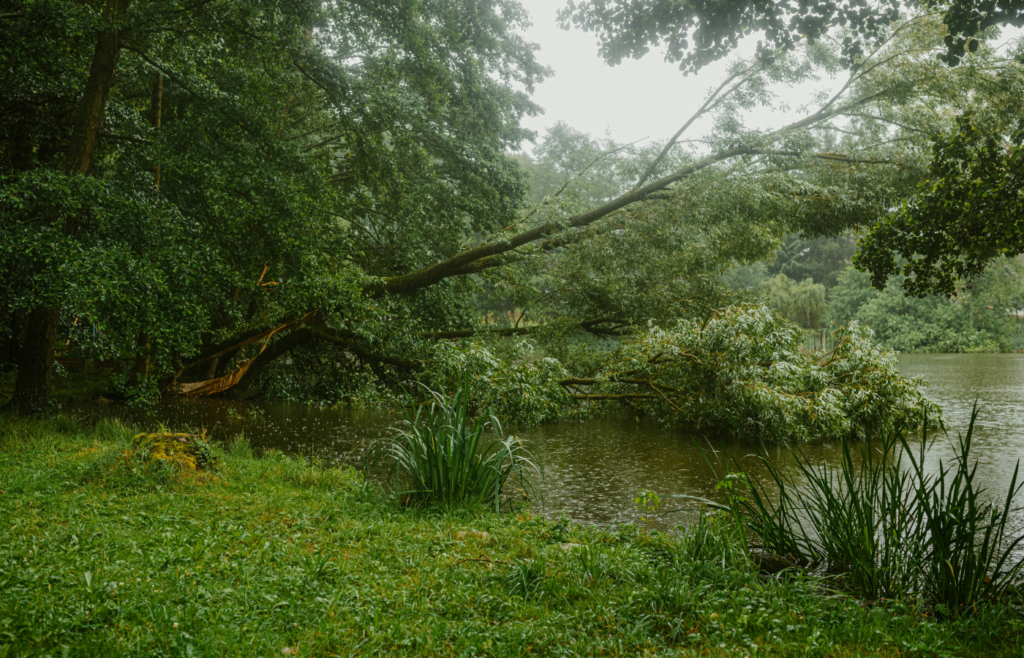
Large forests create their own rain cycles by constantly adding moisture to the air. This can attract and sustain regular rainfall over time.
The Amazon rainforest is a prime example—it generates much of its own rain. Removing too many trees can break that cycle and lead to droughts.
6. They Moderate Temperature Swings
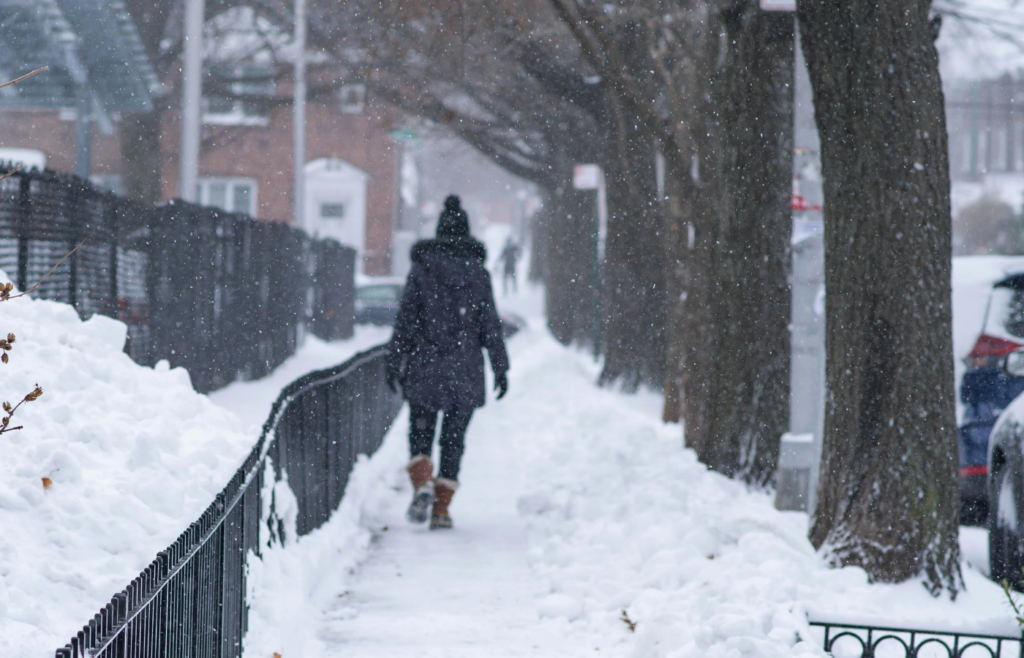
Vegetation helps balance out extreme temperatures. During the day, trees cool things down. At night, they act as insulation, holding onto some of the heat.
This creates a smoother range of temperatures between day and night—important for wildlife, crops, and human comfort.
7. They Reduce Air Pollution That Affects Weather
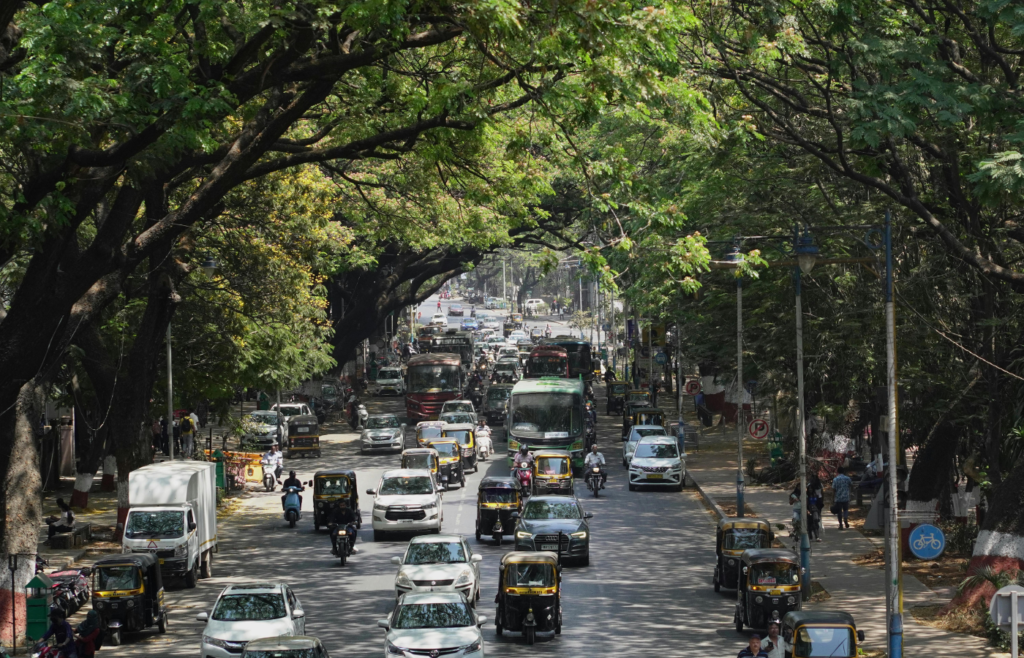
Leaves act like filters, capturing dust, pollen, and pollutants. This clears the air, which can help stabilize local weather patterns—especially in cities where smog can trap heat.
Cleaner air also allows more sunlight to reach the surface, which can influence temperature and cloud formation.
8. They Affect Cloud Formation

The moisture trees release into the air can rise, cool, and condense into clouds. Forested regions often have more cloud cover as a result.
These clouds reflect sunlight and may help regulate temperatures, making forests cloudier—and cooler—than nearby areas without trees.
Read More: Top 10 Weather Phenomena That Science Still Doesn’t Fully Understand
9. They Change Soil Moisture and Temperature
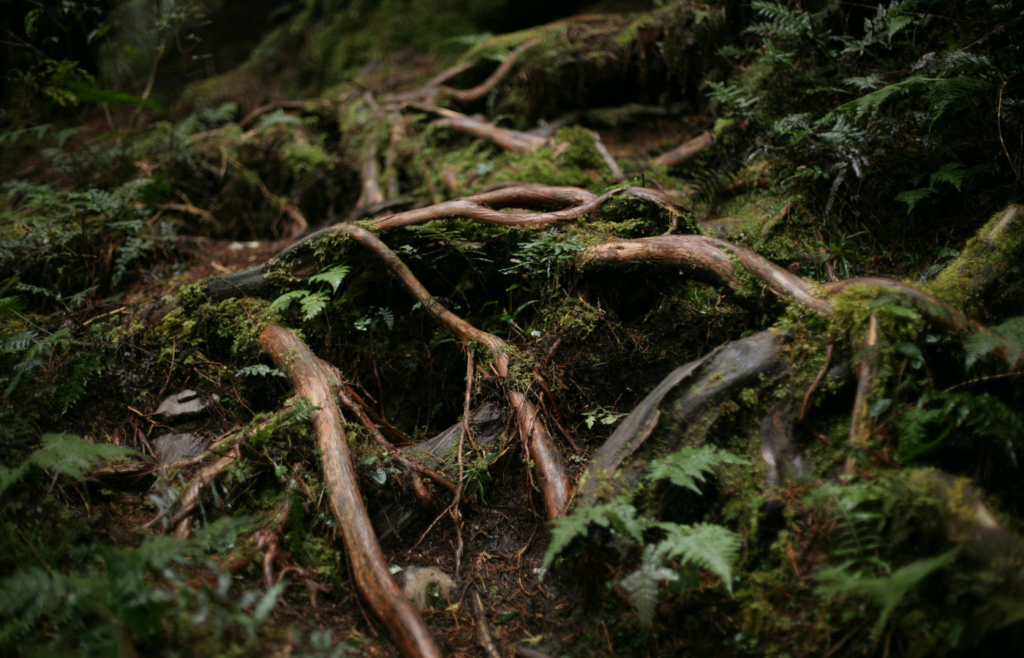
Plant roots hold water in the ground and prevent it from evaporating too quickly. Shaded soil stays cooler and more stable.
That consistent soil moisture affects evaporation rates, which in turn affects local humidity and temperature—feeding back into the weather system.
Read More: Never Do These 10 Things During a Thunderstorm
10. They Can Shift Local Climate Over Time
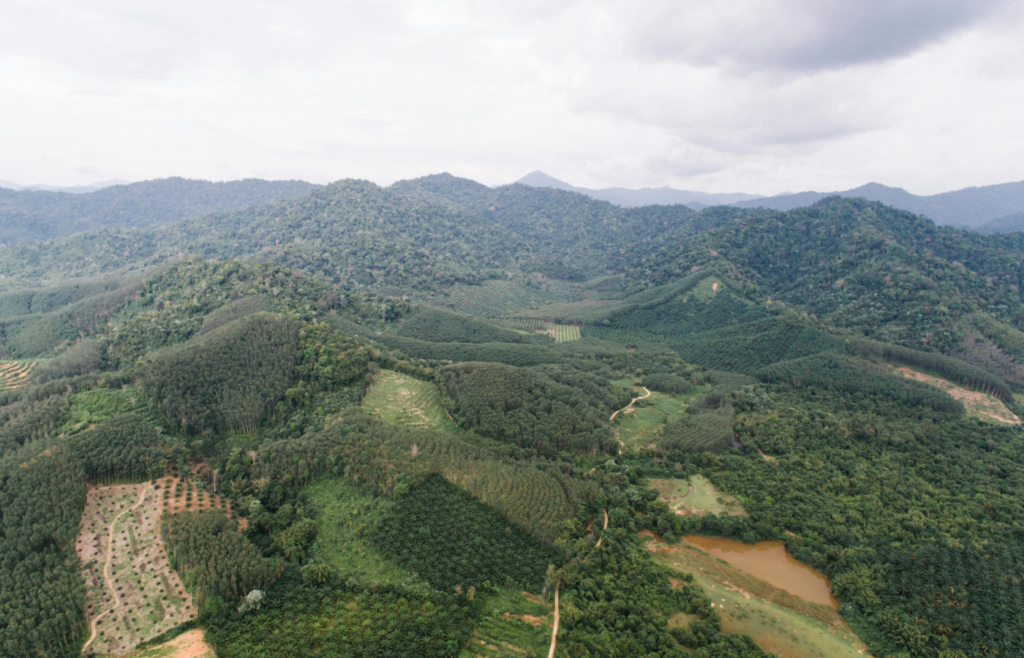
Over the long term, widespread planting (or removal) of trees can actually shift the local climate. More trees generally mean cooler, wetter, and more stable weather.
That’s why reforestation projects don’t just help the planet—they change the feel of the air, the frequency of rain, and the health of local ecosystems.
Trees may look quiet and still, but they’re busy shaping the sky above. Plant enough of them, and the weather starts to listen.
Read More: 15 Smartest Ways to Prepare for a Hurricane Before It Hits