
Rustling for wild edibles can be a satisfying way to connect with nature and discover nutritional foods. Beyond the generally known wild edibles, numerous overlooked species offer unique flavors and health benefits.
Then are 10 wild foods that most people overlook:
1. Lamb’s Quarters (Chenopodium Album)
Often considered a weed, lamb’s quarters are highly nutritious, offering vitamins A and C, calcium, and protein. The young leaves can be eaten raw in salads or cooked like spinach. This plant thrives in disturbed soils and is commonly found in gardens and along roadsides.
2. Purslane (Portulaca Oleracea)
Purslane is a succulent plant rich in omega-3 fatty acids, vitamins, and minerals. Its crisp leaves and stems have a slightly tangy flavor, making them a great addition to salads, soups, or stir-fries. Purslane grows abundantly in gardens, sidewalks, and other disturbed areas.
3. Stinging Nettle (Urtica Dioica)
Despite its prickly reputation, stinging nettle is a nutritional powerhouse. Once cooked or dried, the stinging hairs are neutralized, and the leaves can be used in teas, soups, or as a spinach substitute. Nettles are rich in iron, calcium, and protein.
4. Autumn Olive (Elaeagnus Umbellata)
Autumn olive is an invasive shrub that produces small, red berries in the fall. These berries are high in lycopene and have a sweet-tart flavor. They can be eaten fresh, made into jams, or dried for later use.
5. Cattails (Typha Species)
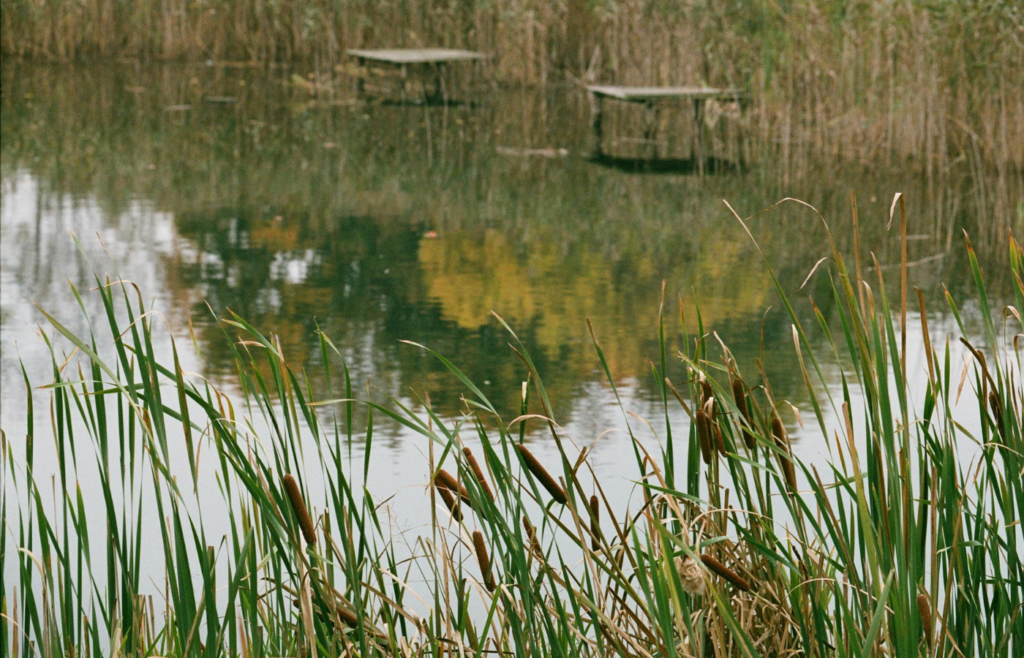
Cattails are versatile plants found in wetlands. In early spring, the young shoots, known as “cossacks,” can be eaten raw or cooked. Later in the season, the pollen can be collected and used as a flour substitute.
6. Hen of the Woods (Grifola Frondosa)
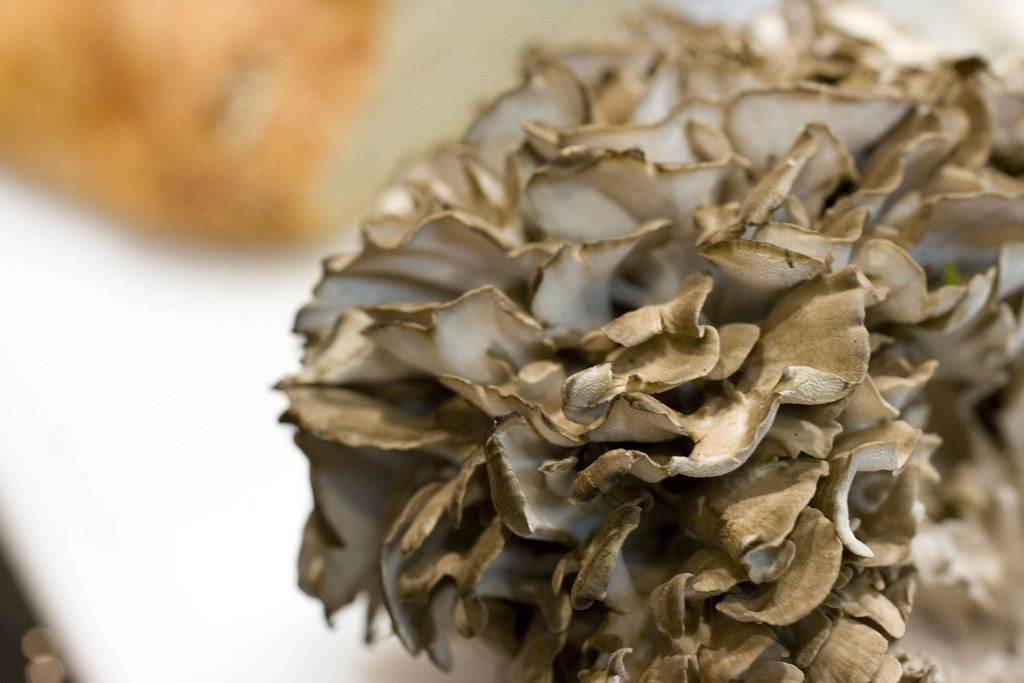
Also known as maitake, this mushroom grows at the base of oak trees in the fall. It’s highly prized for its rich flavor and medicinal properties. Hen of the woods can be sautéed, grilled, or added to soups and stews.
7. Daylily (Hemerocallis Fulva)
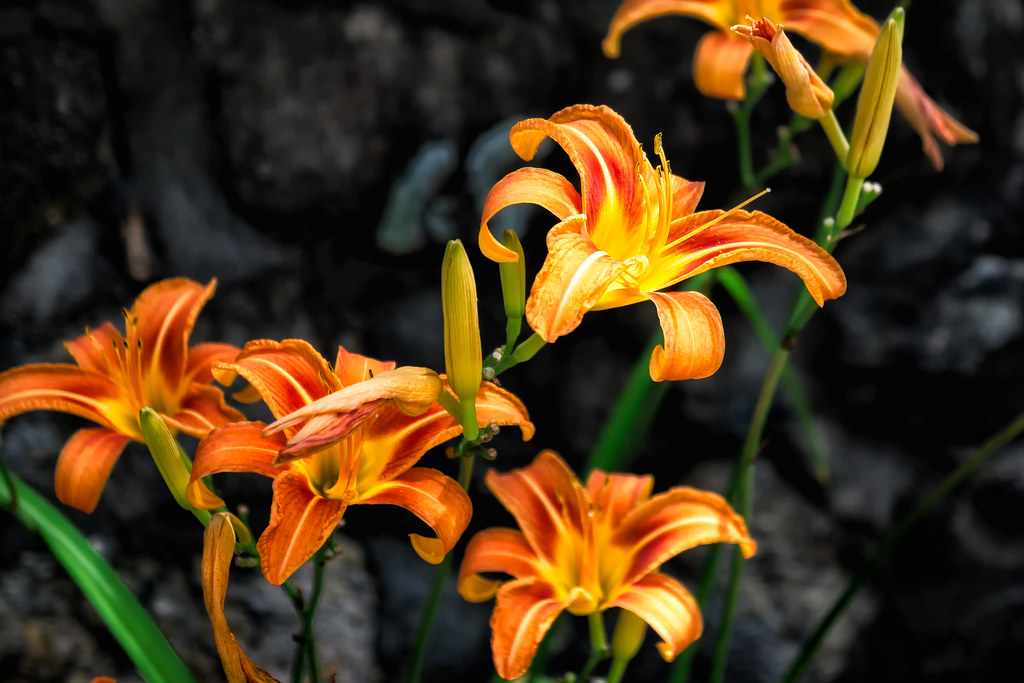
Daylilies are common ornamental plants, but their shoots, buds, flowers, and tubers are all edible. The young shoots can be used like asparagus, and the flower buds are delicious when sautéed. Ensure correct identification, as not all lilies are edible.
8. Kudzu (Pueraria Montana)
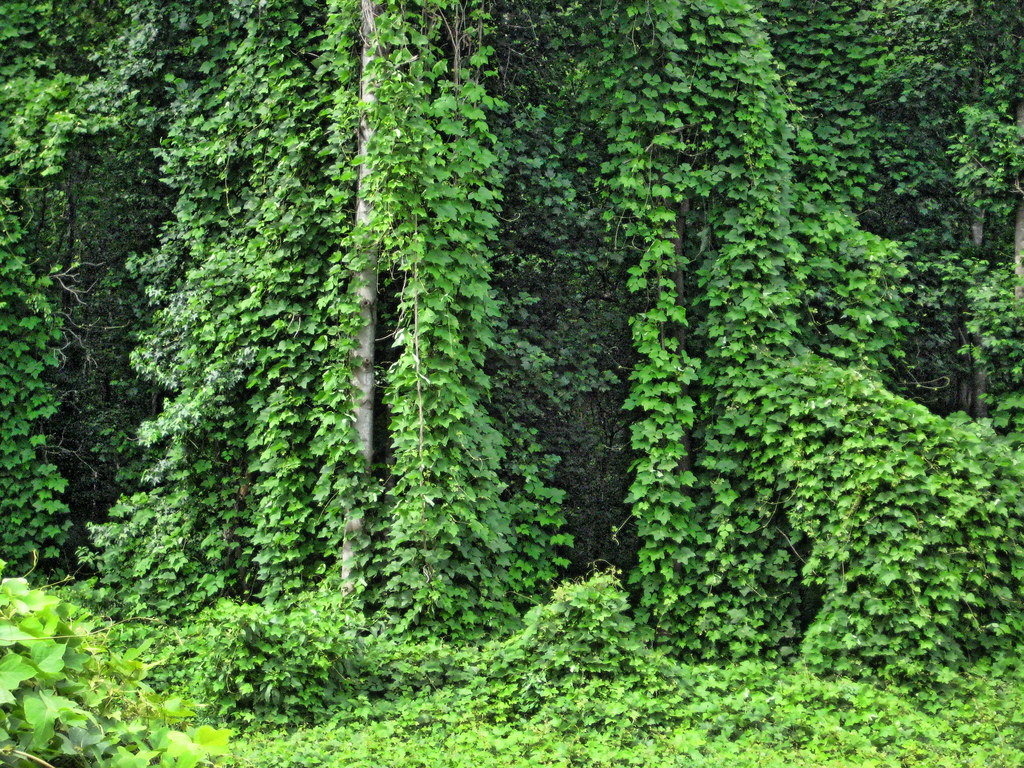
Known for its rapid growth, kudzu’s leaves, flowers, and roots are edible. The leaves can be cooked like spinach, and the flowers can be used to make jellies or fritters. The starchy roots can be processed into a thickening agent for cooking.
Read More: Top 10 Secret Spots in Your House to Store Emergency Food
9. Wood Sorrel (Oxalis Species)
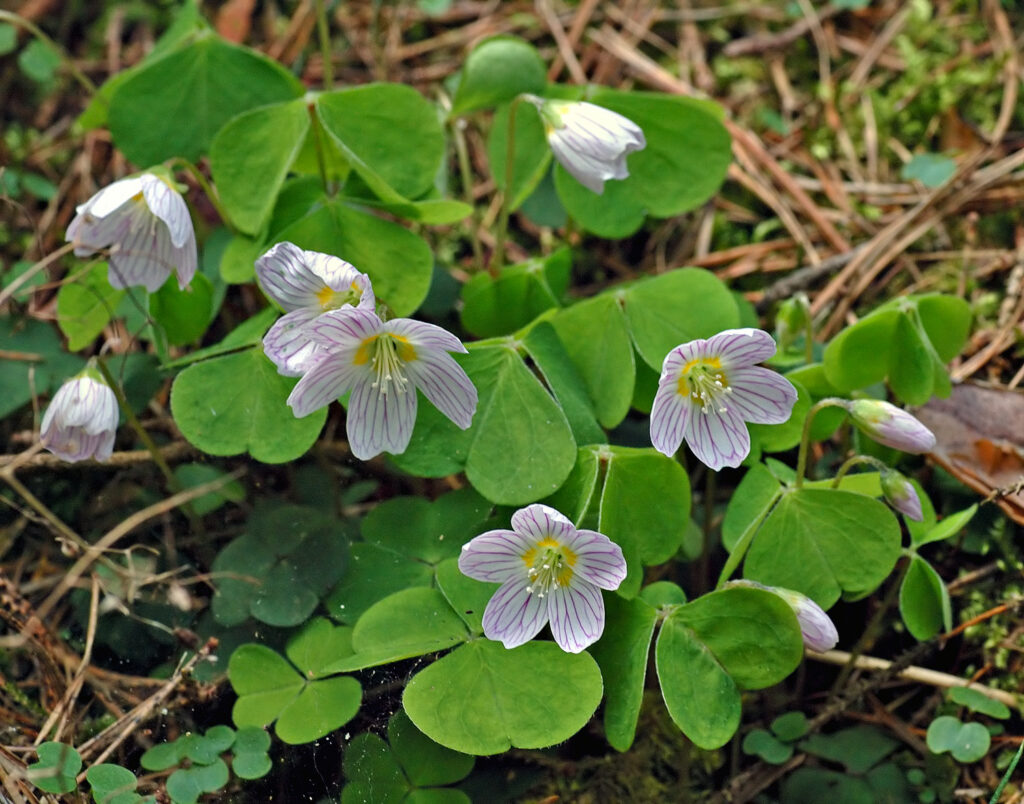
Wood sorrel has a pleasant, lemony flavor due to its oxalic acid content. The leaves, flowers, and seed pods are all edible and can add a tangy zest to salads and soups. Consume in moderation due to the oxalic acid.
Read More: Top 10 Survival Gear Items That Are Surprisingly Affordable
10. Chickweed (Stellaria Media)
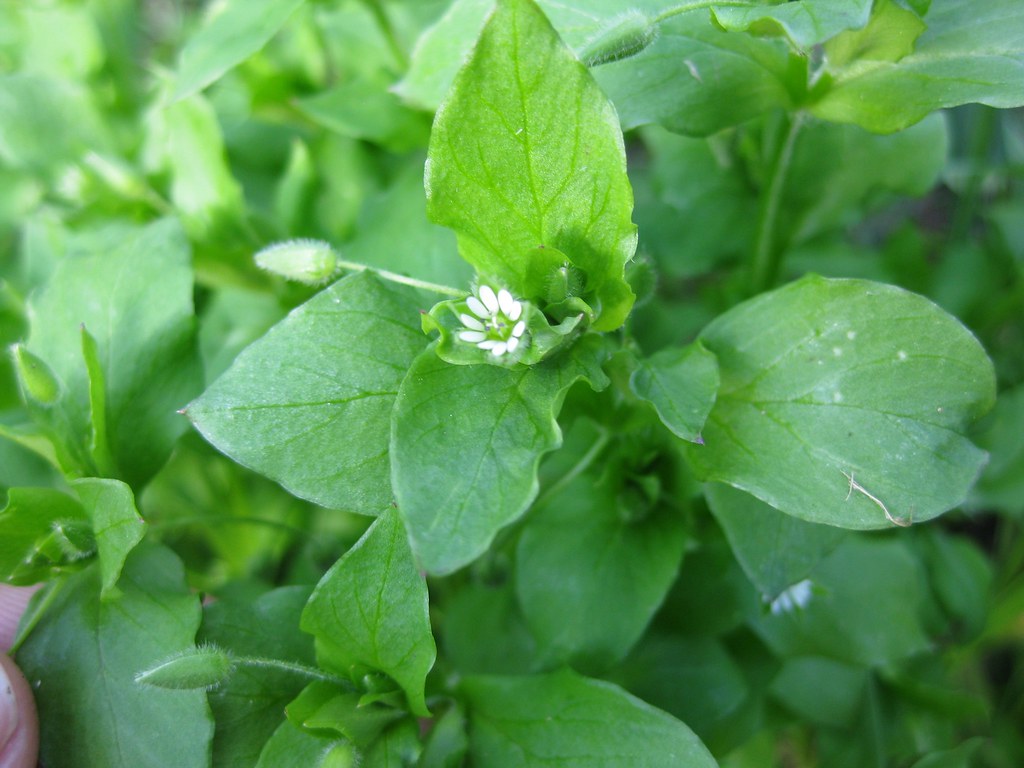
Chickweed is a low-growing plant with small white flowers. It’s rich in vitamins and minerals, and the tender leaves and stems can be eaten raw in salads or cooked as a mild green. Chickweed is often found in gardens and lawns.
When foraging, always ensure proper identification of plants, as some may have toxic look-alikes. Harvest sustainably and be mindful of local regulations. Incorporating these overlooked wild edibles into your diet can diversify your meals and connect you more deeply with the natural world.
Read More: Top 10 Reasons More People Are Quietly Becoming Preppers