

Living without running water for a week can be challenging, but with the right strategies, it’s manageable. Whether due to natural disasters, infrastructure issues, or planned outages, being prepared ensures comfort and safety during such times.
Here are 15 practical ways to manage daily life without running water for a full week. Each method focuses on resourcefulness, hygiene, and basic survival to help you stay safe and comfortable during the outage.
1. Store Adequate Drinking Water
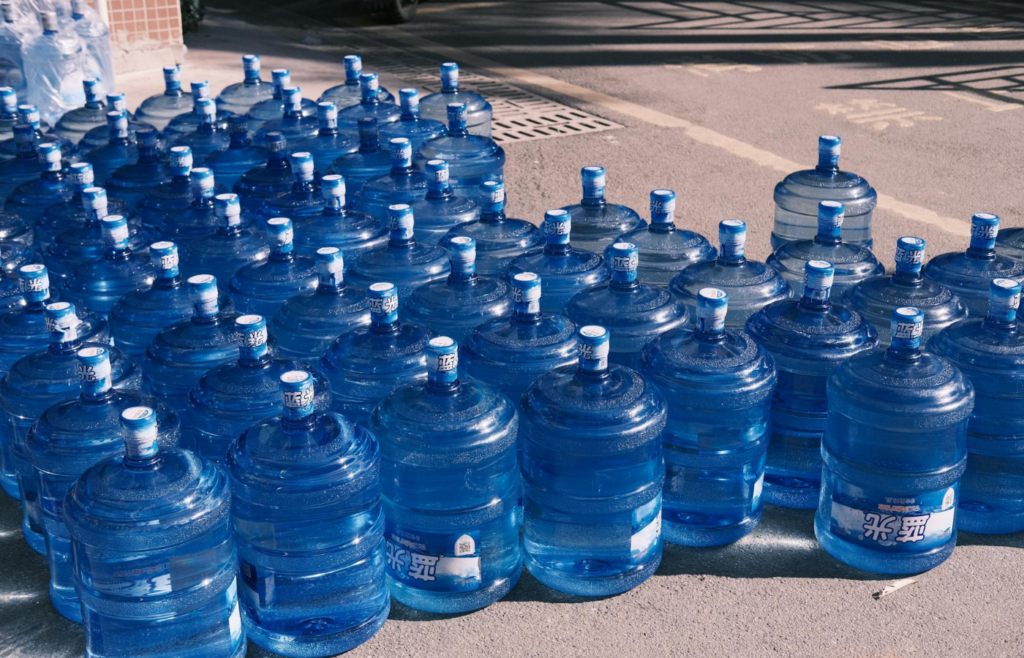
Ensure you have at least one gallon of water per person per day for drinking and sanitation. For a week, that’s seven gallons per individual. Store water in clean, food-grade containers and keep them in a cool, dark place.
2. Collect Rainwater

Set up barrels or large containers to capture rainwater from your roof. This water can be used for flushing toilets, cleaning, and, if properly treated, even drinking. Ensure containers are covered to prevent mosquito breeding.
3. Utilize Wet Wipes for Personal Hygiene

Wet wipes are a convenient alternative for bathing when water is scarce. They help maintain cleanliness and conserve your stored water supply. Opt for biodegradable wipes to minimize environmental impact.
4. Use Hand Sanitizer

Hand sanitizer effectively kills germs and reduces the need for water when washing hands. Keep bottles in key areas like the kitchen and bathroom for easy access.
5. Prepare an Emergency Toilet
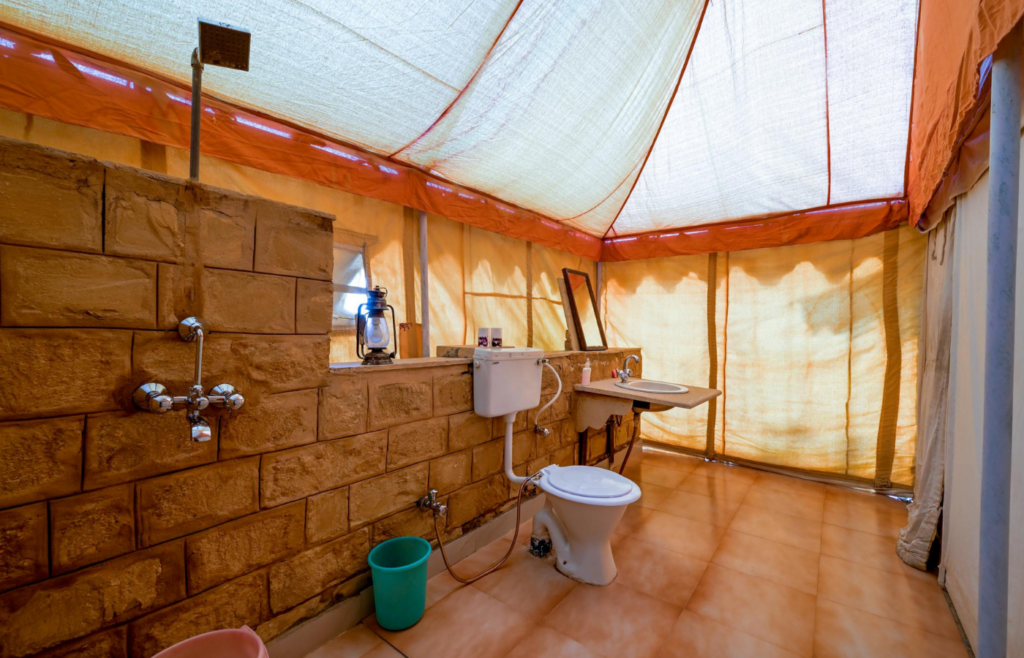
Without running water, traditional toilets won’t function properly. Create an emergency toilet using a sturdy bucket lined with a plastic bag, adding absorbent material like cat litter after each use to control odor. Proper waste management is crucial to prevent health hazards.
6. Stock Up on Disposable Tableware

Using disposable plates, cups, and utensils minimizes the need for washing dishes, conserving your limited water supply. Choose eco-friendly options to reduce environmental impact.
7. Plan Simple, No-Cook Meals
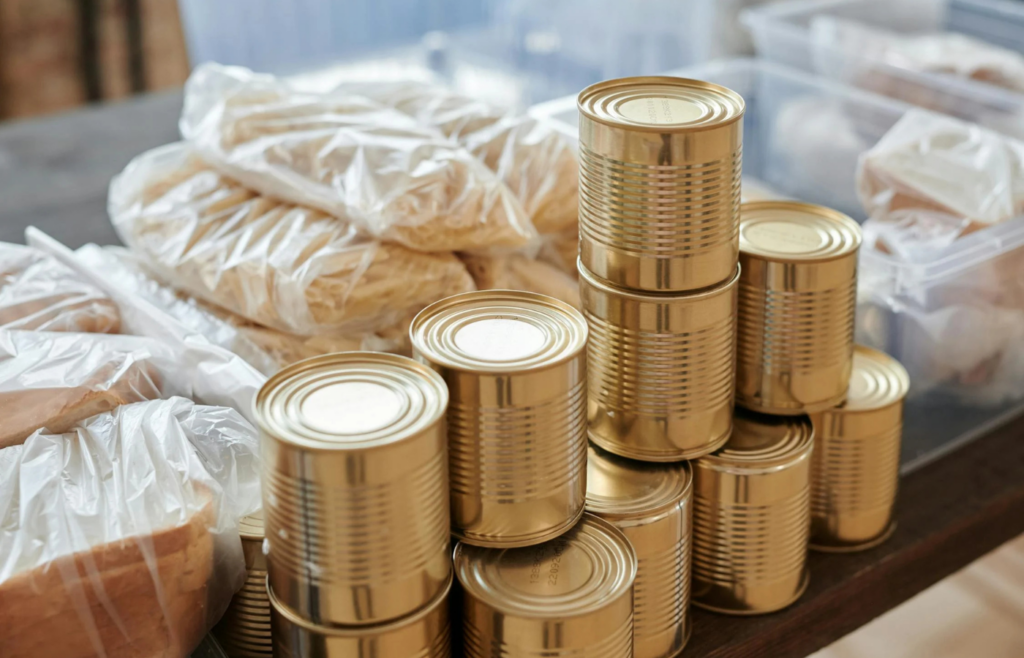
Opt for meals that don’t require cooking or extensive preparation, such as canned soups, sandwiches, and ready-to-eat snacks. This approach reduces the need for water in cooking and cleaning.
Read More: Top 15 Mental Habits of People Who Survive Anything
8. Use Dry Shampoo
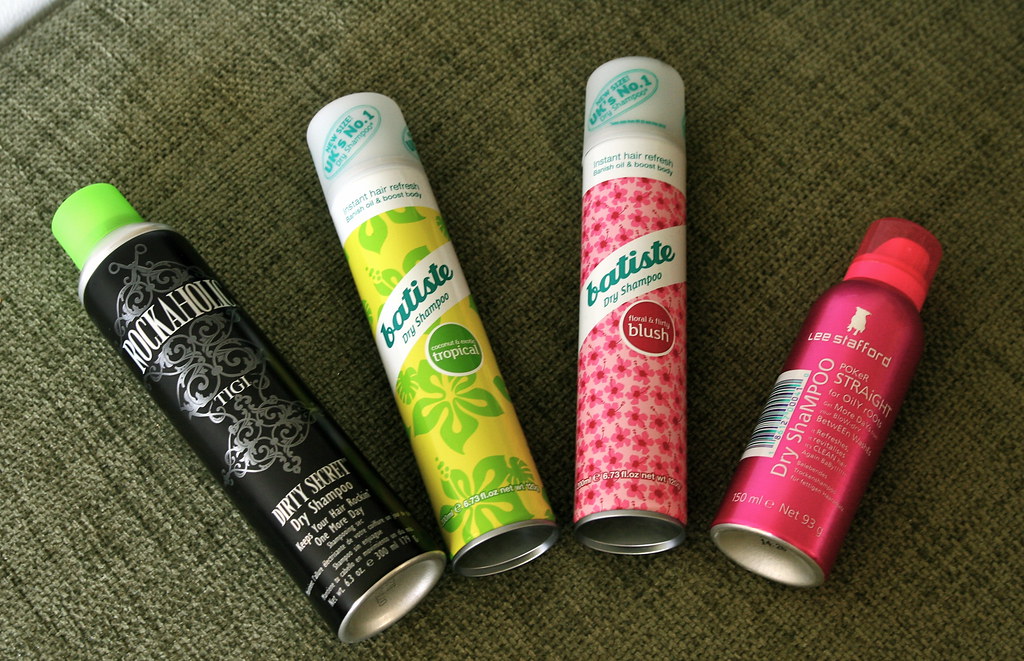
Dry shampoo absorbs excess oil and refreshes hair without the need for water. It’s a practical solution to maintain hygiene during water outages.
Read More: Top 10 Mind Tricks That Help You Stay Calm in Chaos
9. Melt Snow for Water
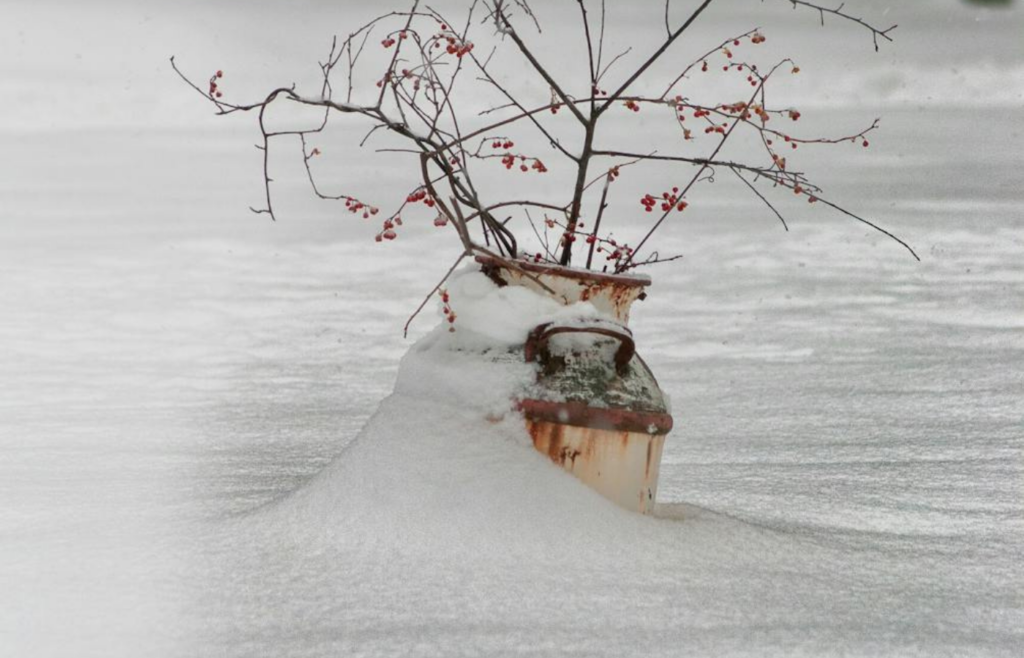
In colder climates, collect clean snow and melt it for non-potable uses. Always boil or purify melted snow before consuming to eliminate contaminants.
10. Reuse Greywater
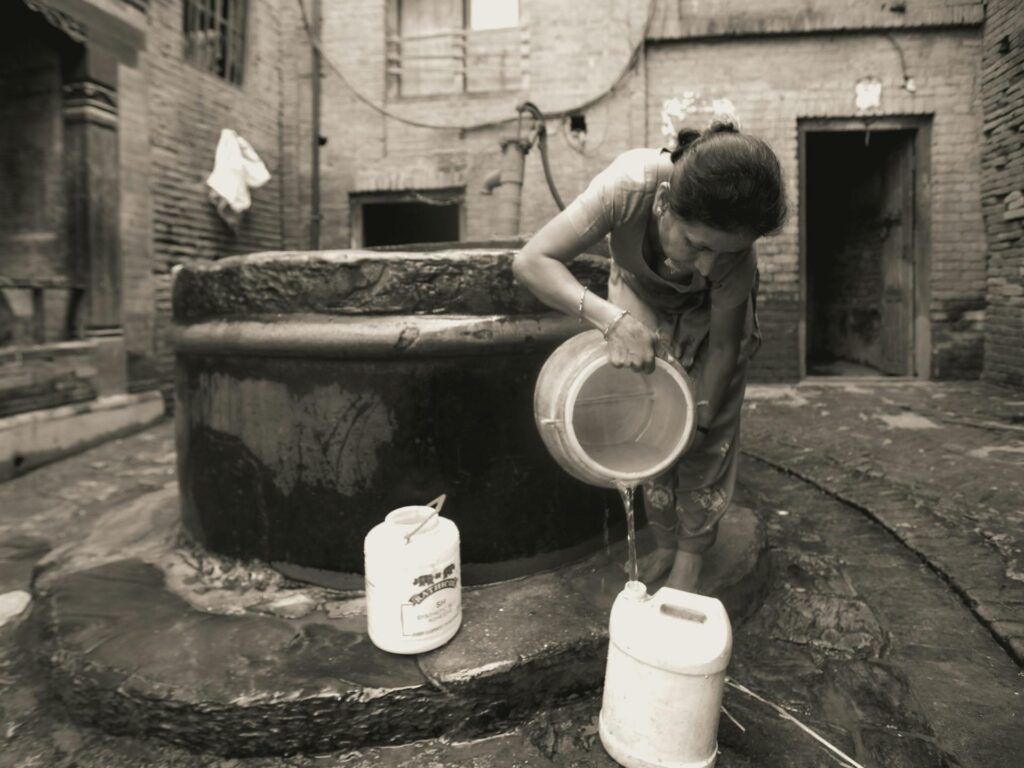
Water used for tasks like rinsing vegetables can be collected and reused for flushing toilets or watering plants. Ensure no harsh chemicals are present in the greywater before reuse.
11. Keep a Supply of Bottled Water
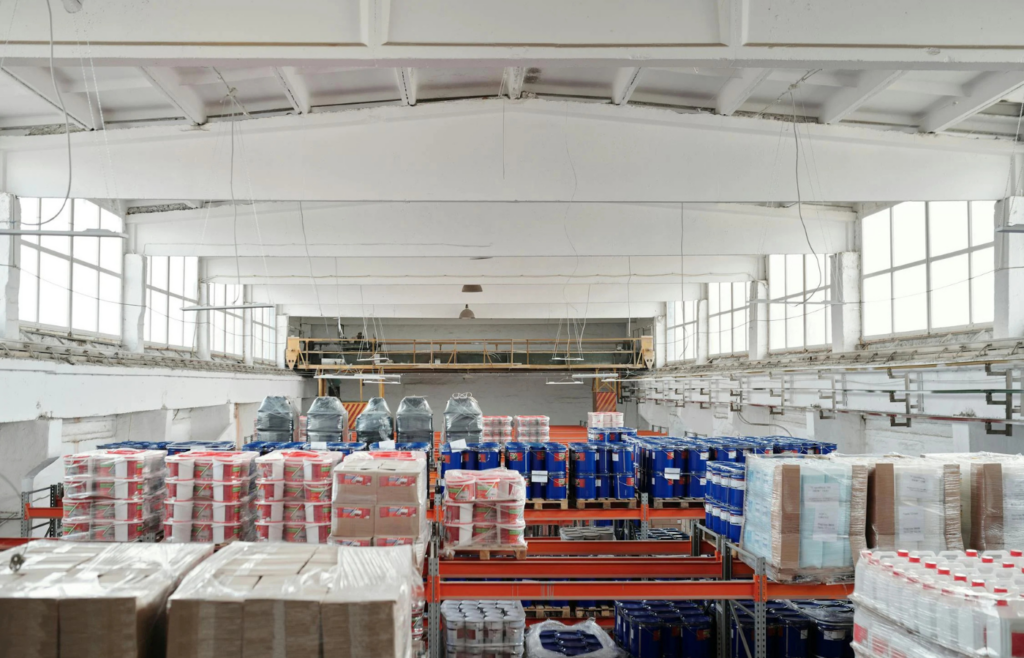
Commercially bottled water is a reliable backup for drinking and cooking needs. Rotate your stock periodically to ensure freshness.
12. Use Moist Towelettes for Cleaning
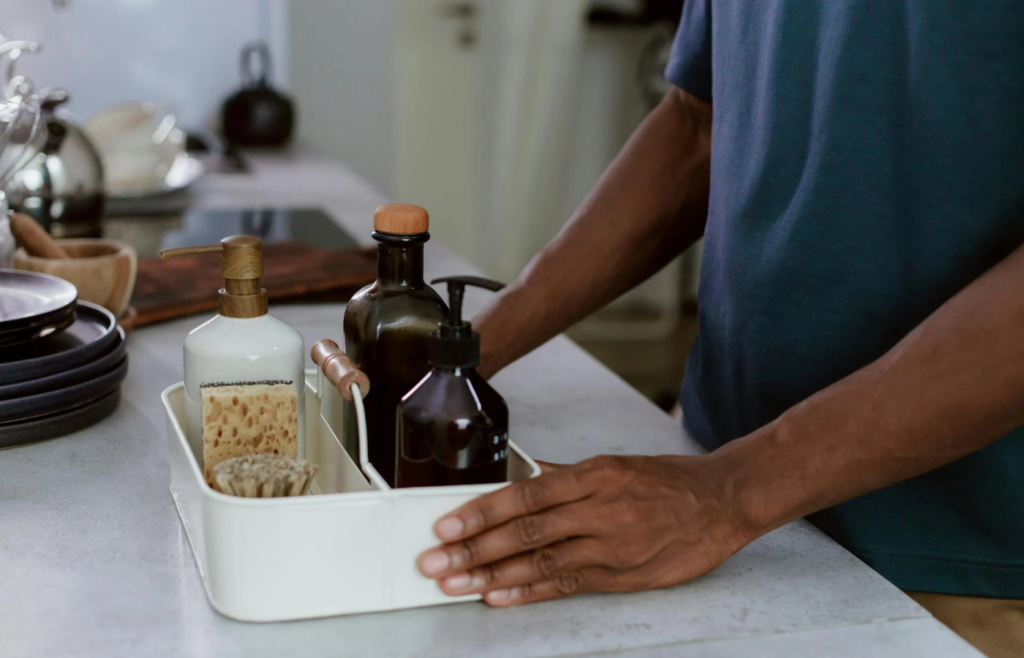
Moist towelettes can clean surfaces and utensils, reducing the need for water-based cleaning. They’re especially useful for quick cleanups.
13. Install a Waterless Toilet System

Consider investing in a composting or chemical toilet that doesn’t require water. These systems are sustainable and reduce dependency on running water.
14. Educate Household Members

Ensure everyone understands water conservation methods and the importance of hygiene during outages. A well-informed household can better manage limited resources.
15. Monitor Water Usage

Keep track of your water consumption to ensure your supply lasts the entire week. Rationing and mindful usage are key to managing limited resources effectively.
By implementing these strategies, you can navigate a week without running water more comfortably and safely. Preparation and resourcefulness are essential in managing such situations effectively.
Read More: Top 10 Emergency Signals You Should Know and Practice