The Earth’s surface is in a constant state of flux, influenced by natural forces and human activities. These changes manifest in various phenomena that signal the dynamic nature of our planet. Here are 15 indicators that the Earth is shifting beneath our feet:
1. Earthquakes

Sudden ground shaking results from the movement of tectonic plates along faults. These seismic events can cause significant structural damage and loss of life.
2. Volcanic Eruptions
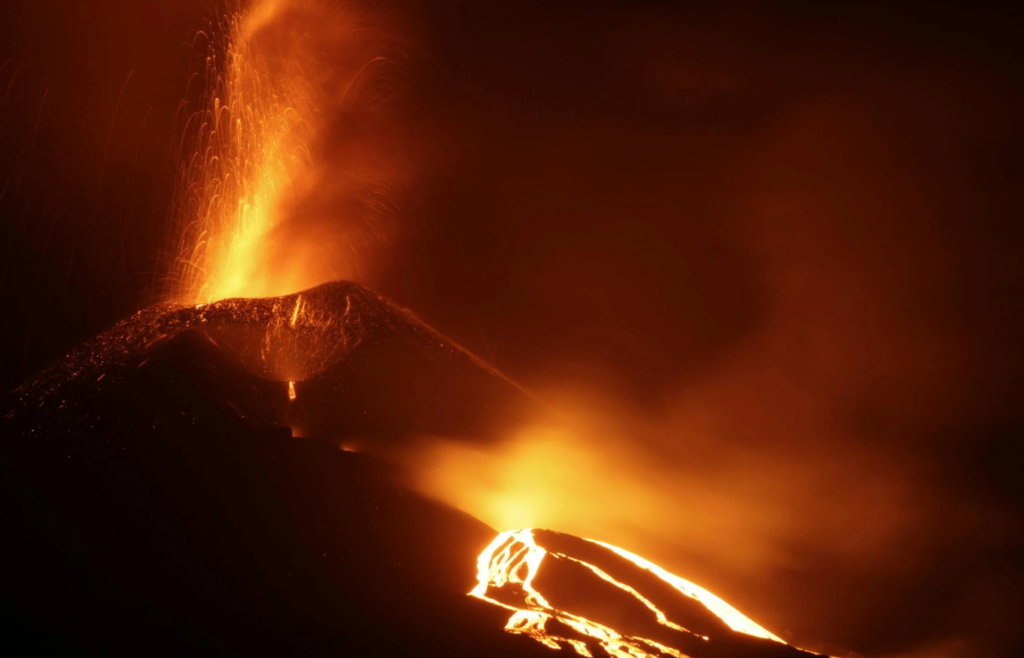
The eruption of magma from beneath the Earth’s crust indicates tectonic activity and can lead to the formation of new landforms.
3. Land Subsidence
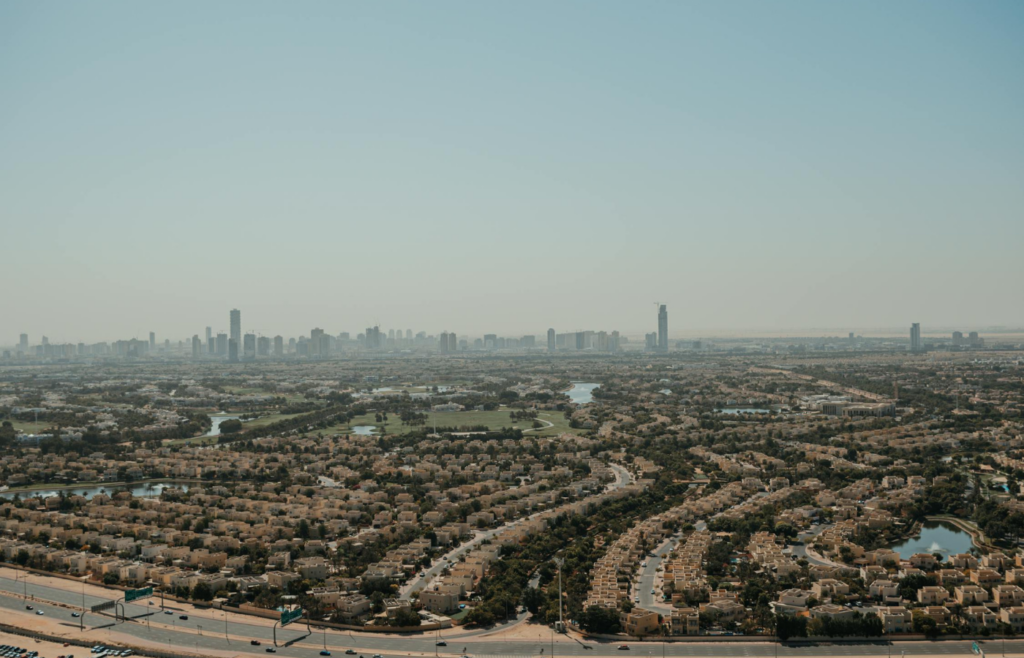
The gradual settling or sudden sinking of the Earth’s surface due to natural processes or human activities, such as groundwater extraction, can lead to structural damage.
4. Sinkholes
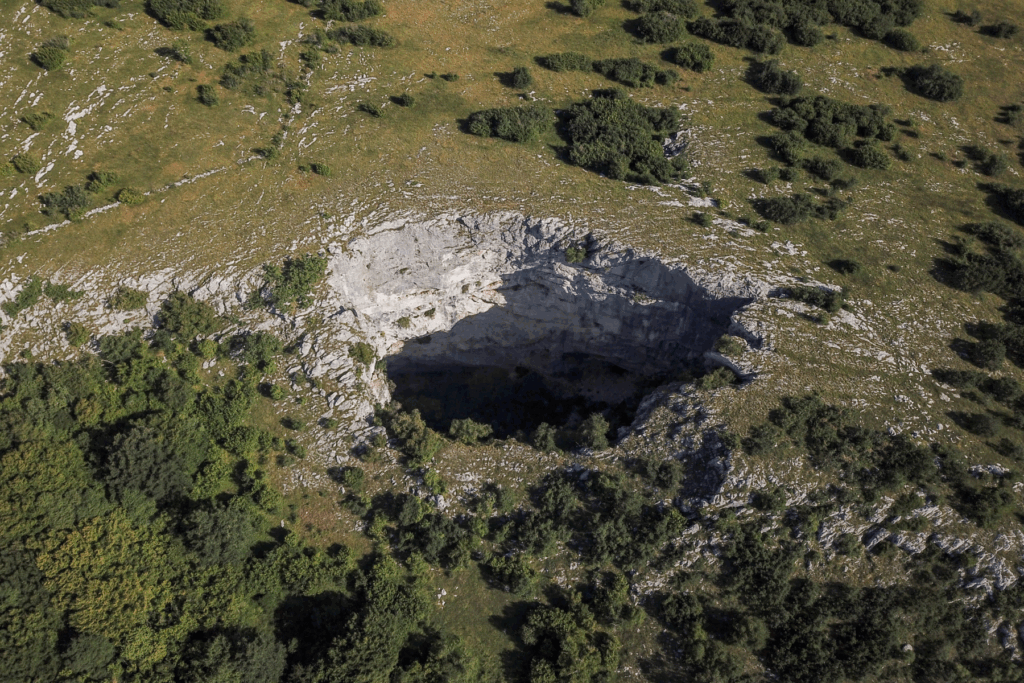
Sudden collapses of the ground surface occur when underground voids, often caused by water erosion, can no longer support the land above.
5. Coastal Erosion

The wearing away of coastal land due to wave action, currents, and rising sea levels leads to loss of habitat and property.
6. Glacial Retreat

The shrinking of glaciers due to rising global temperatures contributes to sea-level rise and altered landscapes.
Read More: 10 Biggest Tornadoes Ever Recorded
7. Sea-Level Rise

Increasing global sea levels, primarily due to melting ice caps and thermal expansion, result in coastal flooding and habitat loss.
Read More: Top 15 Wild Effects Volcanic Eruptions Have on the Planet
8. Permafrost Thawing
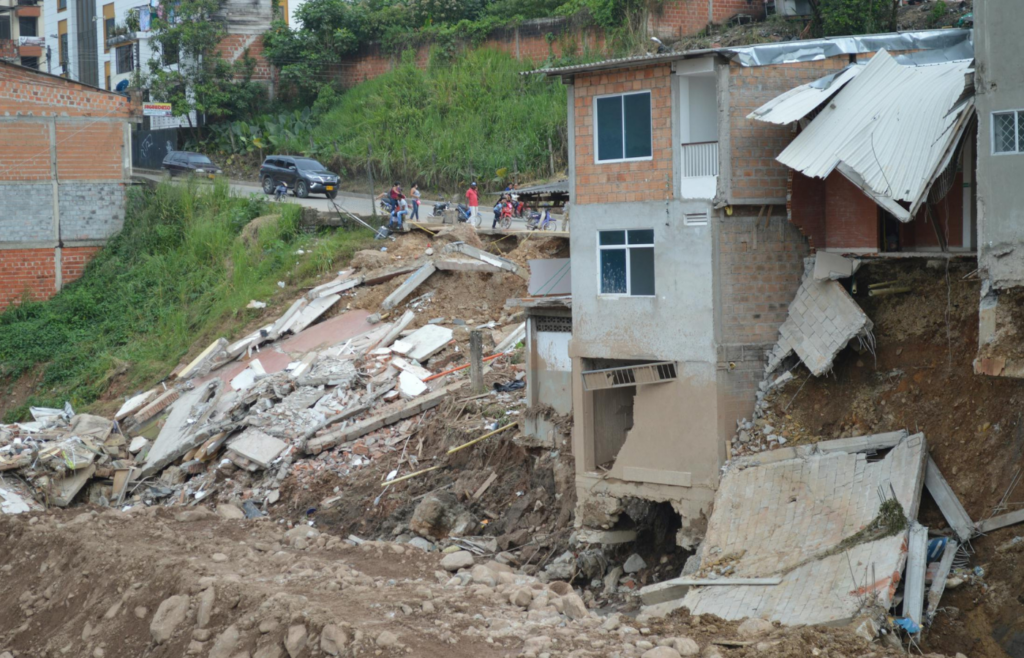
The melting of perennially frozen ground releases greenhouse gases and destabilizes the land, affecting ecosystems and infrastructure.
9. Groundwater Depletion
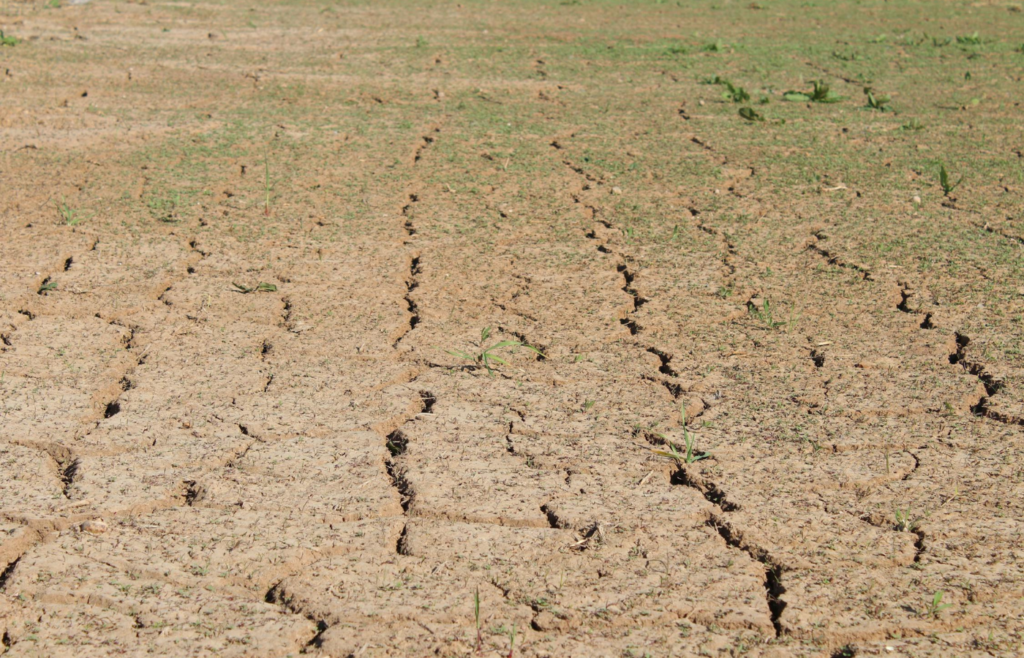
Excessive extraction of groundwater leads to reduced water tables, land subsidence, and diminished water availability.
10. Tectonic Plate Movement
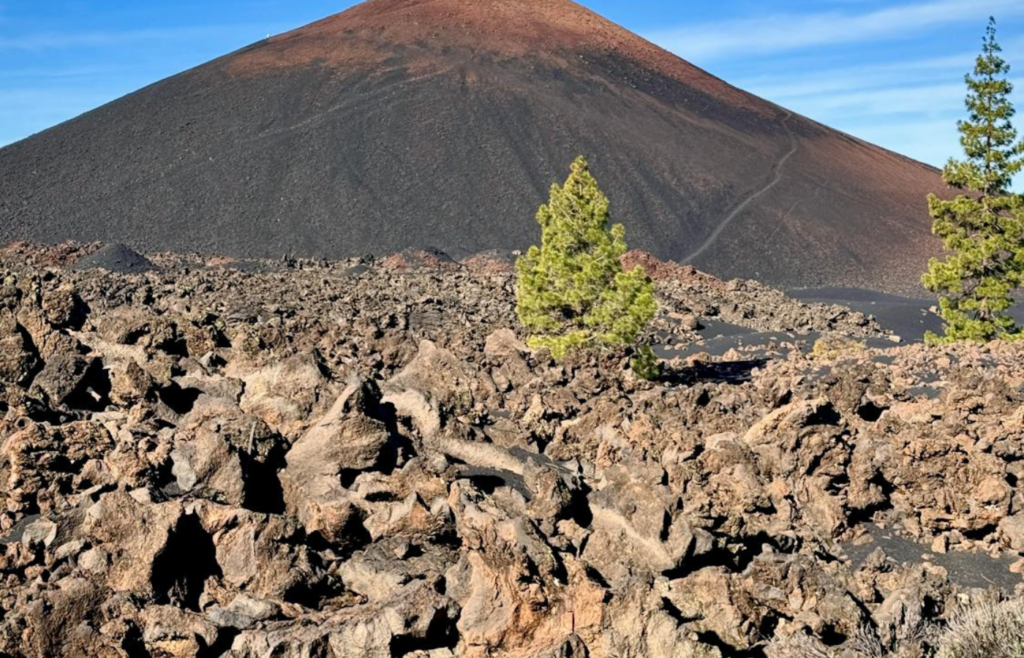
The slow but constant movement of Earth’s plates reshapes continents and ocean basins over geological time scales.
11. Fault Line Activity
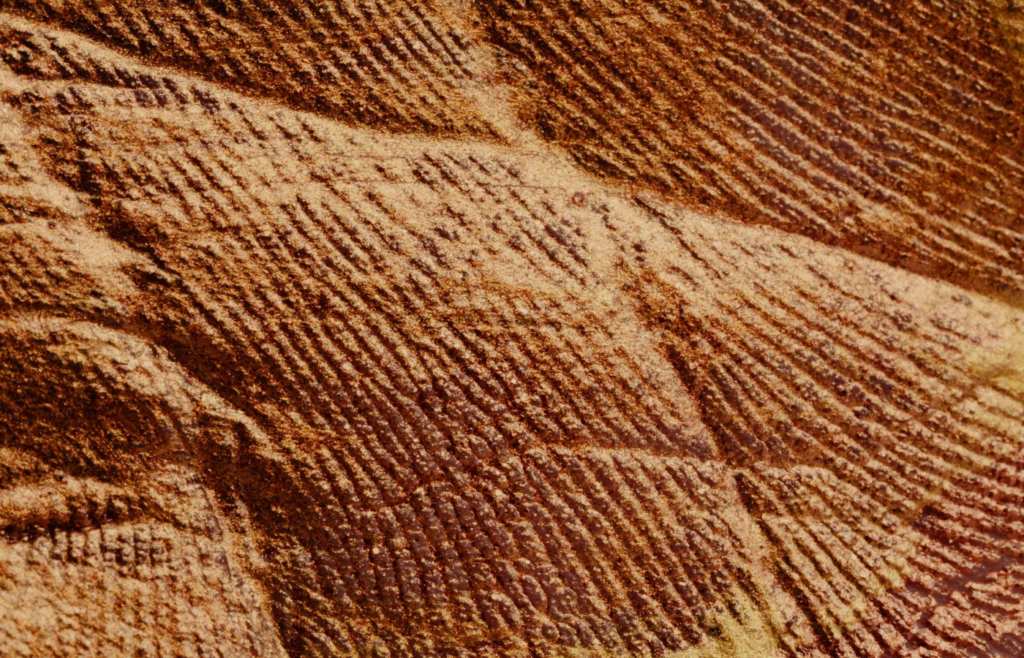
Cracks in the Earth’s crust where movement has occurred are sites for earthquakes and indicate tectonic stress.
12. Soil Liquefaction
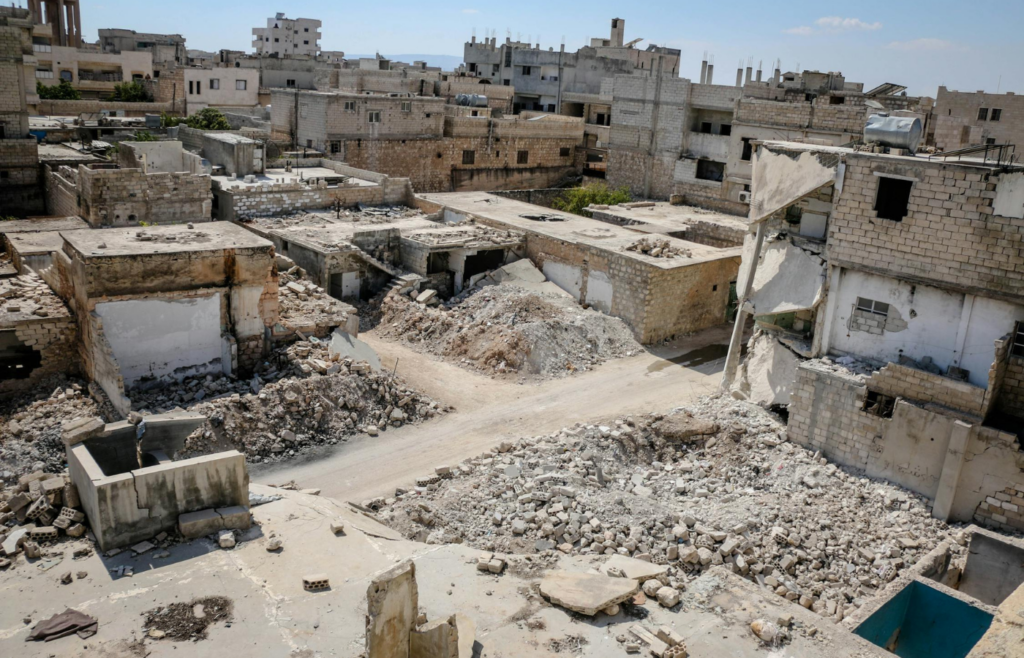
During seismic events, saturated soils can lose their solidity, causing buildings and infrastructure to tilt or sink.
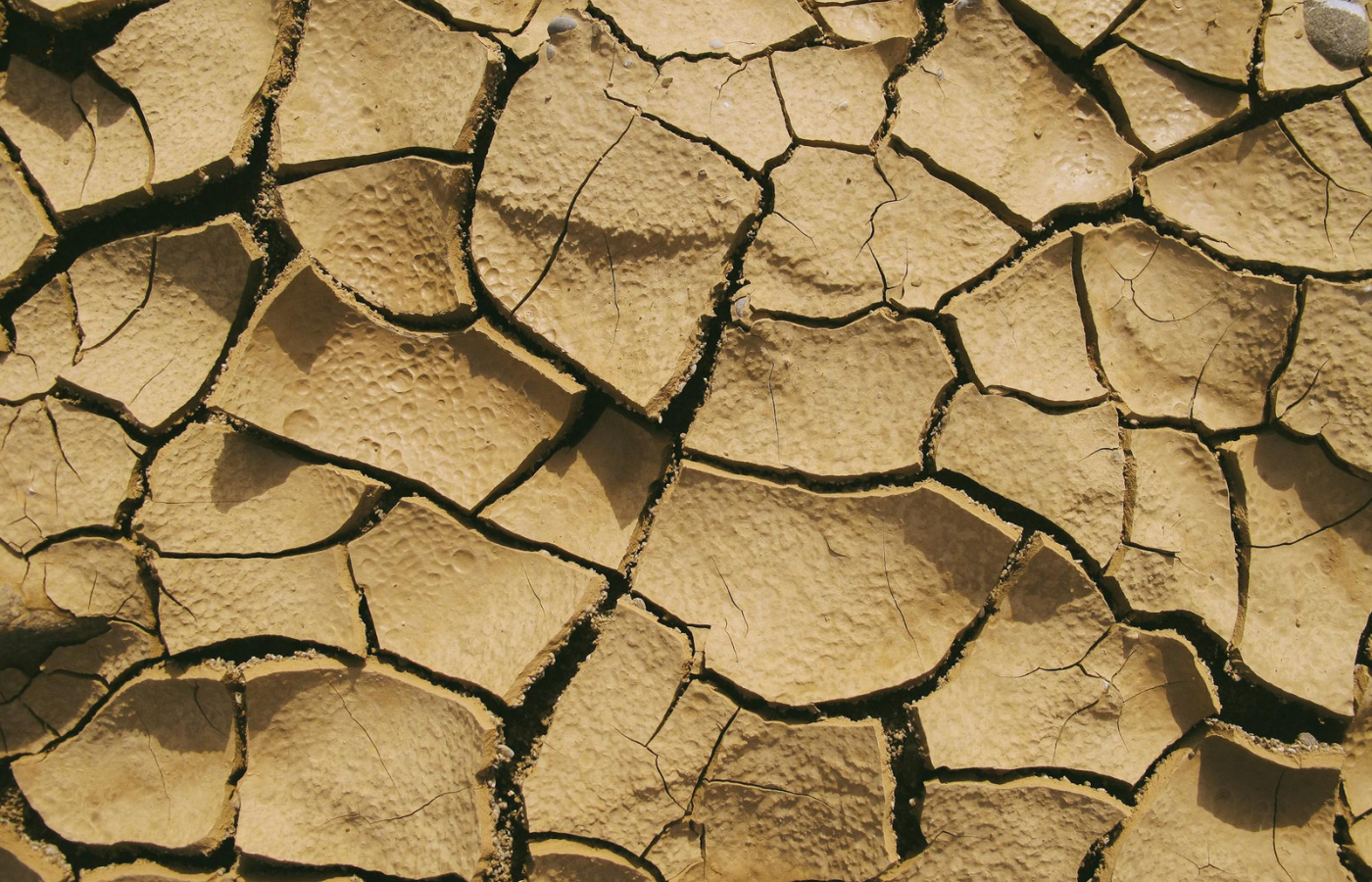
13. Earth Fissures
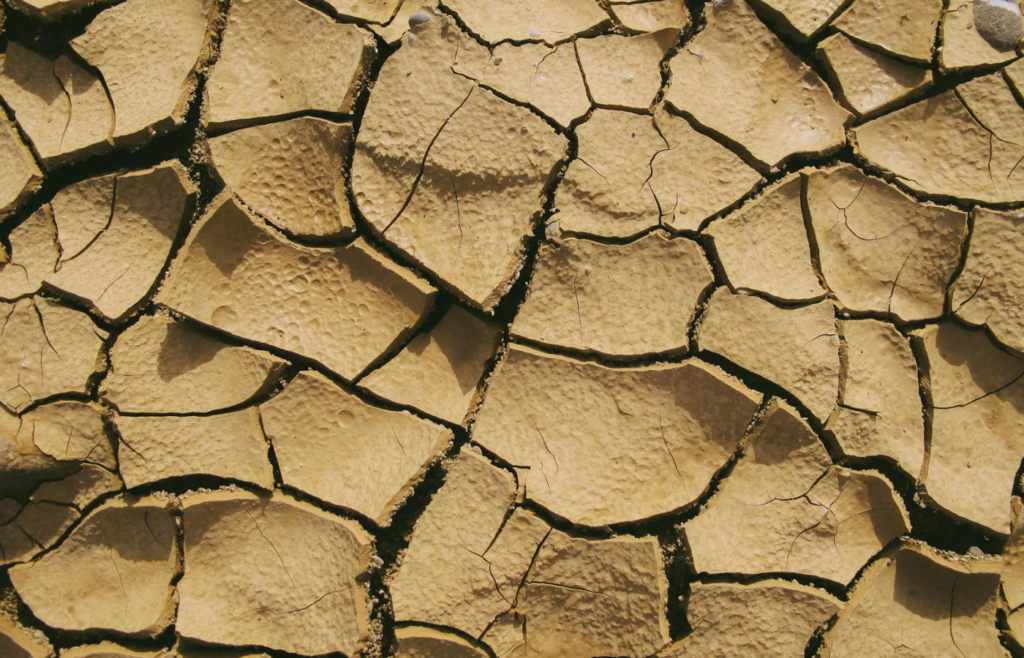
Large cracks on the Earth’s surface result from subsidence due to groundwater withdrawal or tectonic activity.
14. Mountain Uplift
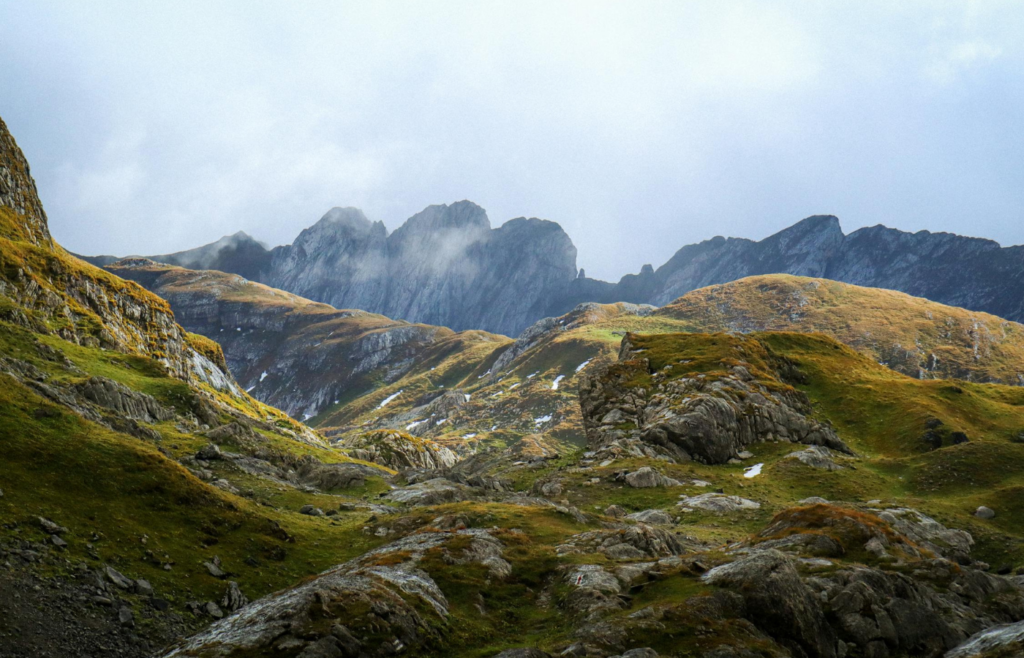
The gradual rise of land masses due to tectonic forces leads to the formation of mountain ranges.
15. Tsunamis
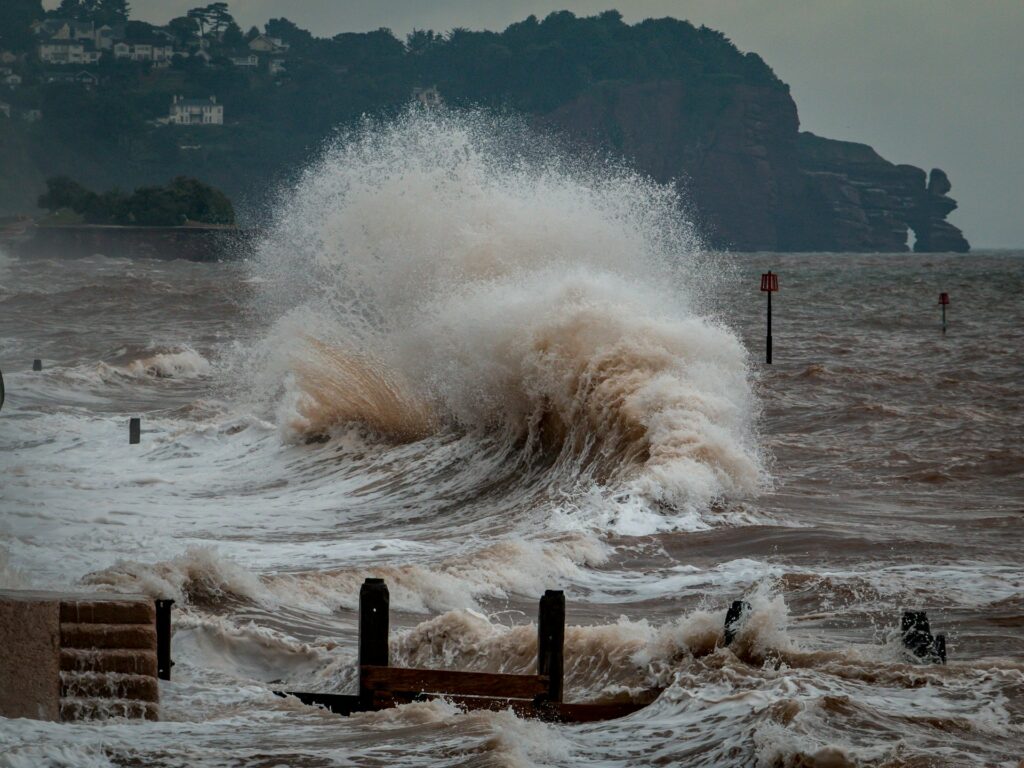
Large ocean waves generated by underwater earthquakes or volcanic eruptions can cause widespread coastal destruction.
These phenomena underscore the dynamic nature of our planet and highlight the importance of monitoring and understanding geological and environmental changes.
Read More: Top 15 Ways to Prep Your House for Long-Term Isolation