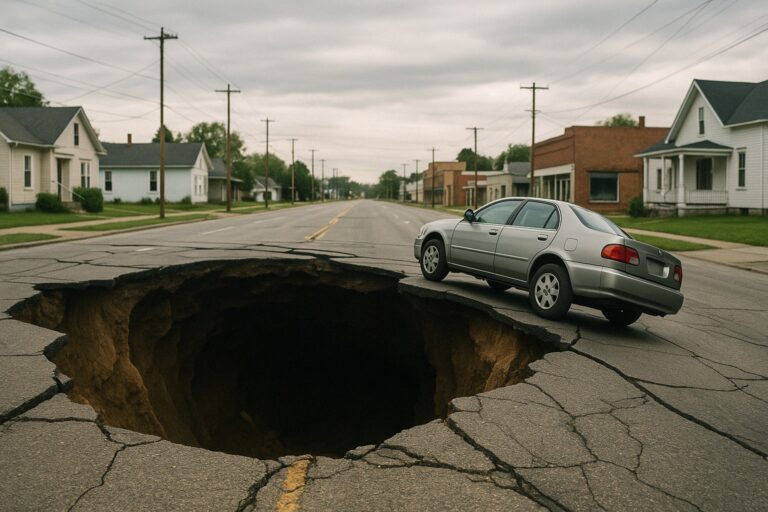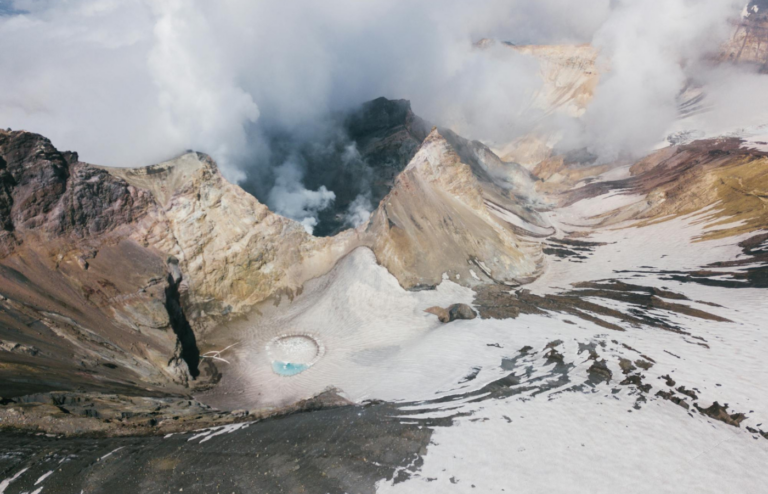
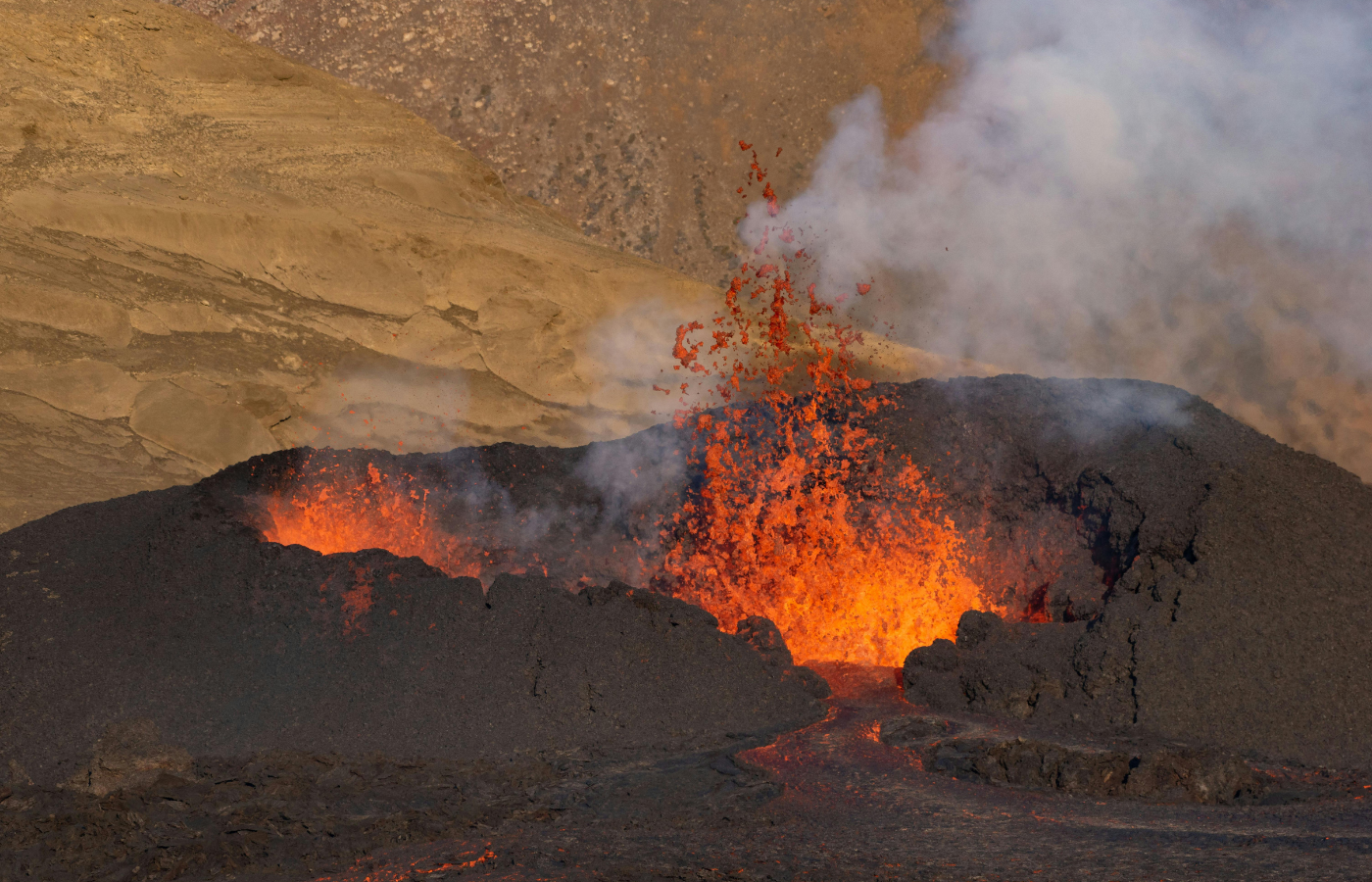
The Earth feels solid beneath our feet—but it’s not always as stable as it seems. In certain places, the ground can split, sink, or collapse without warning, swallowing roads, homes, and even entire fields.
From shifting faults to dissolving bedrock, here are 10 places around the world where the ground could crack open in an instant.
1. East African Rift, Africa
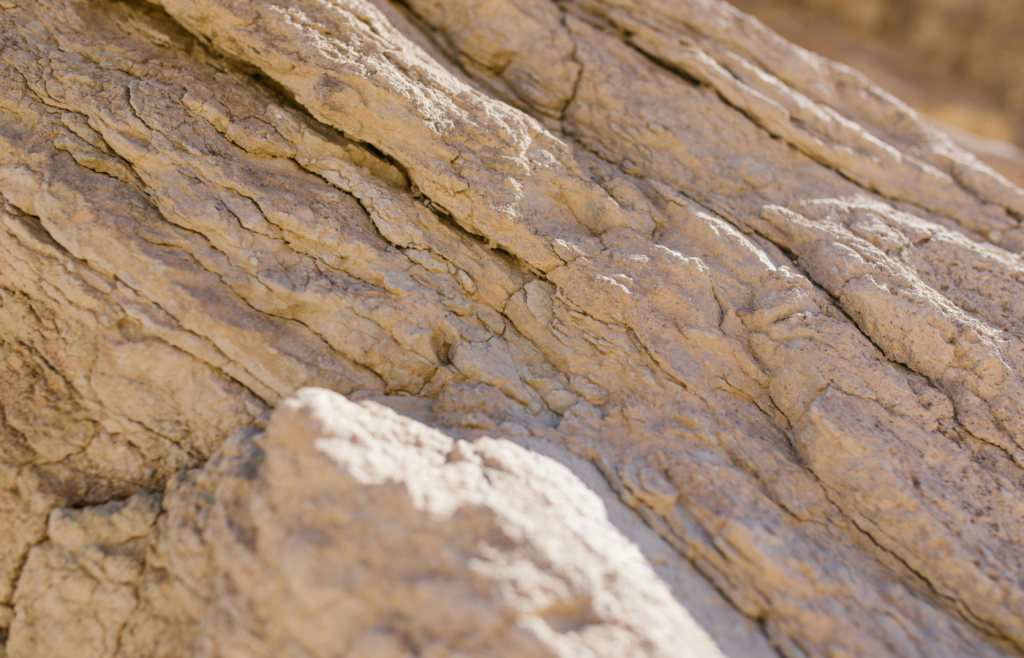
This massive tectonic rift stretches thousands of miles from Ethiopia to Mozambique. It’s literally tearing a continent apart—very slowly, but sometimes dramatically.
Large cracks have suddenly appeared after heavy rains or seismic activity. Eventually, this rift may split Africa into two landmasses.
2. Iceland – Mid-Atlantic Ridge
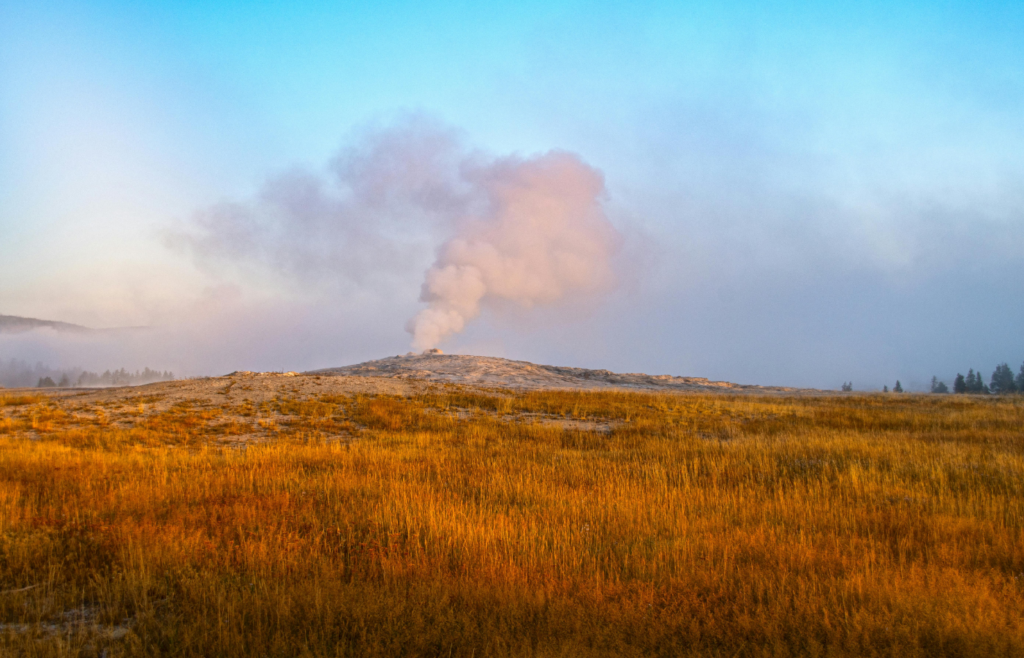
Iceland sits right on top of the boundary between the North American and Eurasian plates. As these plates pull apart, deep fissures regularly open up in the landscape.
These cracks can appear suddenly during earthquakes or volcanic activity, especially in the country’s rift zones.
3. Mexico City, Mexico
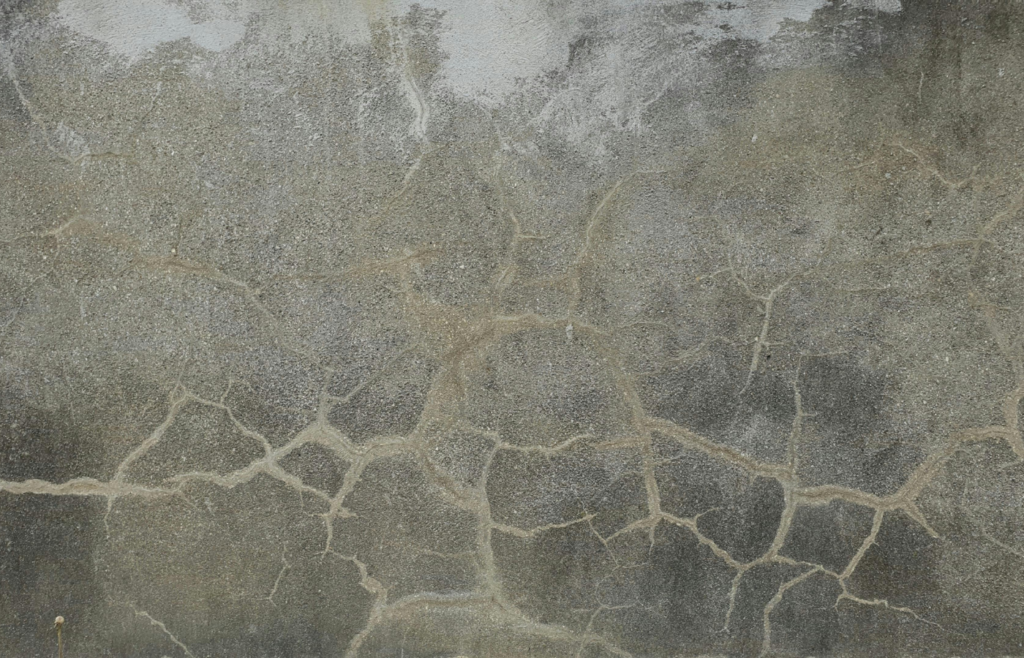
Built on an ancient lakebed, Mexico City’s ground is sinking and shifting due to groundwater extraction and soft soils.
That makes it prone to sudden cracks, fissures, and collapses—especially during earthquakes. Entire streets can buckle with little warning.
4. Arizona, USA – Earth Fissure Zones
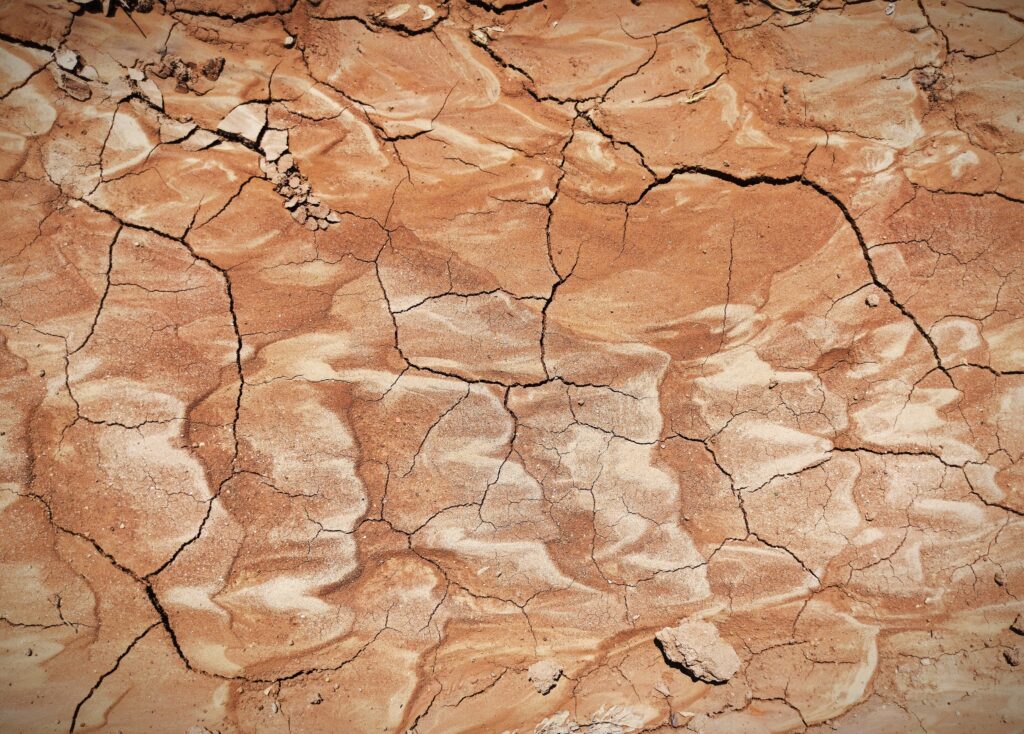
Parts of Arizona, especially near Phoenix and Tucson, are riddled with fissures caused by groundwater pumping and soil collapse.
These cracks can open up after heavy rain or with no obvious trigger. Some are deep enough to trap vehicles or break irrigation lines.
5. Guatemala City, Guatemala
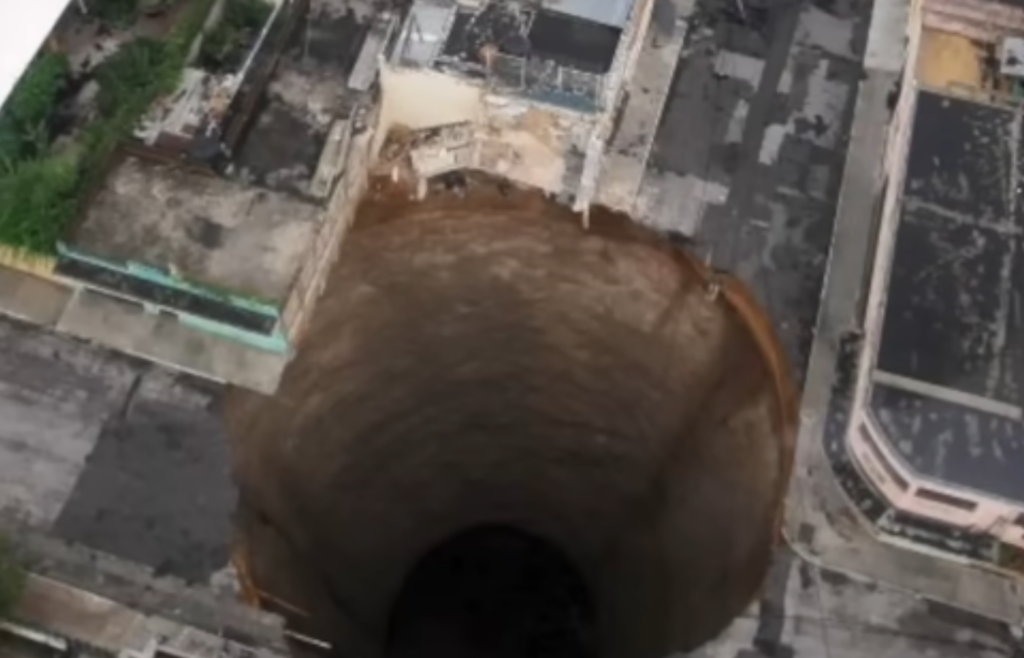
Guatemala City is infamous for massive sinkholes. One in 2010 swallowed a three-story building and created a 100-foot-deep hole.
The city’s geology—volcanic ash layers, weak soil, and leaking sewer lines—makes it a prime location for sudden ground collapse.
6. Naples, Italy – Campi Flegrei
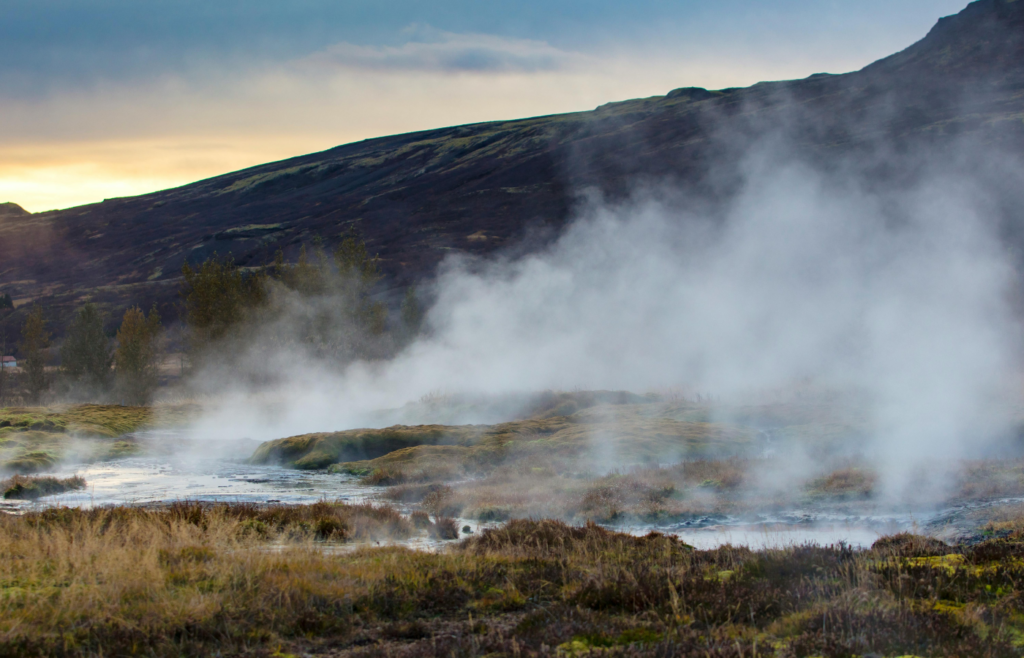
The Campi Flegrei supervolcanic zone is full of underground gases, magma, and shifting rock. Cracks in the surface can form with little warning as pressure builds below.
This region is actively monitored—but it’s still home to over a million people living atop a ticking geological puzzle.
7. Louisiana, USA – Bayou Corne Sinkhole
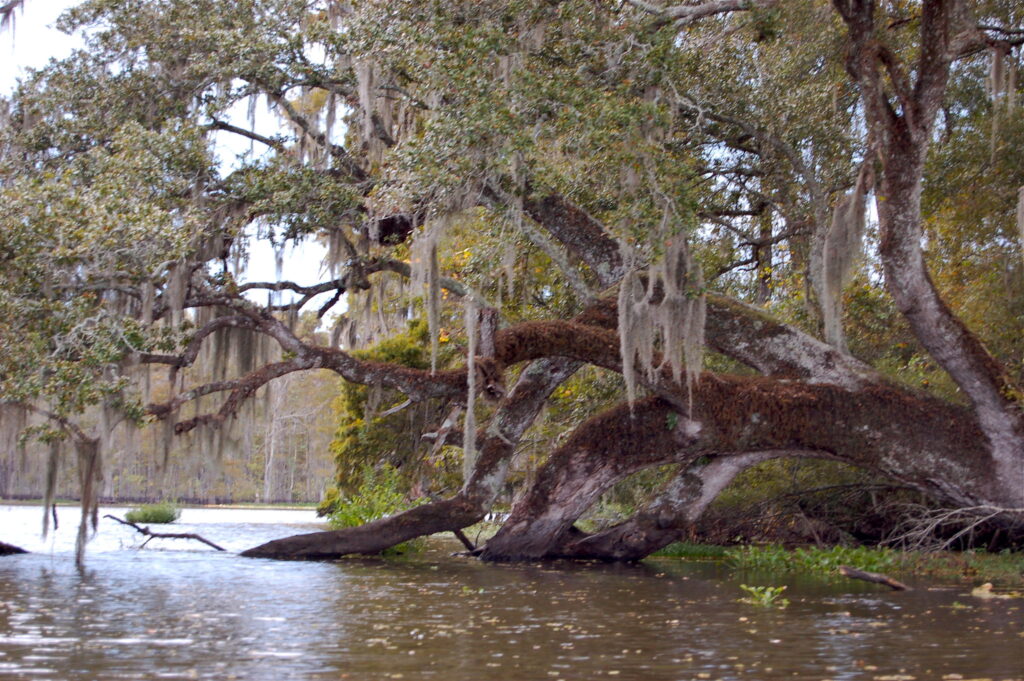
In 2012, a salt dome collapse caused the ground to cave in near Bayou Corne, swallowing acres of forest overnight. The area remains unstable, and new cracks and shifts still occur.
It’s a haunting reminder of what lies beneath—and how human activity like mining can trigger massive change.
8. Yamal Peninsula, Russia

This Siberian region has seen mysterious, giant craters appear suddenly in recent years—some over 100 feet wide. Scientists believe they’re caused by explosive releases of methane from melting permafrost.
The ground literally bursts open, revealing the hidden instability of thawing frozen soil.
Read More: Top 10 Reasons Yellowstone’s Supervolcano Keeps Scientists Up at Night
9. San Andreas Fault, California, USA
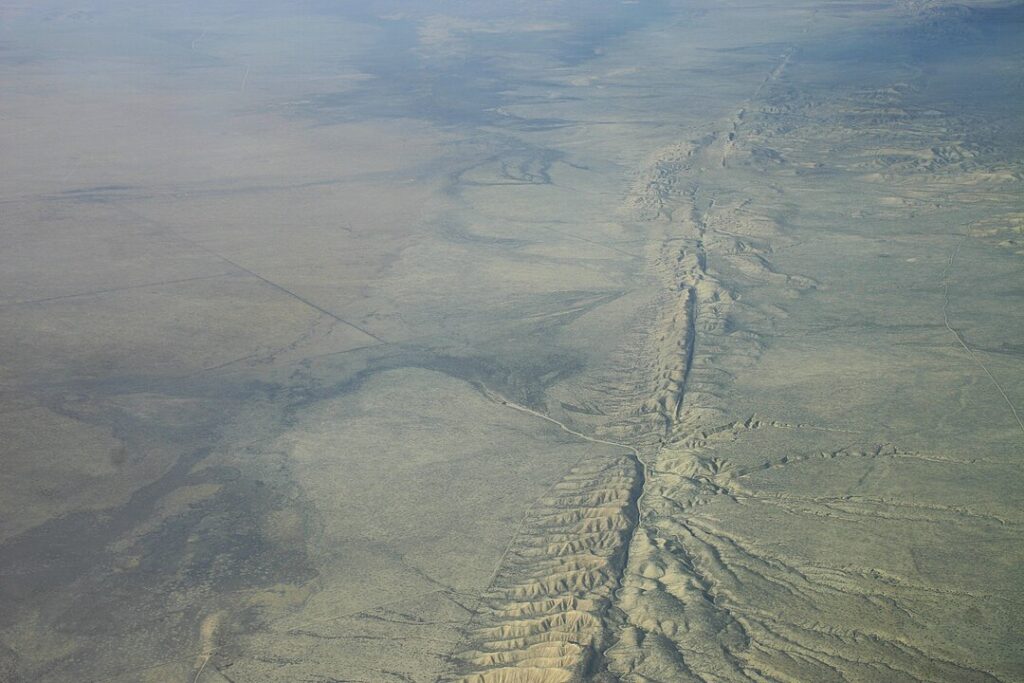
The San Andreas Fault is one of the most famous in the world. It’s capable of sudden, severe movement that can split the ground open during earthquakes.
While the big one hasn’t hit yet, cracks have already formed in roads, fields, and neighborhoods along its length.
Read More: Top 10 Strangest Things Ever Erupted from a Volcano
10. Dead Sea Region – Jordan and Israel

As the Dead Sea shrinks, underground salt layers dissolve, leaving empty cavities. These collapse suddenly, creating massive sinkholes and long cracks along the shoreline.
Entire beaches, roads, and even buildings have disappeared into the Earth, turning the region into a geologic minefield.
Cracks in the Earth aren’t just dramatic—they’re reminders that the planet is constantly shifting under our feet. In these places, the ground can change in an instant, catching even the most prepared off guard.
Read More: Top 10 Weather Phenomena That Science Still Doesn’t Fully Understand