

Tracking is an ancient skill that has guided humans through the wilderness for millennia. Even in today’s tech-driven world, these time-honored techniques remain invaluable for hunters, hikers, and nature enthusiasts. By honing these abilities, individuals can deepen their connection to the environment and enhance their situational awareness.
Here are ten traditional tracking skills that continue to prove their worth:
1. Identifying Animal Tracks

Recognizing and interpreting animal footprints is key to tracking, as studying their size, shape, and pattern reveals the species, direction of travel, and even the animal’s speed. This skill helps in understanding wildlife behavior and movements.
2. Reading Scat and Droppings

Examining animal feces offers valuable information about an animal’s diet, health, and recent activities. Fresh droppings suggest the animal is nearby, and their composition can reveal dietary habits. This knowledge is essential for tracking and ecological research.
3. Noting Broken Twigs and Disturbed Vegetation

Animals often leave subtle signs like bent grass, broken branches, or disturbed leaves. These indicators help trackers follow a trail through dense vegetation, revealing the path and size of the animal.
4. Recognizing Feeding Signs

Chewed leaves, gnawed branches, and stripped bark are signs of feeding areas. By recognizing these marks, trackers can identify frequently visited spots and gain insights into the animal’s diet and habits.
5. Listening for Alarm Calls

Birds and other animals often emit specific calls when predators are nearby. By tuning into these alarm signals, trackers can become aware of the presence of larger animals or potential dangers in the vicinity.
6. Observing Animal Trails and Runs

Repeated use of specific routes by animals creates visible trails. Recognizing these paths helps in predicting movement patterns and locating resting or feeding areas.
7. Assessing Track Age

Determining the age of a track is essential for shadowing. Factors such as riding, debris buildup, and humidity content help estimate how lately the track was made, giving suggestions about the beast’s propinquity.
8. Recognizing Scent Markings

Many animals mark their territory using scent, leaving signs like rubbed trees or sprayed areas. Noticing these markings can reveal territorial boundaries and indicate the presence of specific species
Read More: Top 10 Things to Do After a Major Storm Cuts You Off
9. Understanding Gait Patterns
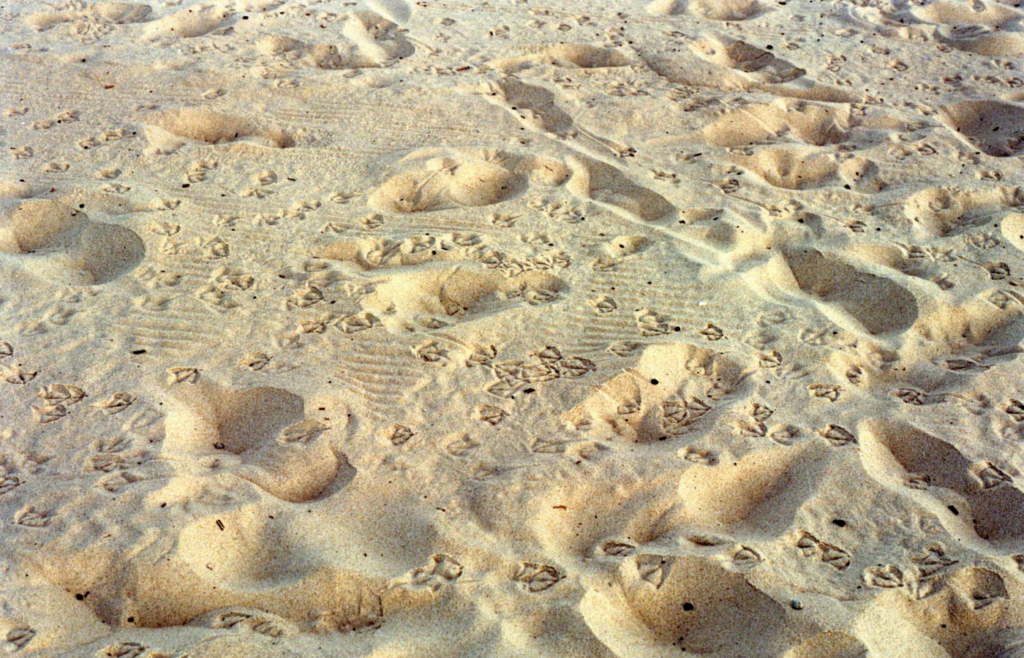
Analyzing the spacing and arrangement of tracks reveals an animal’s gait whether it was walking, trotting, or running. This insight helps in understanding the animal’s behavior at the time.
Read More: Top 10 Things Preppers Practice That Most People Ignore
10. Utilizing Sign Tracking

n addition to footprints, trackers look for signs like feathers, fur, nests, or scratch marks. These clues provide further context about the animal’s activities and its environment.
Mastering these traditional tracking skills enriches outdoor experiences and fosters a deeper appreciation for the natural world. They serve as a bridge connecting modern adventurers to ancient practices, proving their enduring relevance.
Read More: Top 10 Survival Gear Items That Are Surprisingly Affordable