Natural disasters leave more than visible destruction in their wake. Beyond the immediate damage, they introduce a range of hidden threats that can jeopardize health, safety, and recovery efforts.
Here are 15 concealed dangers to be aware of after a natural disaster:
1. Contaminated Floodwaters

Floodwaters often carry sewage, chemicals, and debris, posing serious health risks. Direct contact can lead to infections, gastrointestinal illnesses, and skin conditions. It’s crucial to avoid wading through floodwaters whenever possible.
2. Mold Growth

Damp environments foster mold proliferation, which can cause respiratory issues and allergic reactions. Homes that have experienced flooding are particularly susceptible. Prompt drying and proper ventilation are essential to mitigate mold risks.
3. Structural Instability
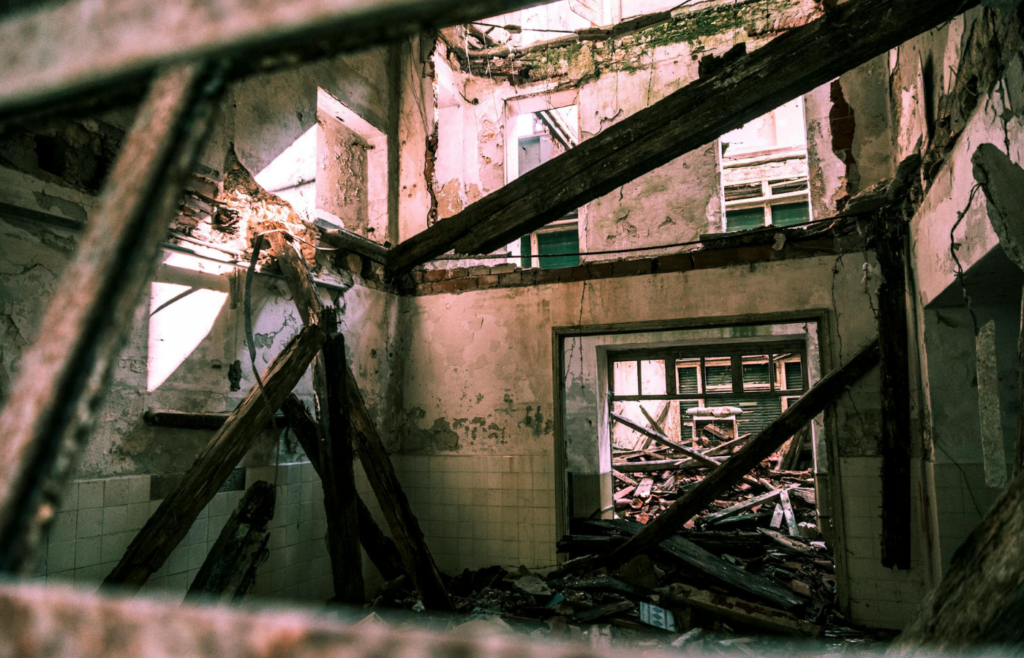
Buildings may appear intact, but could have compromised foundations or supports. Entering such structures without professional assessment can lead to injury from unexpected collapses.
4. Electrical Hazards

Downed power lines and submerged electrical systems pose electrocution risks. It’s vital to assume all wires are live and maintain a safe distance until authorities declare the area safe.
5. Gas Leaks

Natural disasters can damage gas lines, leading to leaks that may result in explosions or carbon monoxide poisoning. If you smell gas or hear a hissing sound, evacuate immediately and notify emergency services.
6. Waterborne Diseases

Contaminated water supplies can spread diseases like cholera and hepatitis. Ensuring access to clean drinking water and practicing good hygiene are critical in preventing outbreaks.
7. Chemical Spills
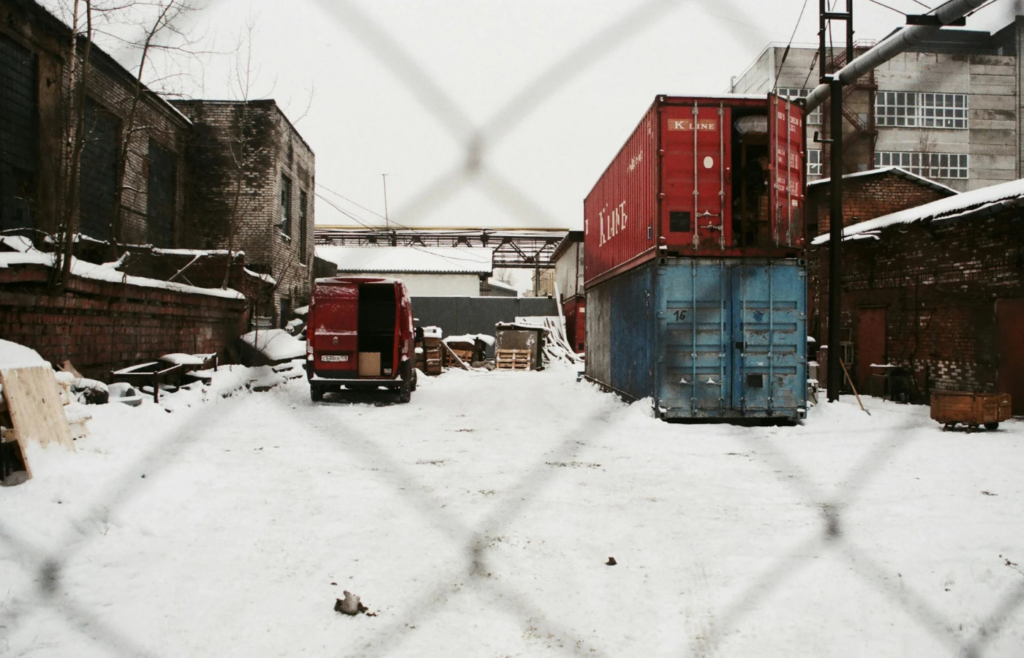
Floods and storms can cause hazardous materials from industrial sites to leak into the environment, posing toxic exposure risks. Avoid areas near factories or storage facilities until they’re deemed safe.
Read More: 15 Freak Weather Events That Scientists Still Can’t Fully Explain
8. Mental Health Struggles

The trauma of experiencing a disaster can lead to anxiety, depression, and post-traumatic stress disorder (PTSD). Recognizing and addressing these emotional impacts is essential for recovery.
Read More: 10 Weirdest Places It Has Ever Snowed (And Why It Happened!)
9. Increased Disease Transmission in Shelters
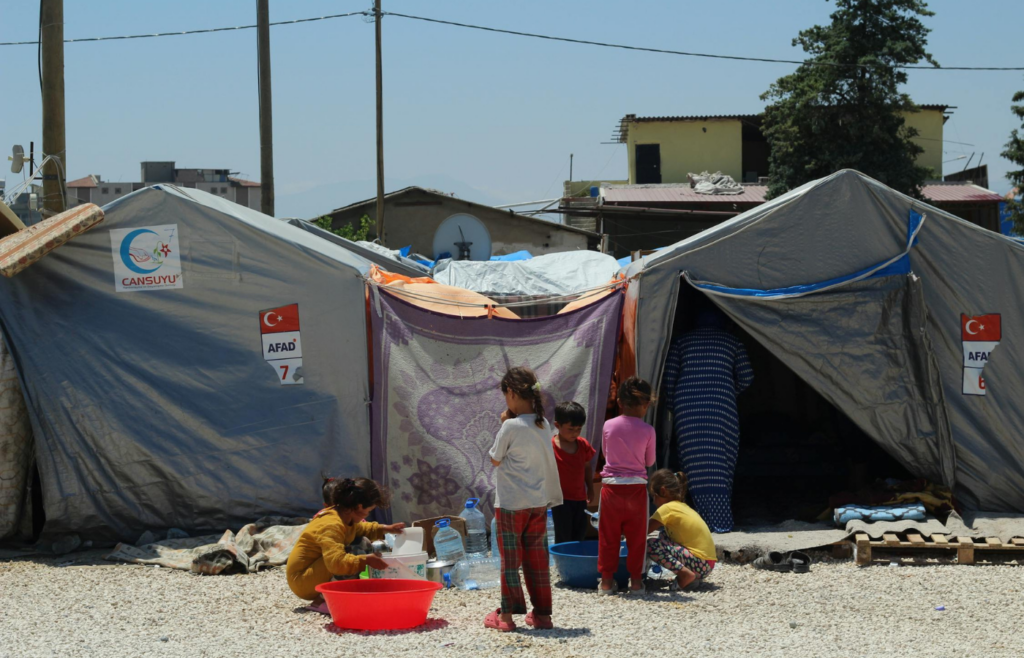
Overcrowded shelters can facilitate the spread of respiratory infections and other communicable diseases. Maintaining hygiene and seeking medical attention for symptoms can help control outbreaks.
10. Carbon Monoxide Poisoning

Using generators or grills indoors or in poorly ventilated areas can lead to carbon monoxide buildup, which is fatal. Always operate such equipment outdoors and away from windows.
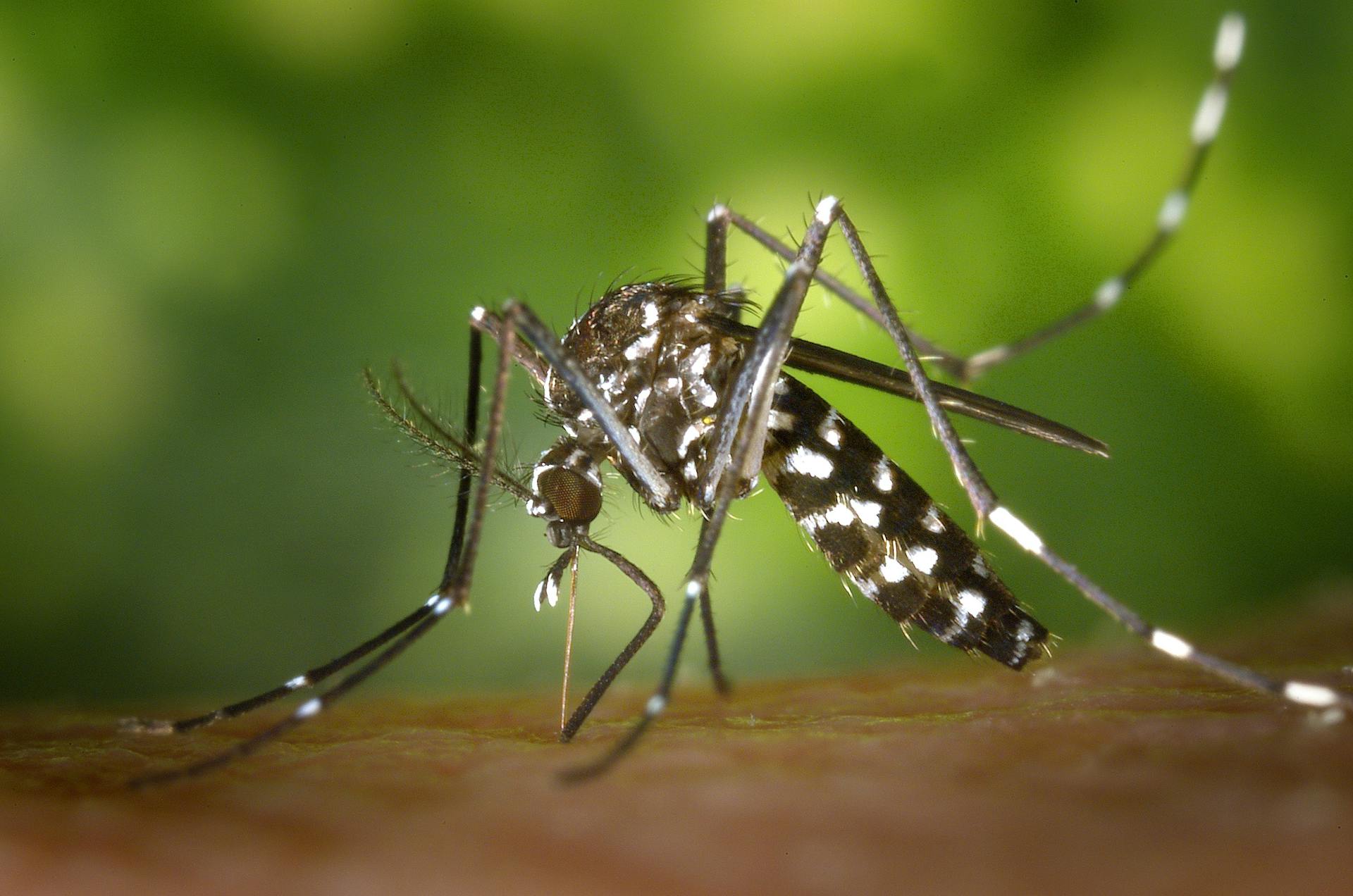
11. Mosquito-Borne Illnesses

Standing water left by floods creates breeding grounds for mosquitoes, increasing the risk of diseases like West Nile virus and dengue fever. Eliminating stagnant water and using insect repellent can reduce exposure.
12. Hidden Debris Underwater

Floodwaters can conceal sharp objects or open manholes, leading to injuries. Avoid walking through water if possible; if unavoidable, proceed with extreme caution.
13. Landslides and Mudslides
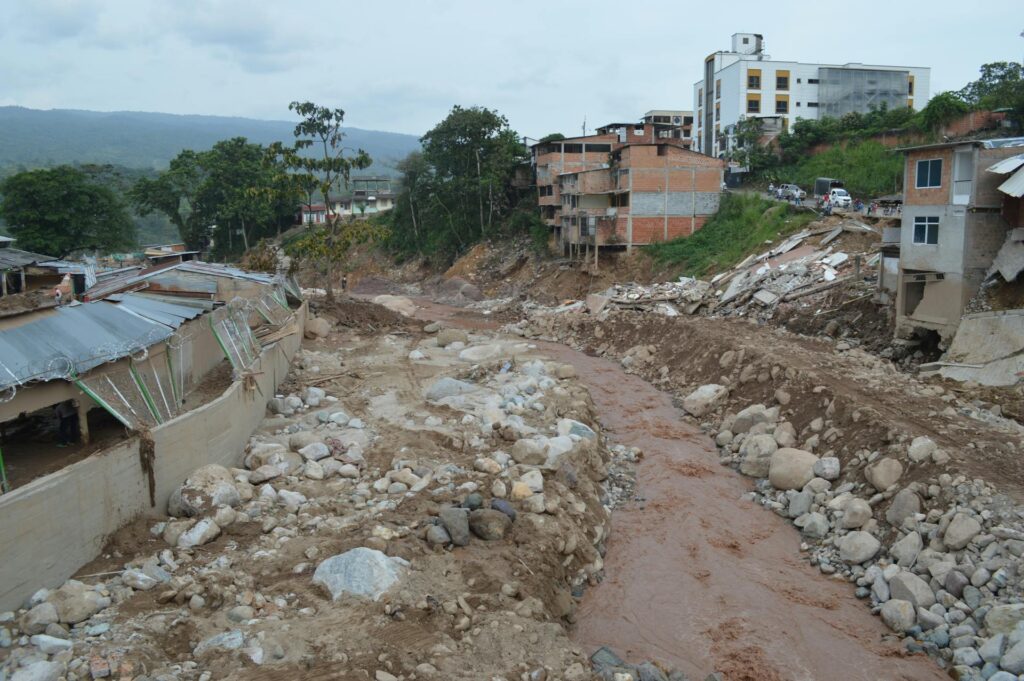
Saturated soils and altered landscapes increase the risk of landslides, especially in hilly or mountainous regions. Be alert to changes in terrain and heed evacuation orders.
14. Disrupted Healthcare Services
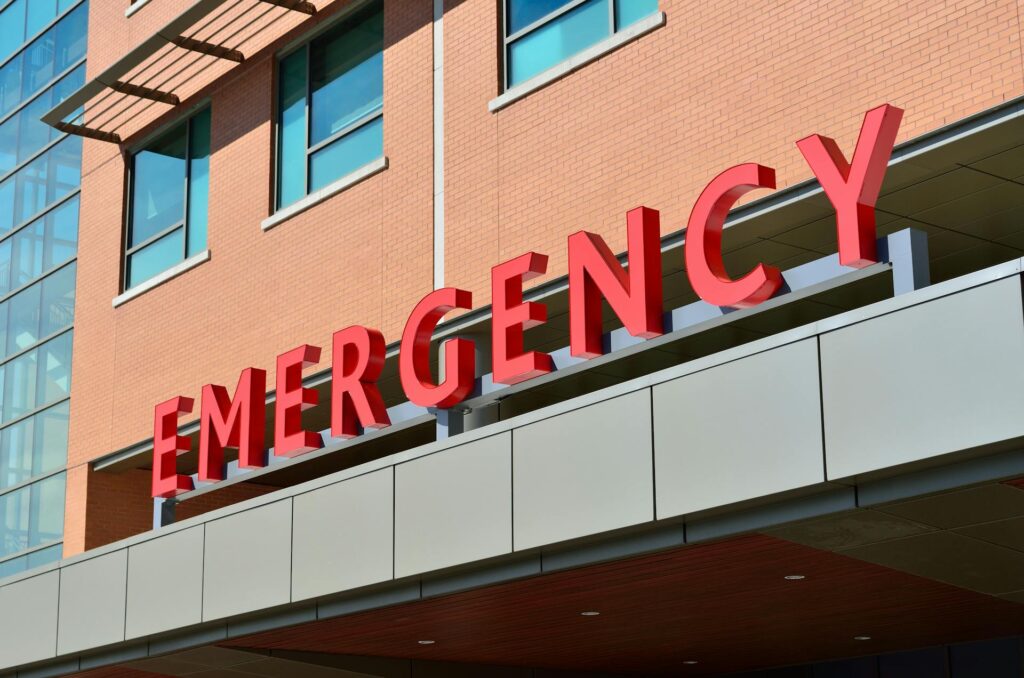
Damage to medical facilities can limit access to care, exacerbating health issues and delaying emergency treatments. Seeking alternative healthcare options and having a first aid kit on hand is advisable.
15. Domestic Violence Increase

Stress and displacement can lead to a rise in domestic violence incidents post-disaster. Accessing support services and being aware of this risk is important for vulnerable individuals.
Awareness of these hidden threats is crucial for effective disaster response and recovery. Taking proactive measures can mitigate risks and safeguard both physical and mental well-being in the aftermath of natural disasters.
Read More: 10 Ways the Jet Stream Impacts Local Weather