
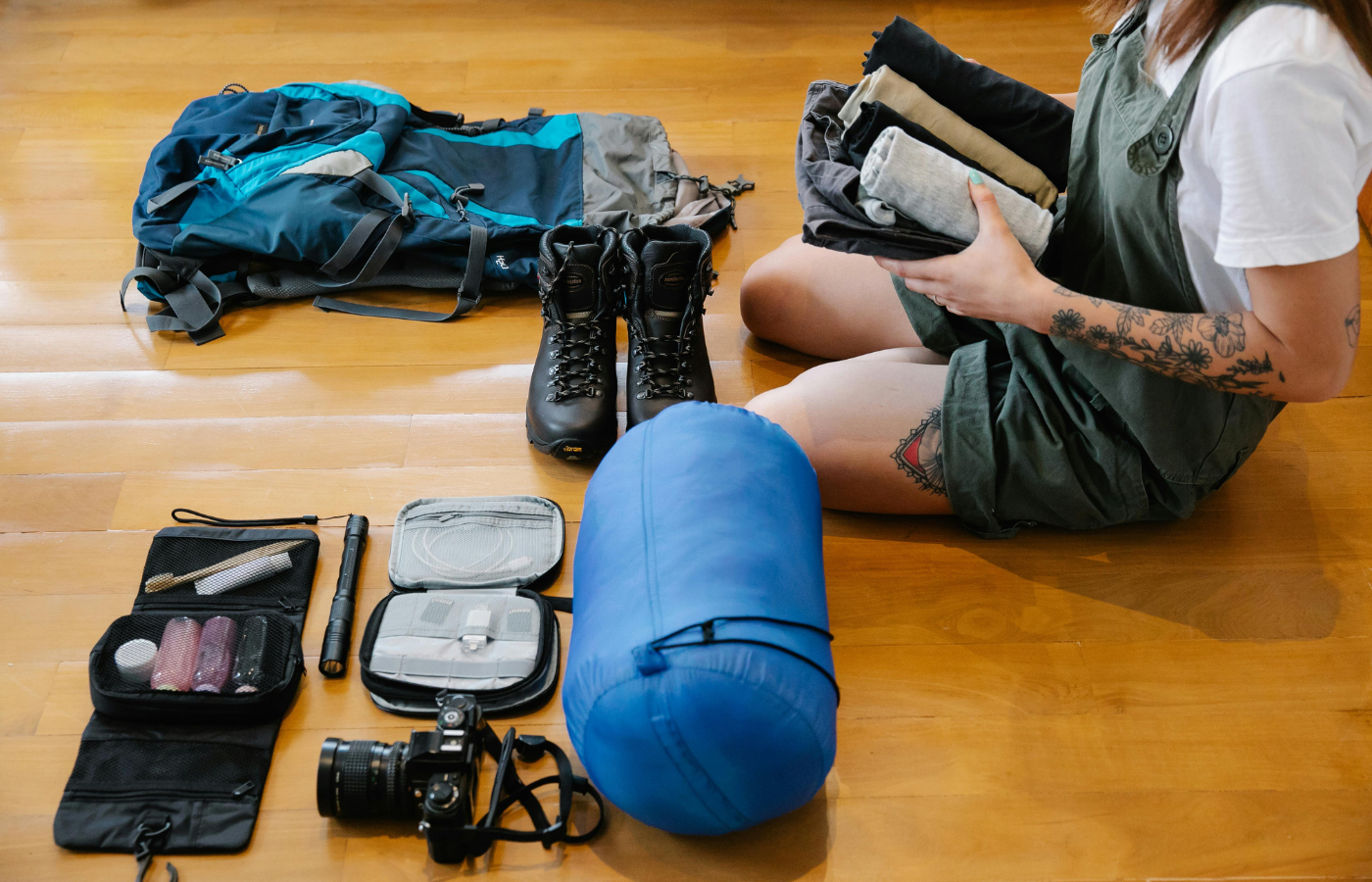
When a storm hits, you may have only minutes to react. Whether it’s a hurricane, tornado, blizzard, or thunderstorm, having a well-stocked emergency kit can be the difference between safety and disaster.
Here are 15 essential items that should always be in your storm emergency kit—because when severe weather strikes, being prepared is everything.
1. Flashlight and Extra Batteries
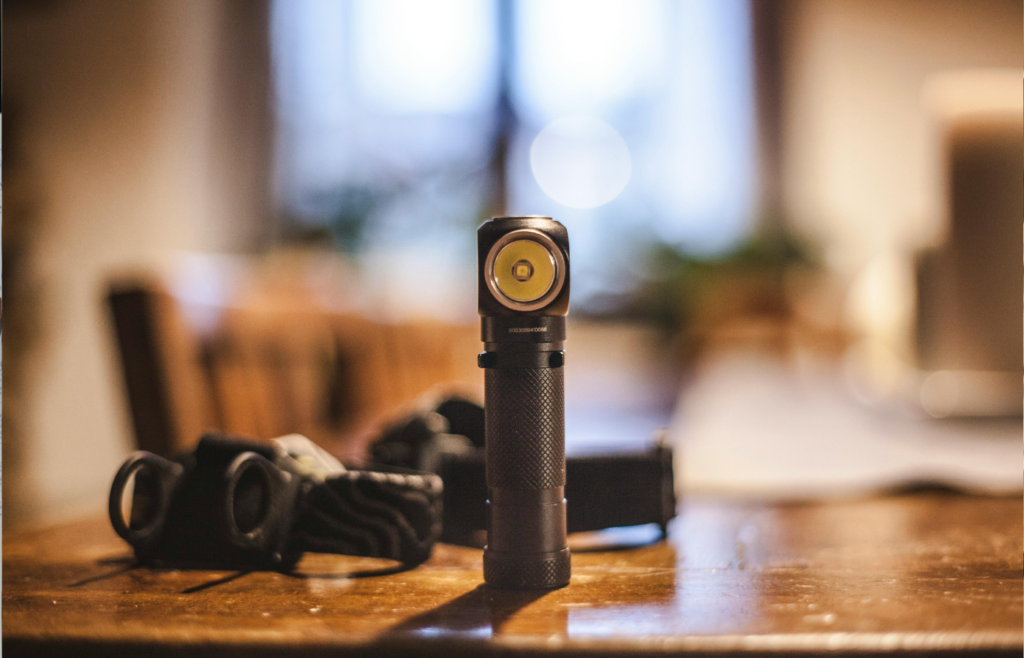
Power outages are common during storms, and you don’t want to be stumbling around in the dark.
- Choose an LED flashlight for longer battery life.
- Store extra batteries in a waterproof bag.
2. NOAA Weather Radio (Battery-Powered or Hand-Crank)
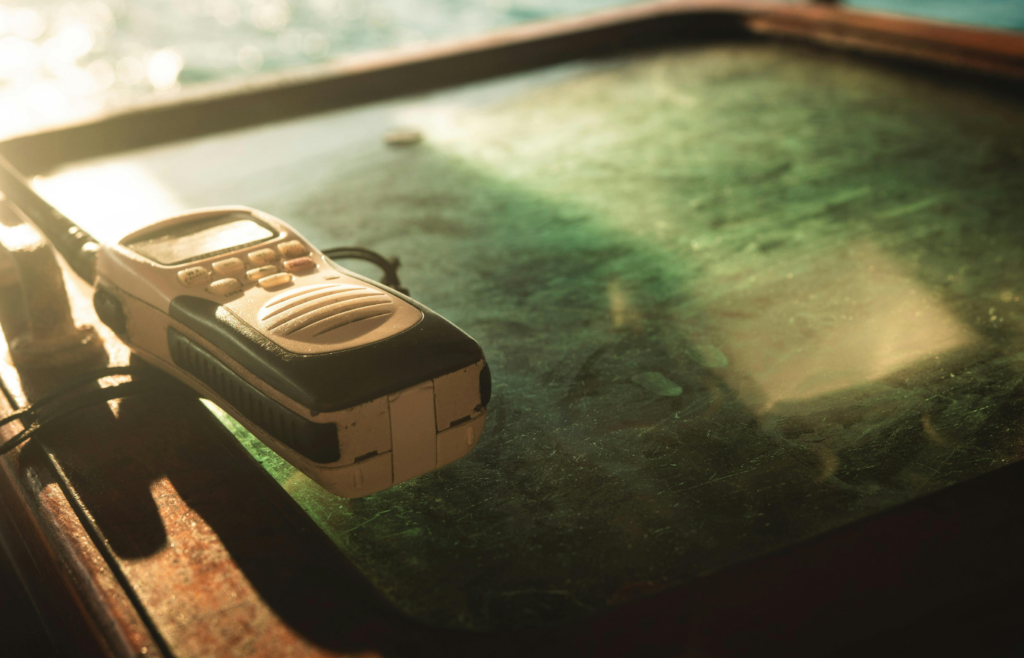
Cell towers can fail, and the internet can go down. A NOAA weather radio gives real-time alerts so you know if the storm is getting worse.
- Hand-crank or solar-powered models never run out of power.
3. First Aid Kit
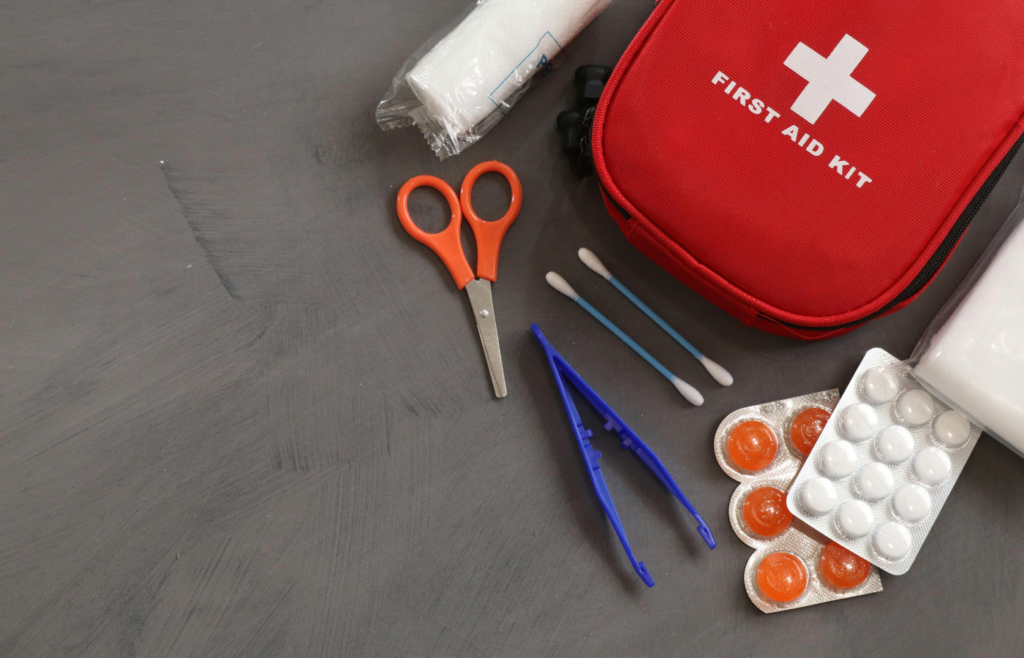
Storms bring flying debris, broken glass, and injuries. A well-stocked first aid kit can treat cuts, burns, and other injuries until help arrives.
- Include bandages, antiseptic wipes, gauze, tweezers, and pain relievers.
- Add personal medications that you or family members need.
4. Bottled Water (At Least 3 Days’ Supply)
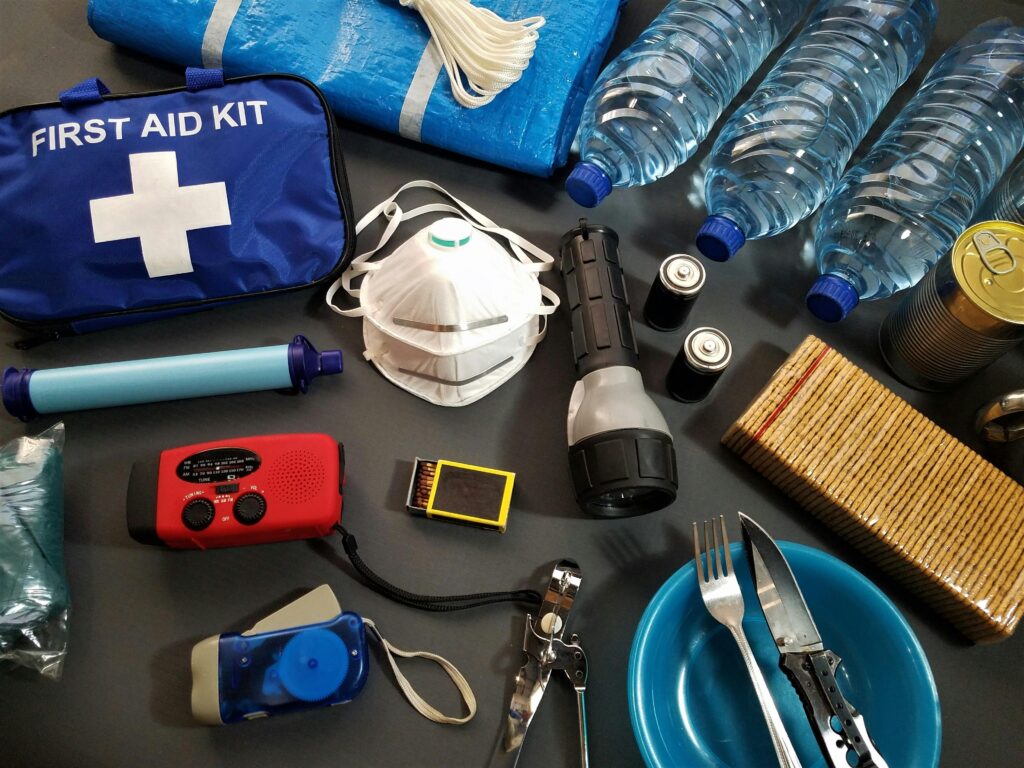
Flooding and power outages can contaminate water supplies. You’ll need at least one gallon per person per day for drinking and sanitation.
- Store water in sealed containers and rotate every six months.
5. Non-Perishable Food (Enough for 3 Days)
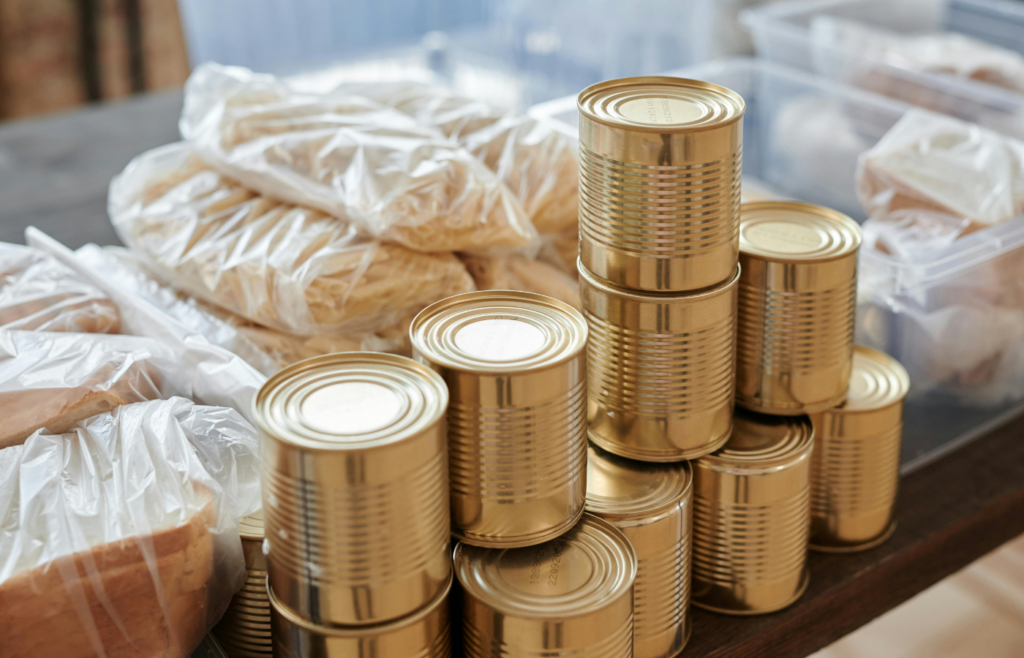
Power outages mean no refrigeration or cooking. Keep foods that are easy to eat and won’t spoil.
- Canned meats, fruits, and vegetables (don’t forget a manual can opener!).
- Protein bars, nuts, and dried fruits for energy.
6. Emergency Whistle
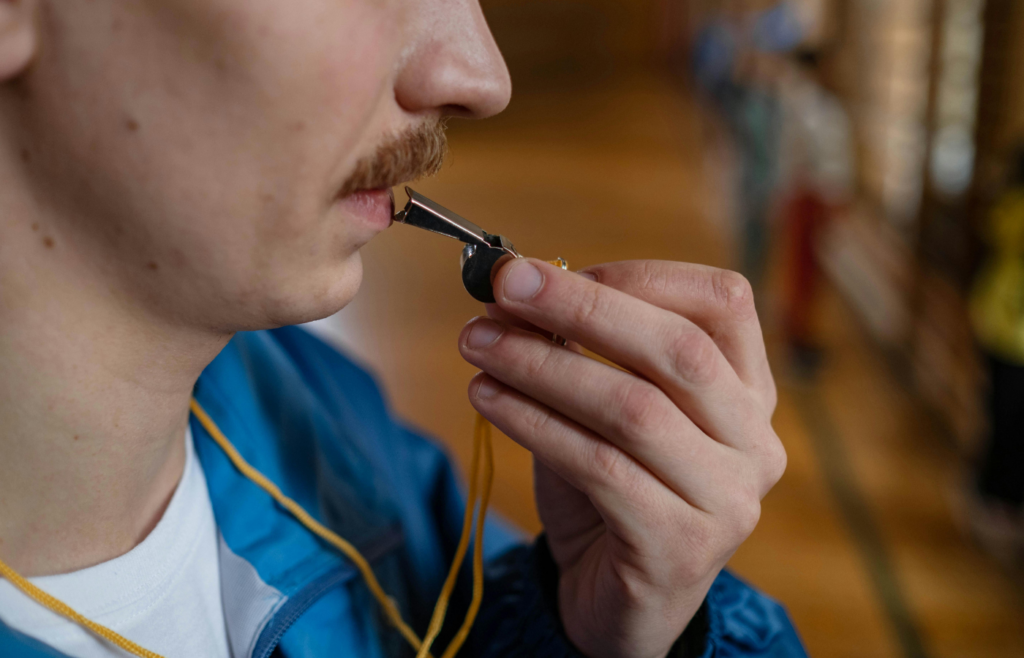
If you’re trapped under debris or need rescue, a whistle is louder than yelling and takes less energy.
- Three short blasts = Universal distress signal.
7. Multi-Tool or Swiss Army Knife
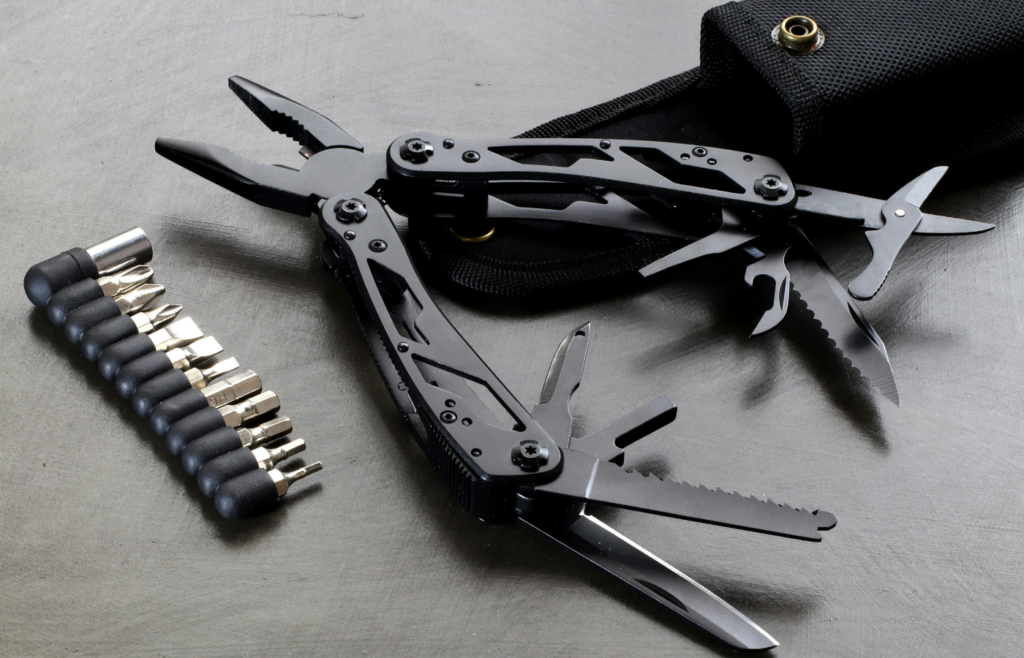
When storm damage leaves broken doors, tangled wires, or jammed windows, a multi-tool can be a lifesaver.
- Get one with a knife, screwdriver, pliers, and bottle opener.
8. Extra Phone Charger or Power Bank
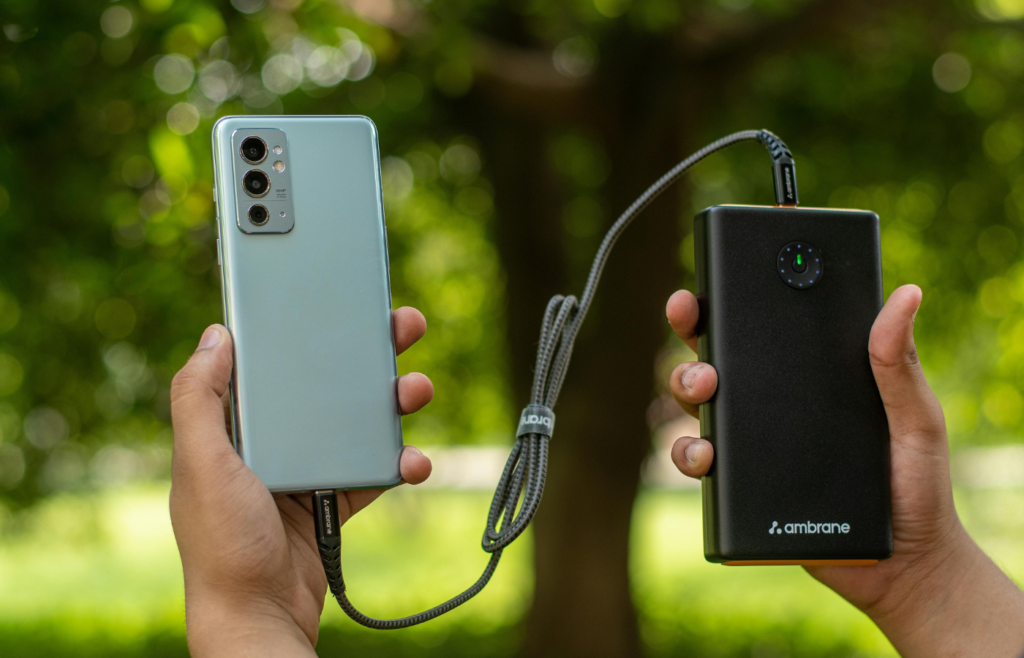
A dead phone means no calling for help. Keep a fully charged power bank in your kit.
- Solar-powered chargers are great for long-term outages.
9. Warm Blanket or Sleeping Bag
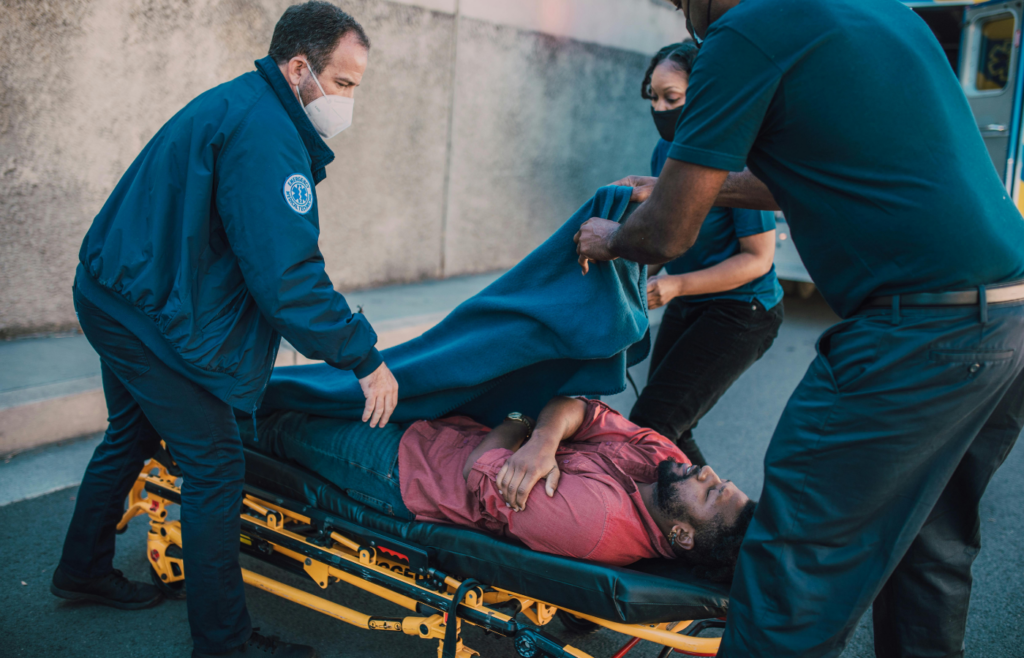
Storms can knock out heat, and hypothermia can happen even in mild temperatures.
- A Mylar emergency blanket is lightweight and retains body heat.
10. Extra Clothes and Sturdy Shoes
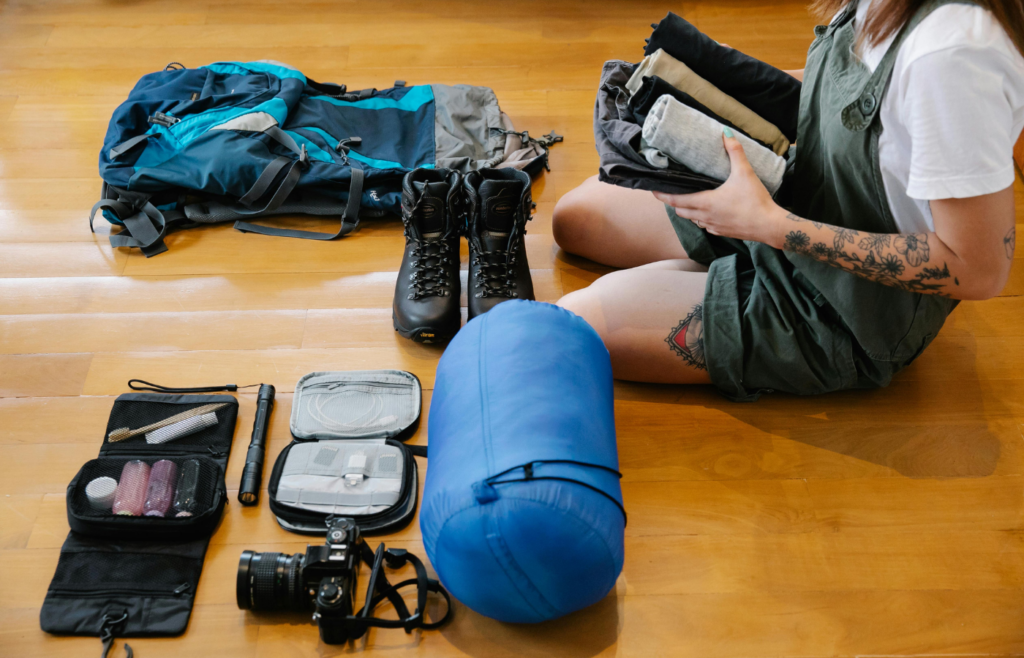
Floods, tornadoes, and snowstorms destroy homes—you may need to evacuate fast.
- Pack a waterproof jacket, socks, gloves, and a hat.
- Sturdy shoes protect against debris, nails, and broken glass.
11. Important Documents in a Waterproof Bag

If you have to evacuate, you’ll need ID and proof of ownership for your home or car.
- Include passports, insurance policies, birth certificates, and emergency contacts.
12. Personal Hygiene and Sanitation Supplies

If running water is unavailable, hygiene can become a serious health issue.
- Hand sanitizer, wet wipes, toilet paper, and feminine hygiene products are must-haves.
13. Cash (Small Bills and Coins)

When power goes out, ATMs and credit cards may not work.
- Keep at least $50 in small bills for food, gas, or emergency purchases.
Read More: Top 10 Survival Gear Items That Are Surprisingly Affordable
14. Local Maps (Printed, Not Digital)
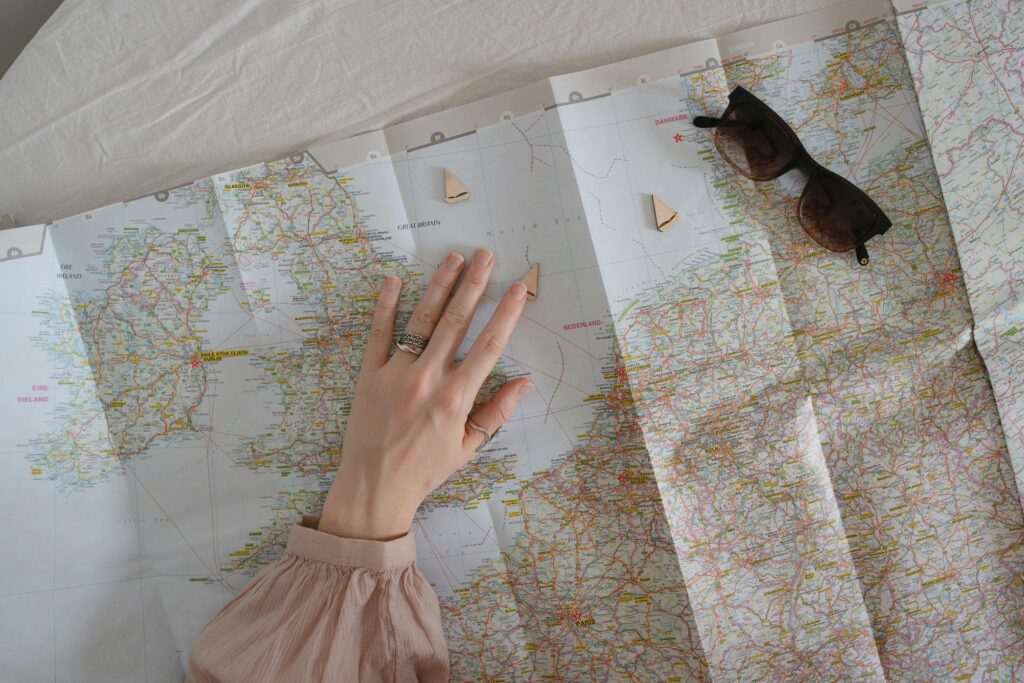
GPS doesn’t work when cell service is down. A paper map ensures you can navigate back roads if you need to evacuate.
- Mark shelters, hospitals, and emergency routes ahead of time.
Read More: Top 10 Items Every Home Should Have for Weather Emergencies
15. Extra Set of House and Car Keys
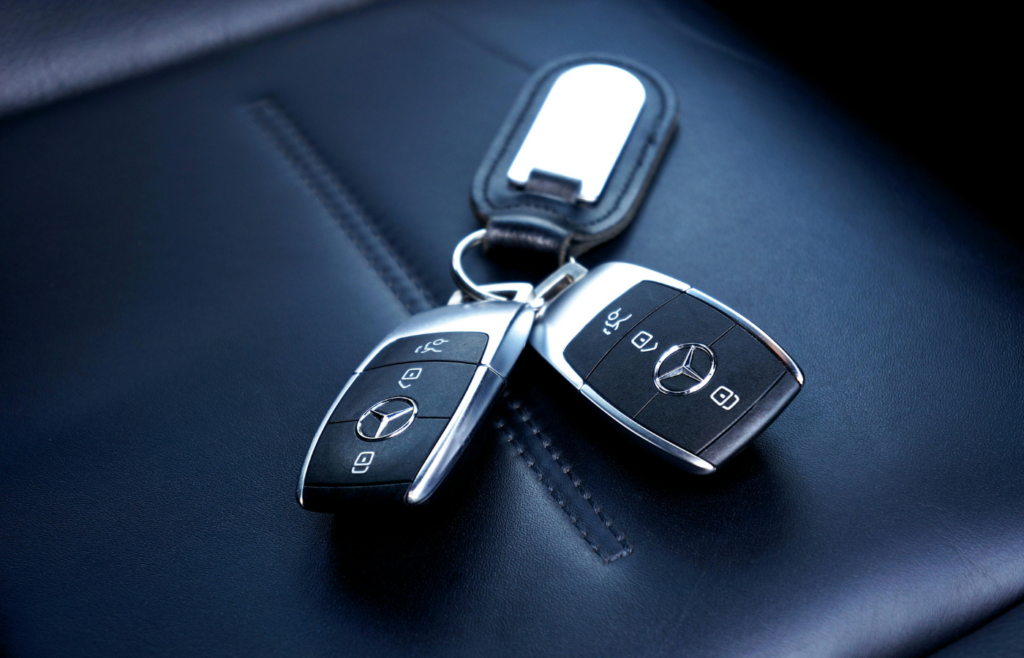
If you lose your keys during a storm or evacuation, getting back home could be impossible.
- Store a spare set of car and house keys in a waterproof bag.
Bonus Items (If You Have Space)
- Duct tape (for sealing leaks, fixing windows, or quick repairs).
- Glow sticks (safer than candles for light).
- Pet supplies (food, leash, and carrier).
Final Thoughts
Storms can strike with little warning, but a well-prepared emergency kit gives you the best chance of staying safe.
Take time today to build your kit—because when disaster strikes, there may be no time to prepare!
Read More: Top 10 Reasons More People Are Quietly Becoming Preppers