Earthquakes are sudden, violent, and deeply unsettling—but the science behind them can be even more surprising. From upside-down damage to quakes that don’t shake at all, earthquakes often behave in ways that go against what we think we know.
Here are 15 earthquake facts that defy common sense—and might change the way you think about the ground beneath your feet.
1. The Ground Can Move Faster Than Sound
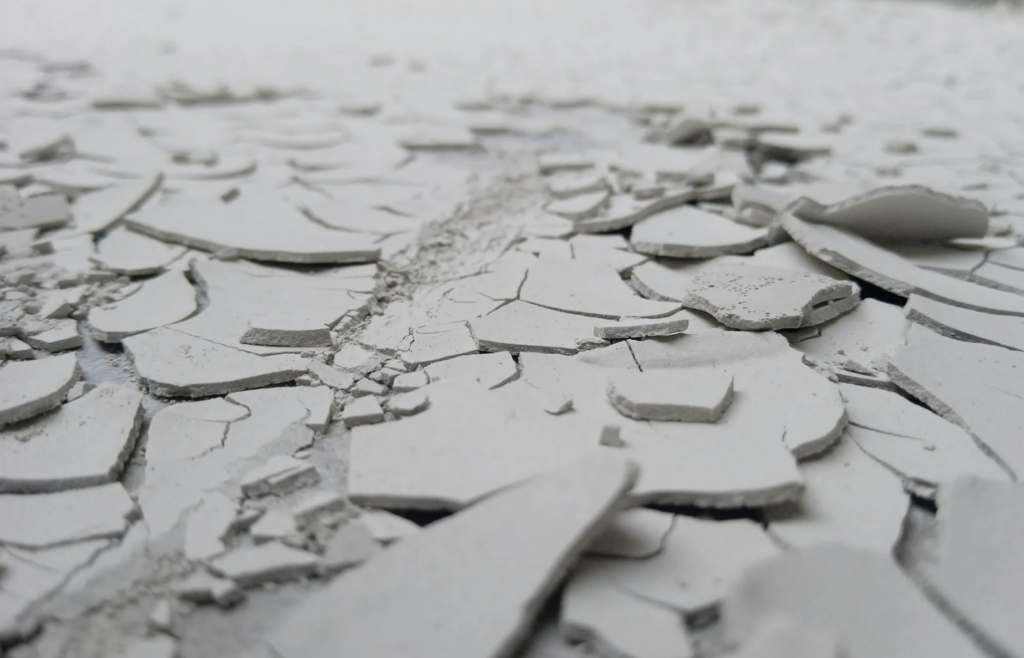
Some earthquakes produce shockwaves that travel through rock faster than the speed of sound. These seismic waves can hit with little to no warning and cause intense ground motion before alarms can go off.
That’s faster than your brain can even react.
2. You Might Not Feel the Biggest Ones
Some of the most powerful earthquakes happen deep underground and don’t even make the surface shake violently. They’re called “silent” or “slow-slip” earthquakes, and they release huge energy over days or weeks.
You could be walking around during one and never feel a thing.
3. Skyscrapers Can Be Safer Than Small Buildings
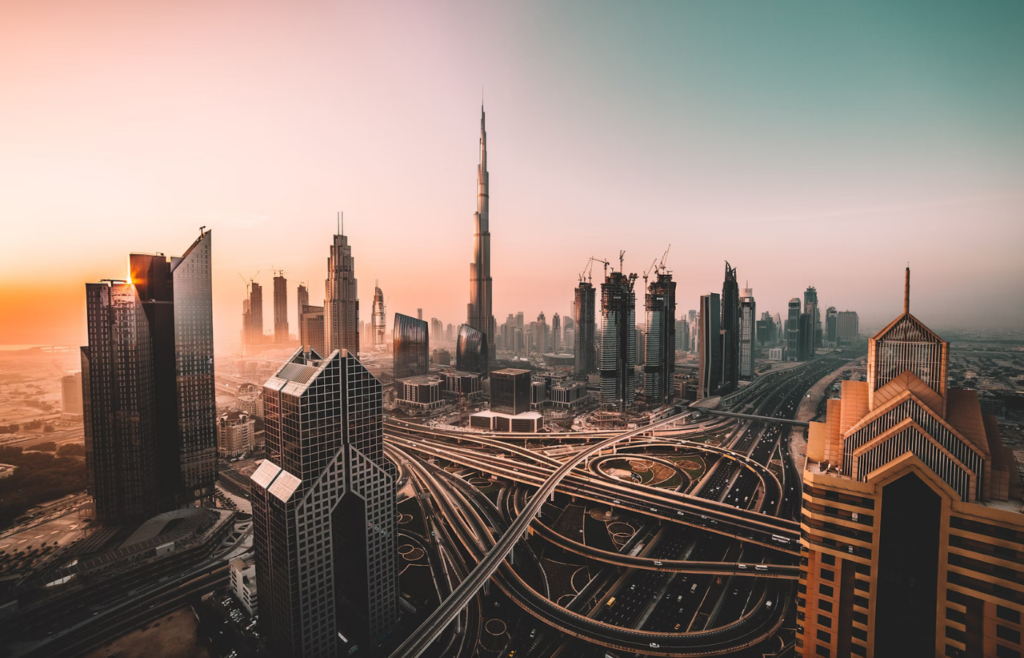
It sounds backwards, but tall buildings—if properly engineered—are often better at riding out quakes. They’re built to sway, not snap.
Meanwhile, older or poorly built low-rise structures are more likely to crumble.
4. Water Can Shake Like Jelly
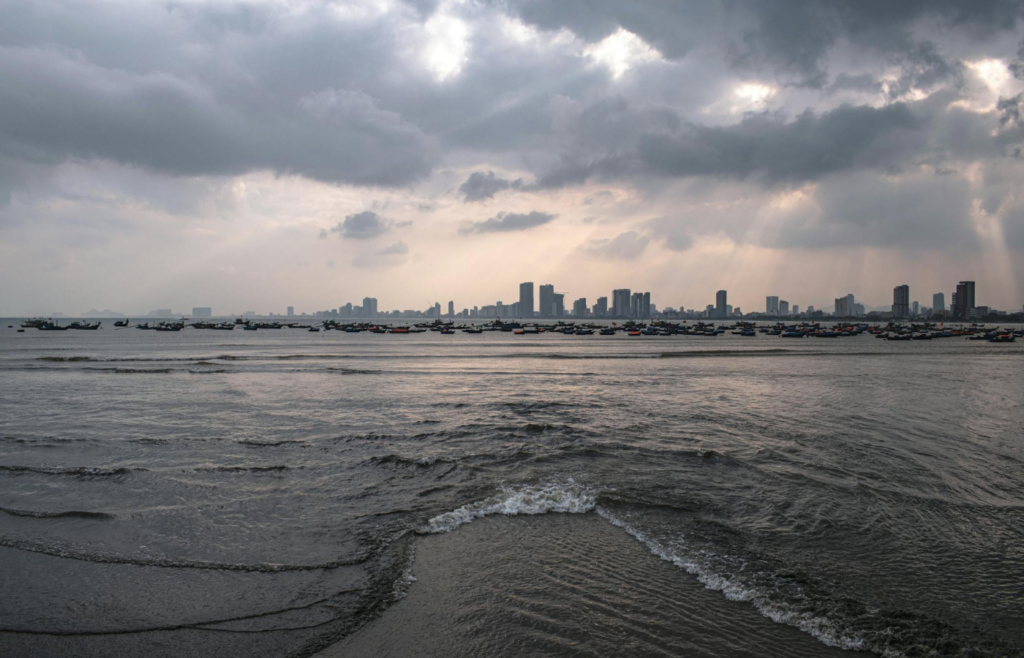
During a quake, lakes, swimming pools, and harbors can slosh violently—sometimes even after the shaking stops. These waves, called seiches, can be strong enough to flood areas or damage boats inland.
Yes, earthquakes can ripple through water far from the epicenter.
5. Earthquakes Can Trigger Other Earthquakes Across the Globe

When a big quake hits, it can send shockwaves that destabilize distant faults. Earthquakes in Alaska have triggered seismic activity in Yellowstone. Indonesia’s megaquakes have stirred up tremors in California.
It’s like dominoes—on a global scale.
6. The Ground Can Liquefy
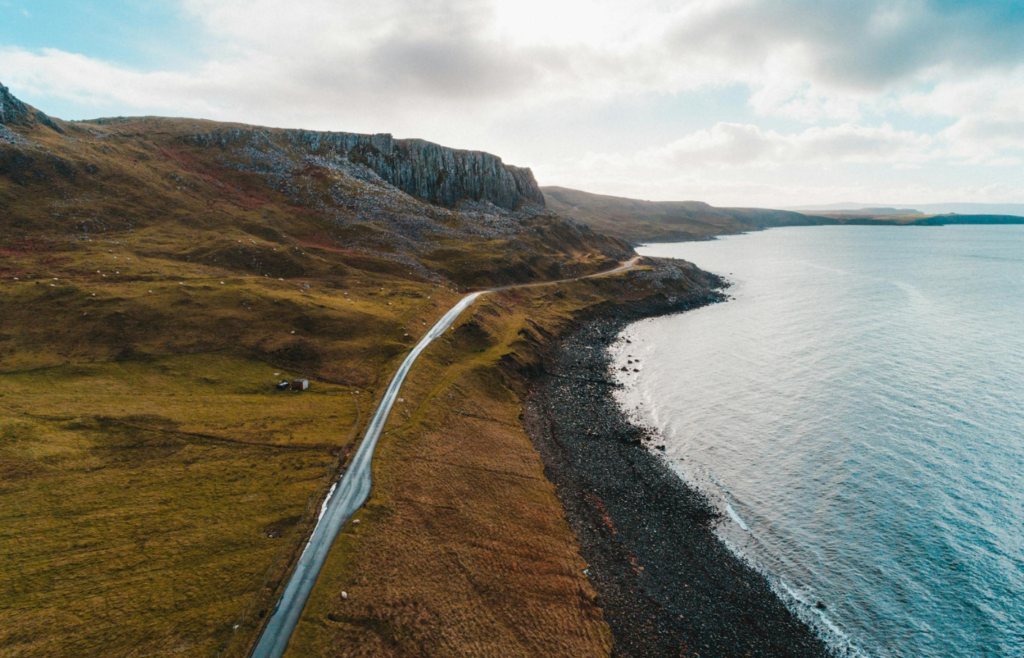
In some places, shaking turns solid ground into mush. This is called liquefaction. It happens when saturated soil loses its strength and flows like a liquid.
Buildings can tip, sink, or collapse even if they’re perfectly designed.
7. Some Quakes Happen Where There Are No Faults
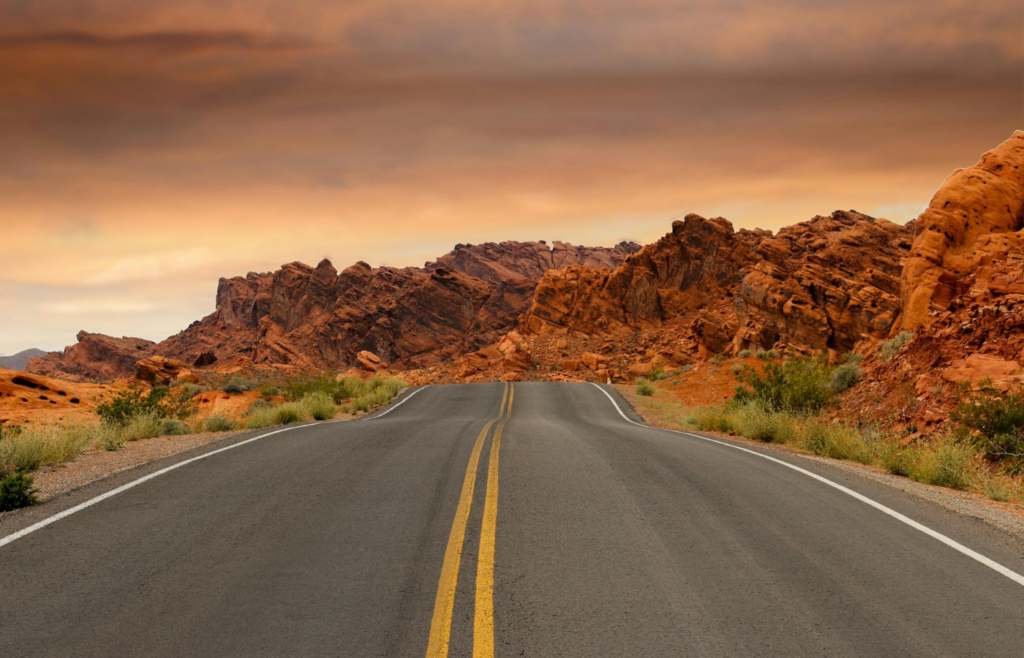
While most earthquakes occur on known fault lines, some happen in places with no obvious faults at all. These are called intraplate earthquakes.
The 1811–1812 New Madrid quakes struck the central U.S., far from any tectonic plate boundary—and they were massive.
8. Earthquakes Can Turn Day Into Night
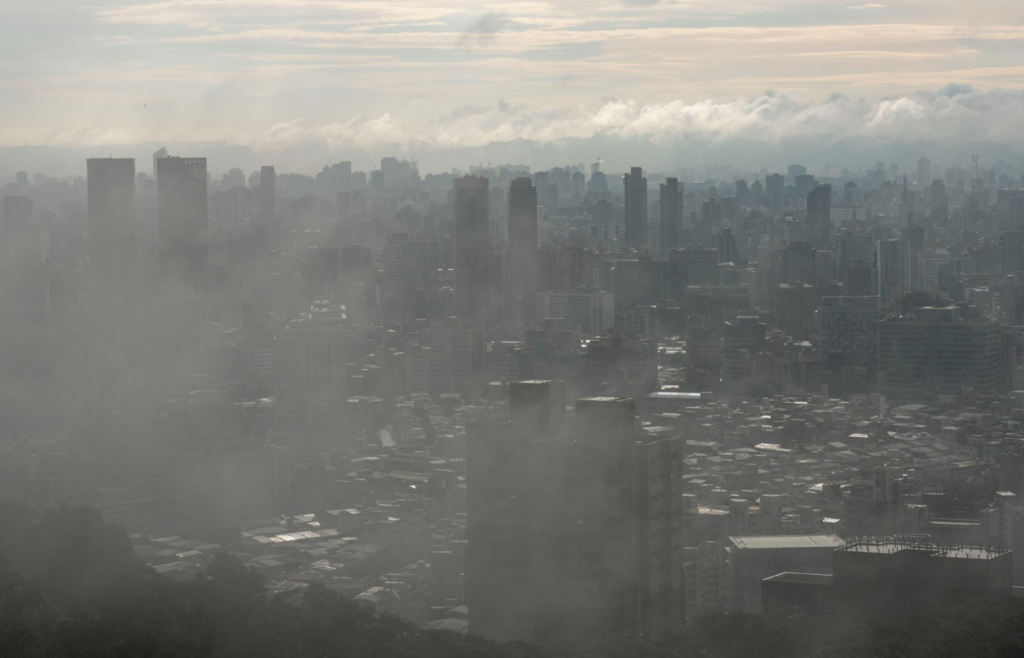
Powerful quakes can kick up so much dust and debris that they darken the sky. This happened in the 1976 Tangshan quake in China, where dust clouds blocked the sun.
It’s like a volcanic eruption—without the volcano.
9. They Can Permanently Change the Shape of the Earth
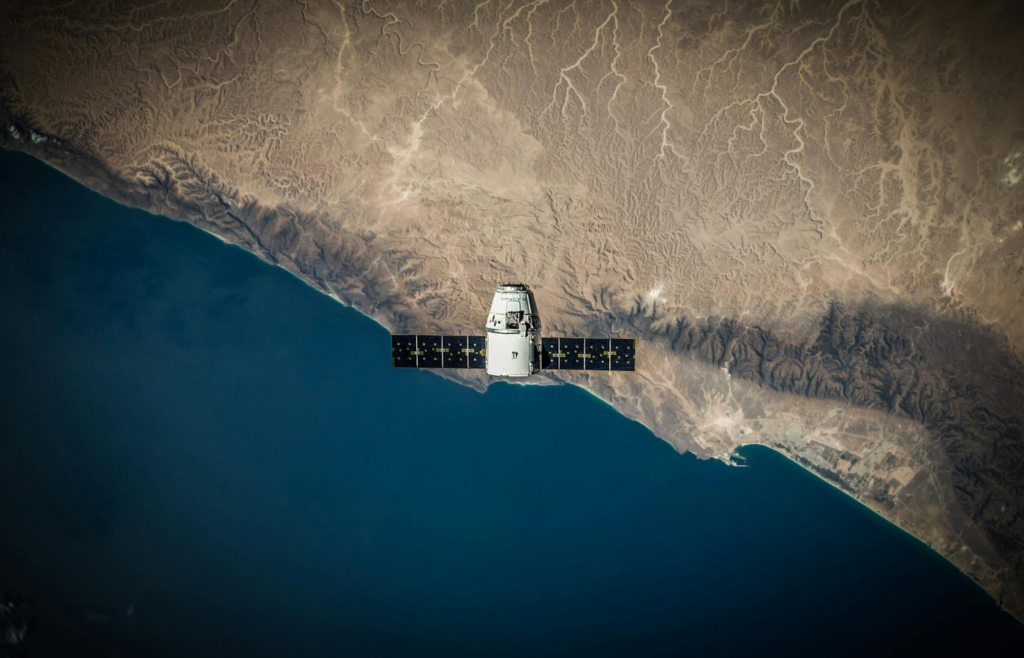
Big quakes can raise land, drop valleys, or even move entire regions. The 2011 Japan earthquake shifted the island by 8 feet and tilted Earth’s axis by several inches.
The planet literally reshapes itself in seconds.
10. Animals Really Do Act Weird Before Quakes—But We Don’t Know Why

There are countless stories of animals fleeing, barking, or panicking before an earthquake. Scientists believe they might sense underground vibrations or pressure changes.
It’s not fully understood—but it’s been observed for centuries.
11. Aftershocks Can Be Worse Than the Main Quake
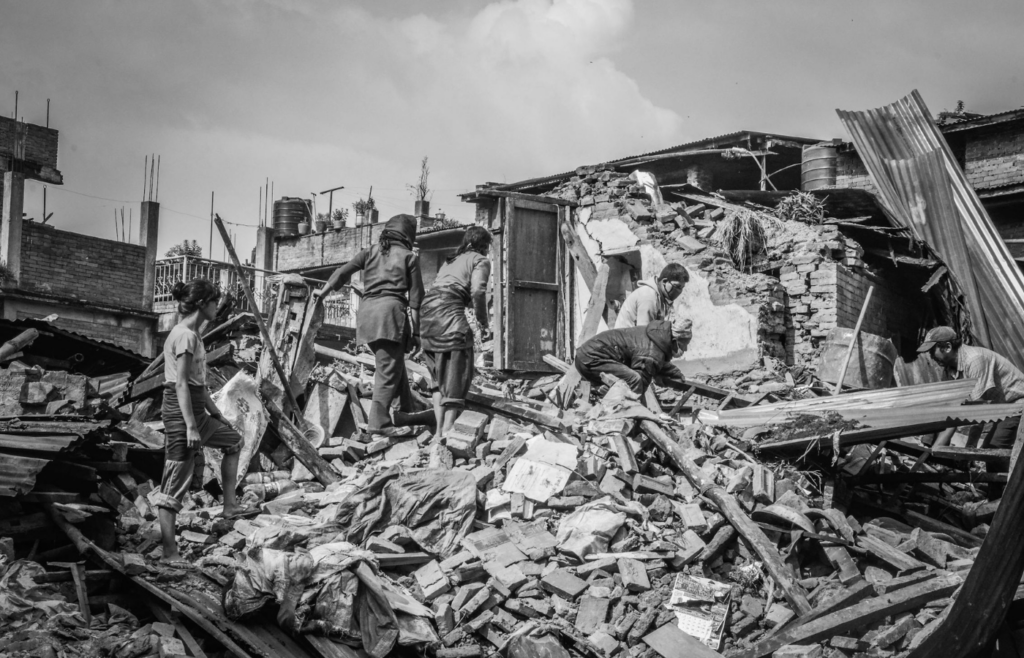
Sometimes, what we think is the main quake is just a preview. A stronger aftershock can hit hours or days later—when buildings are already weakened and people have let their guard down.
This can cause more deaths than the first quake.
12. Quakes Can Last for Minutes, Not Seconds

We often think of earthquakes as quick bursts—but the biggest ones can shake for five minutes or more. The 2004 Indian Ocean quake lasted over 10 minutes.
That’s 10 minutes of unstoppable movement beneath your feet.
13. They Can Happen Under Ice
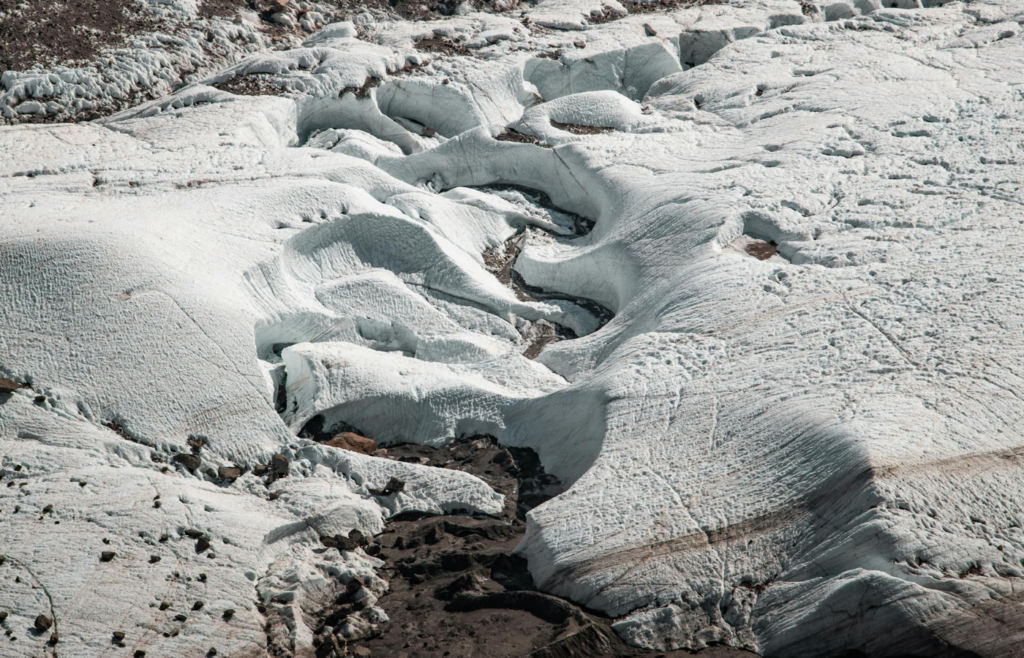
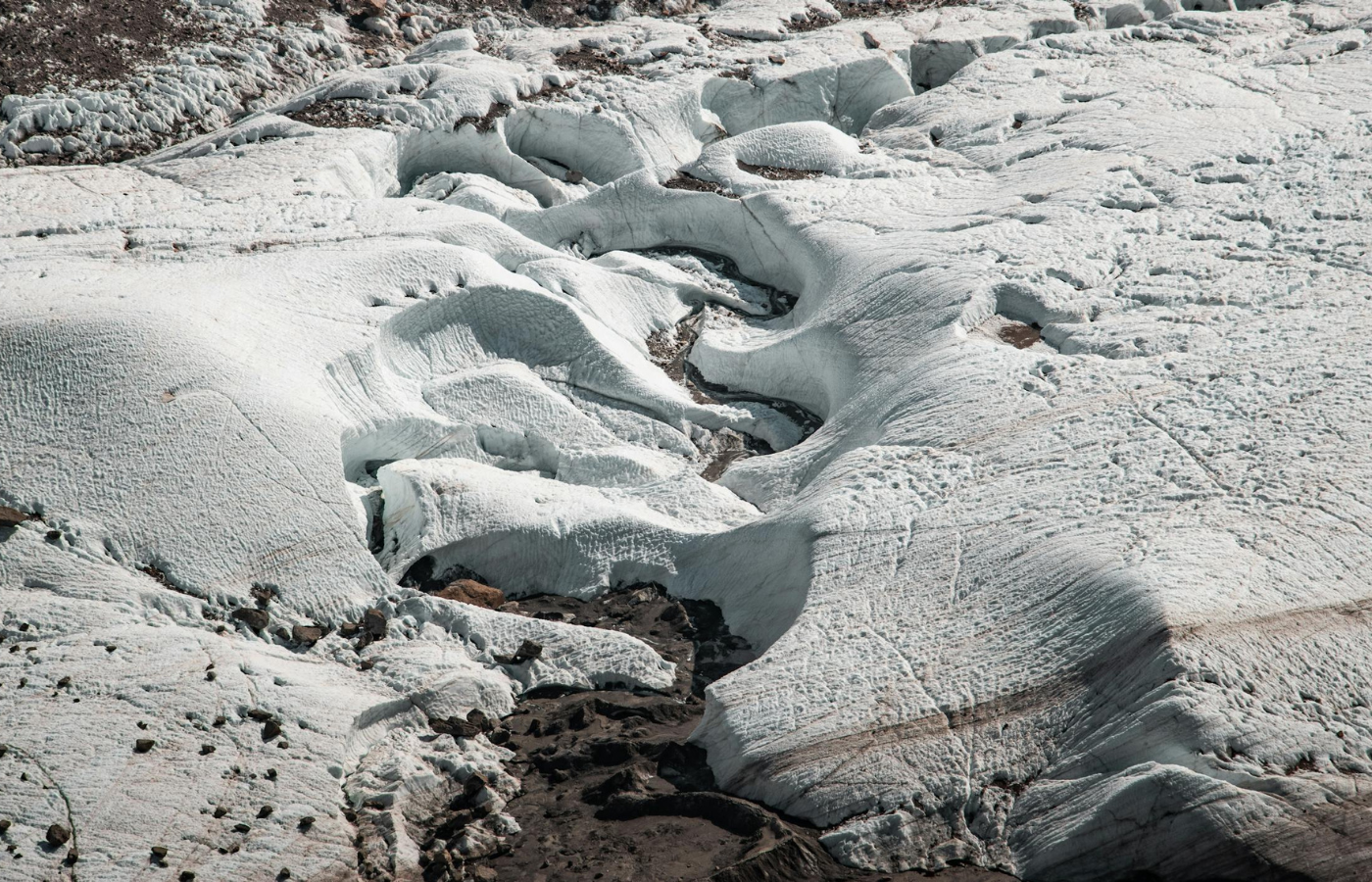
Earthquakes aren’t just a dry-ground problem. Quakes have been recorded beneath Antarctica’s ice sheet, triggered by shifting glaciers and underlying faults.
Even the coldest places on Earth aren’t safe from tectonic shifts.
Read More: Top 10 Reasons Yellowstone’s Supervolcano Keeps Scientists Up at Night
14. You Can Hear Some Earthquakes Coming

People have reported hearing roaring, booming, or rumbling just before the ground begins to shake. These sounds are low-frequency waves moving through rock.
If you hear one, brace yourself—it may be the P-wave arriving just before the main shock.
Read More: Top 10 Strangest Things Ever Erupted from a Volcano
15. Earthquakes Are Happening All the Time—You Just Don’t Notice

Thousands of earthquakes happen every day around the world. Most are too small to feel, but they’re constantly rattling the Earth’s crust.
The planet is always in motion—we just usually don’t feel it.
Earthquakes break more than just ground—they break expectations. Understanding how strange they can be helps us stay better prepared when the world decides to shake.
Read More: Top 10 Weather Phenomena That Science Still Doesn’t Fully Understand