
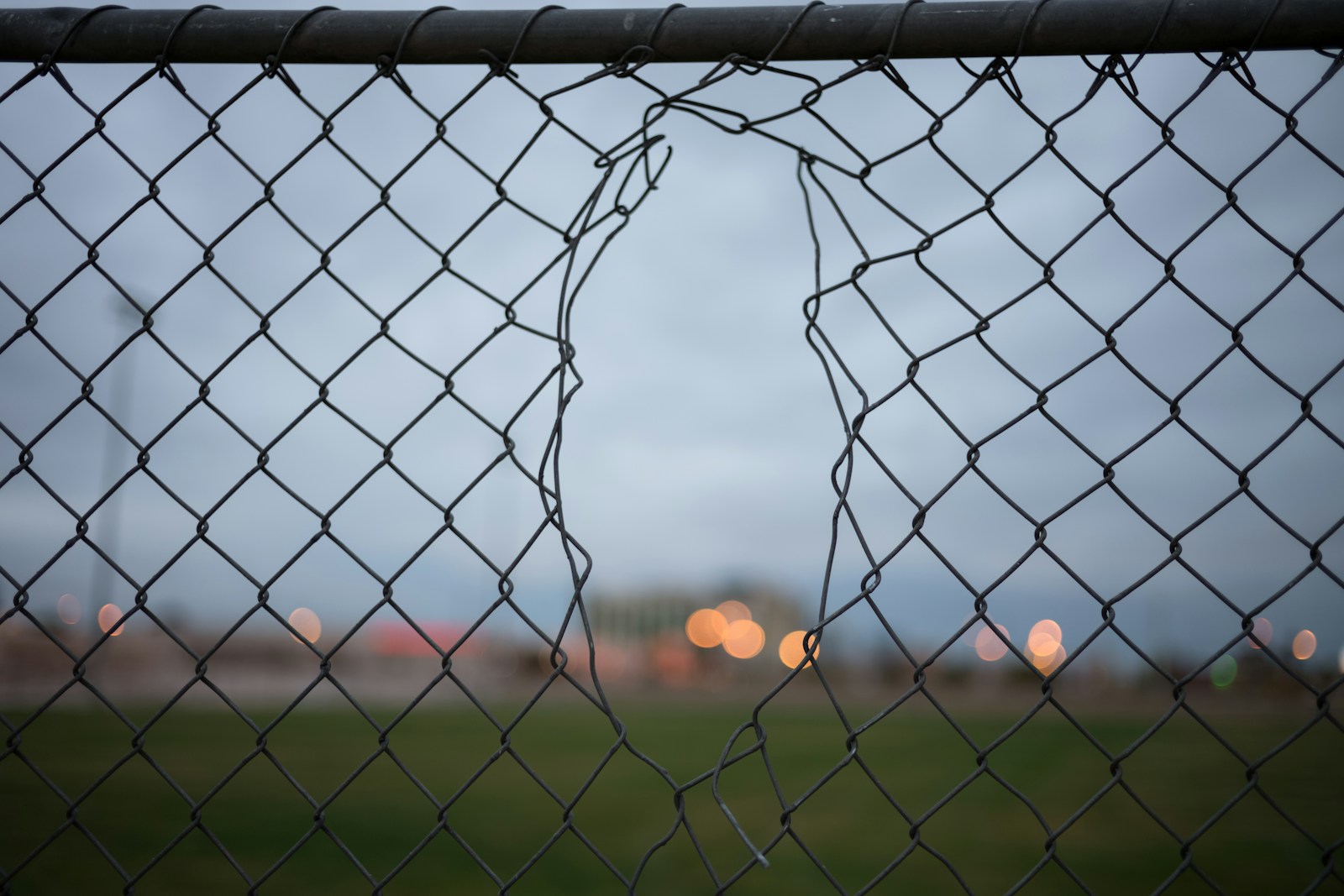
Disasters leave more than just chaos—they leave a mess. Broken windows, leaks, blocked doors, and damaged gear can pile up fast. And when help is delayed, you’re the repair crew. Having a few basic skills and supplies on hand can make the difference between discomfort and disaster.
Here are 10 smart DIY fixes for common post-disaster problems that’ll help you hold the line until real repairs can happen.
1. Broken Window? Seal It with Plastic and Tape
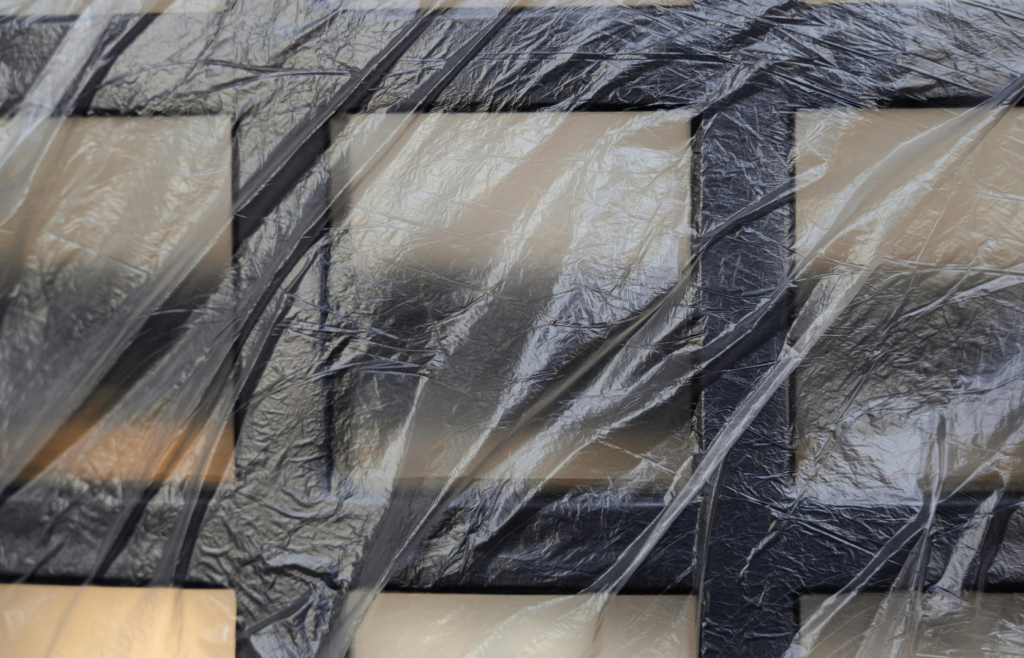
A shattered window lets in cold, rain, and even intruders. Clear plastic sheeting and duct tape can cover the opening and keep the elements out.
Tape around the edges tightly, and if you have cardboard or a shower curtain liner, double up for insulation. It’s fast, cheap, and buys you time.
2. Roof Leak? Use a Tarp and Rope Tie-Downs
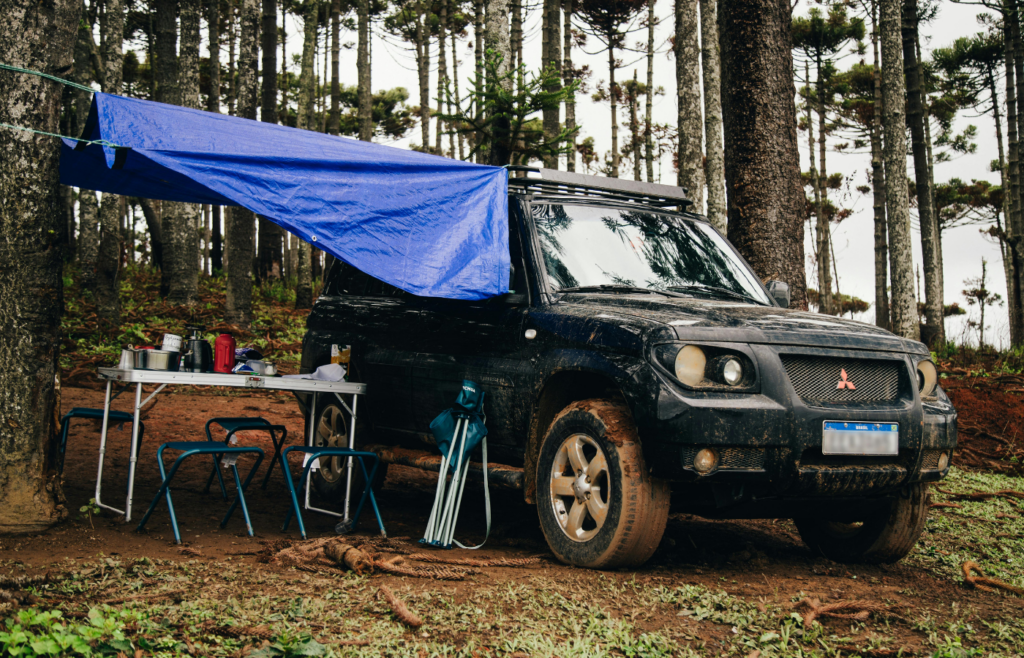
If your roof is leaking, get a tarp over it before it rains again. Stretch it tightly over the damaged section and anchor it with ropes, sandbags, or heavy objects.
Secure the tarp over the peak if possible, so water runs off instead of pooling. It’s not pretty, but it works.
3. No Toilet? Build a Bucket Loo
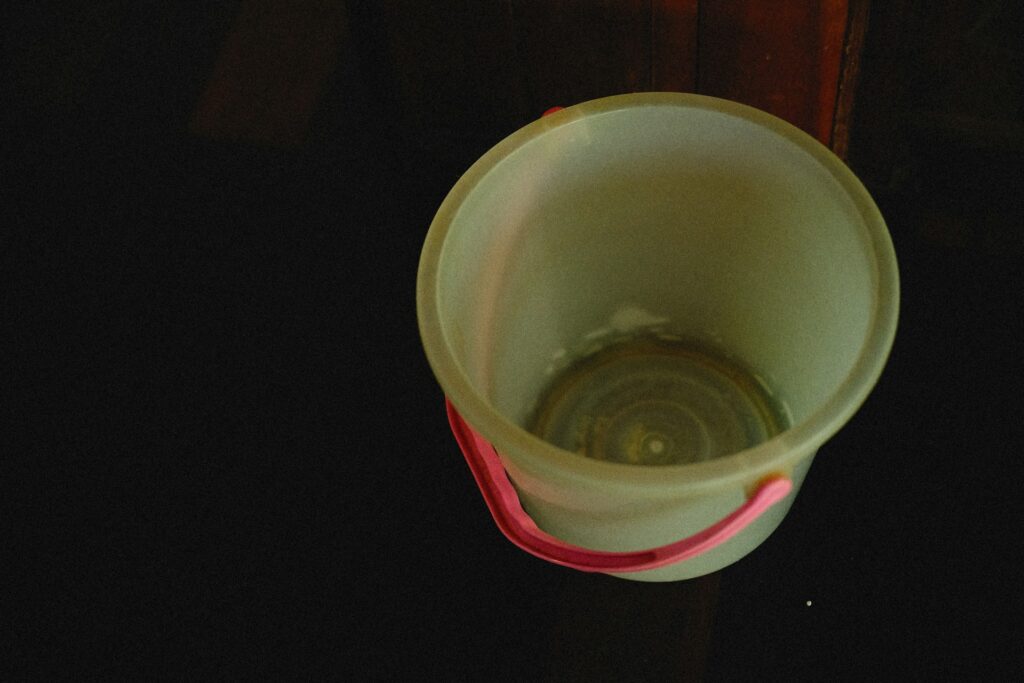
Water shut off? A 5-gallon bucket, trash bags, and a seat make a fast emergency toilet. Line the bucket with a bag, sprinkle with kitty litter or sawdust, and close the lid after each use.
It’s sanitary, simple, and a lifesaver when plumbing fails. Don’t forget the toilet paper and hand sanitizer.
4. Power Out? Rig Solar Lights from Your Yard
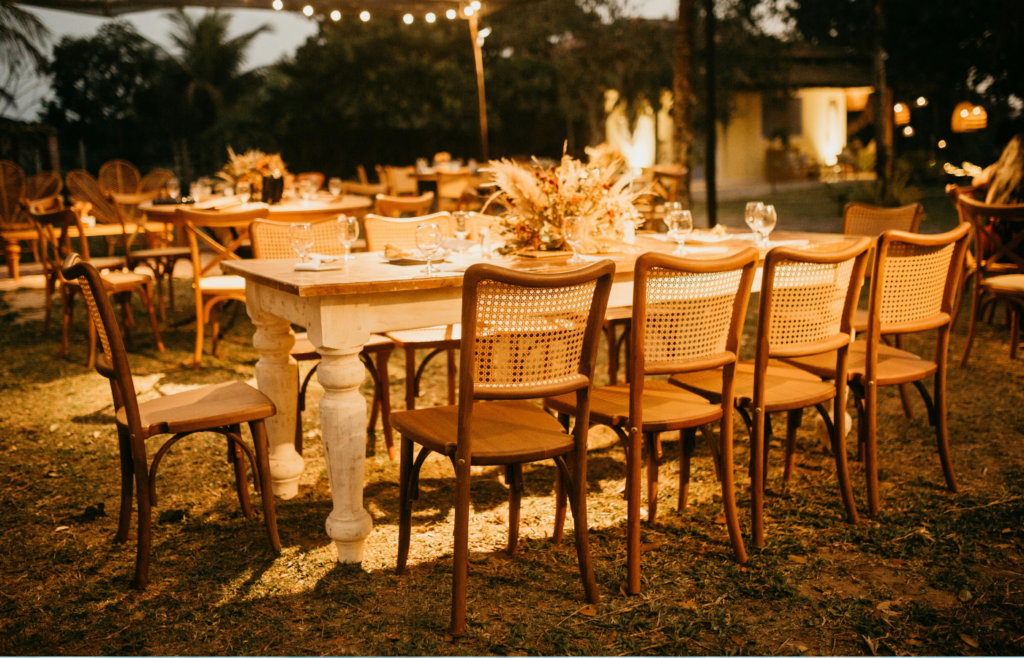
Bring solar garden lights indoors at night for safe, flameless light. Charge them outside during the day and set them in rooms or hallways after dark.
They’re safer than candles and perfect for kids’ rooms or late-night bathroom trips.
5. Fridge Down? Build a Cooler with Ice or Snow
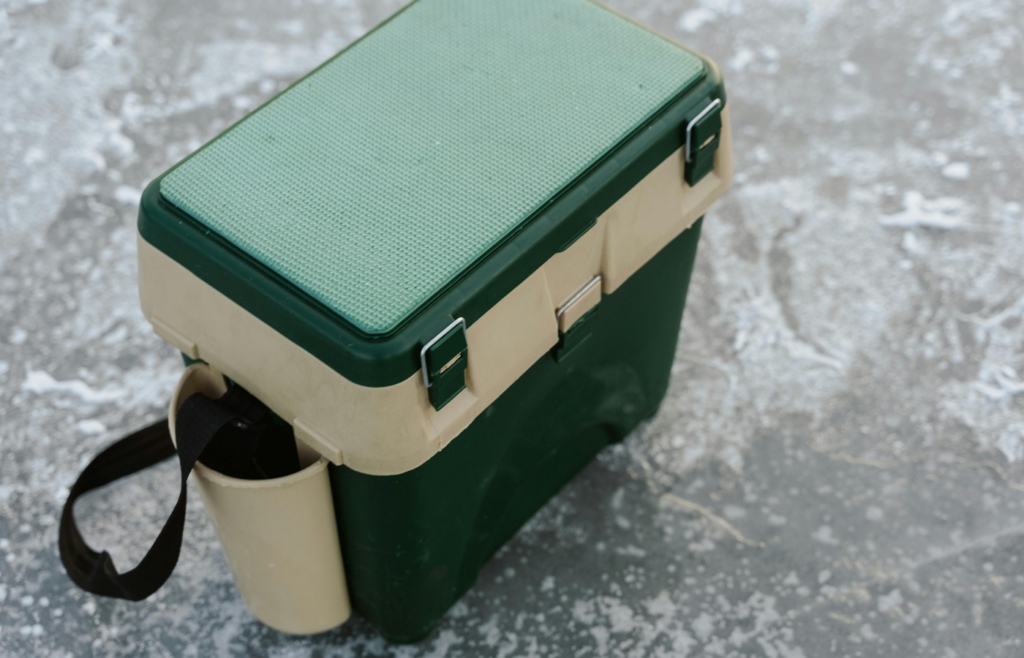
When the fridge dies, move perishables into a cooler with ice or snow. If it’s cold outside, store sealed items in a shaded, insulated box outdoors.
Use a thermometer if you can—below 40°F keeps food safe. Prioritize eating or preserving high-risk items like meat and dairy.
6. Cracked Pipes? Turn Off the Water and Wrap the Leak
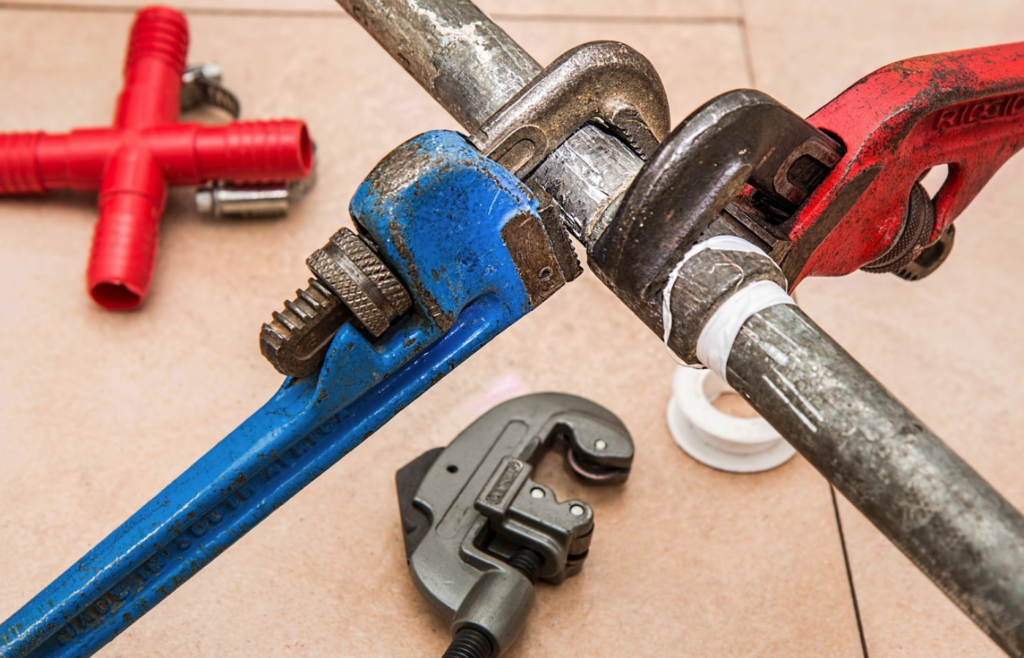
Find your main water shutoff before you need it. If a pipe cracks, turn it off fast. Then wrap the damaged section in rubber (a cut-up tire tube or glove works) and secure it with clamps, zip ties, or duct tape.
This won’t last forever, but it can stop flooding while you wait for a plumber.
7. Jammed Door? Sand, Plane, or Wedge It Open
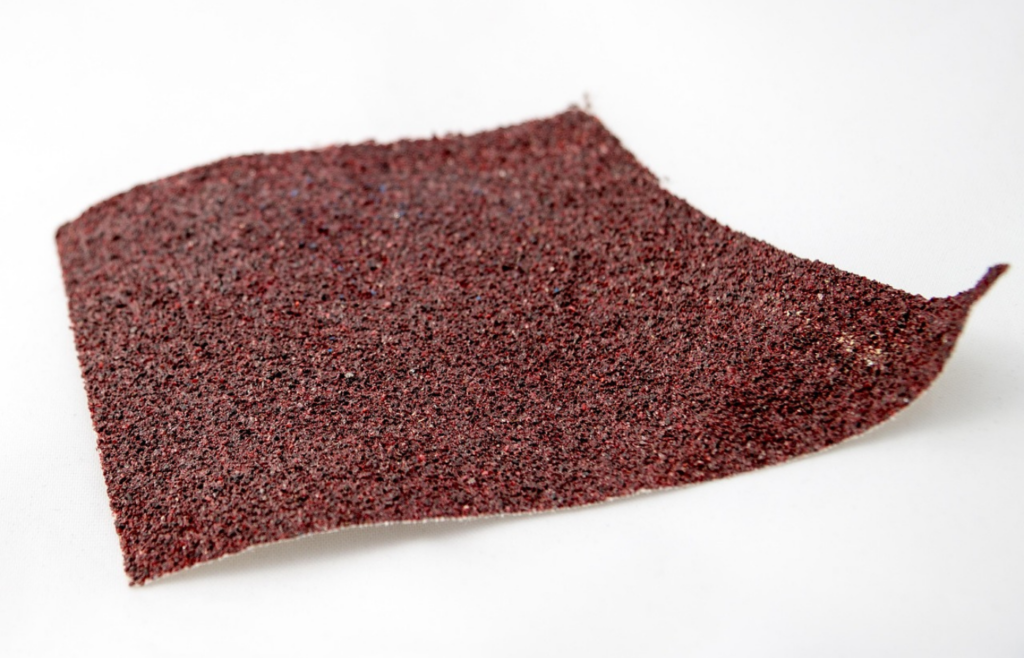
After a flood, wooden doors swell and get stuck. Sand the edges or use a small hand plane to shave down the tight spots.
If the frame’s warped, wedge the door open for ventilation to help it dry. It’s slow work, but it gets you in (or out).
8. Water Supply Interrupted? Set Up a Rain Catch System
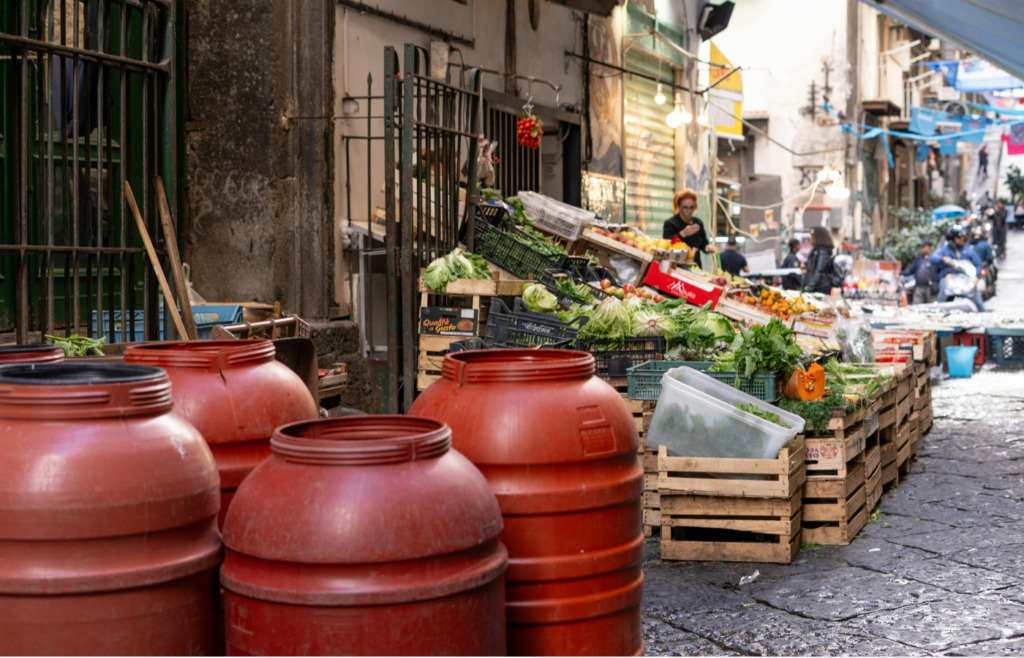
If clean water is limited, collect rain with a tarp, clean buckets, or a gutter-fed barrel system. Use a cloth to pre-filter debris, and boil or purify the water before use.
Even a kiddie pool or plastic tote works in a pinch. Just keep it covered when not in use.
Read More: Top 10 Survival Gear Items That Are Surprisingly Affordable
9. Damaged Fence? Reinforce It with Rope and Stakes
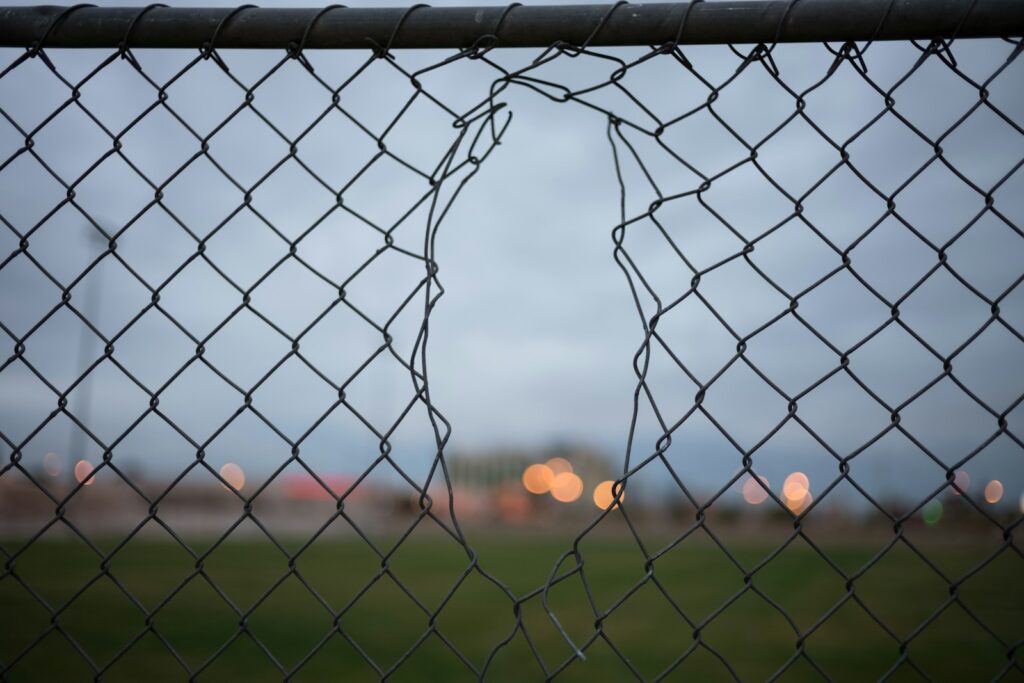
A downed fence means less security. Use rope, wire, or paracord to pull sections tight and secure them to trees, poles, or makeshift stakes.
Use tarps or debris to block visibility if privacy is a concern. It’s not permanent—but it restores a sense of control.
Read More: Top 10 Reasons More People Are Quietly Becoming Preppers
10. Cracked Flashlight or Gear? Use Duct Tape, Superglue, or Zip Ties
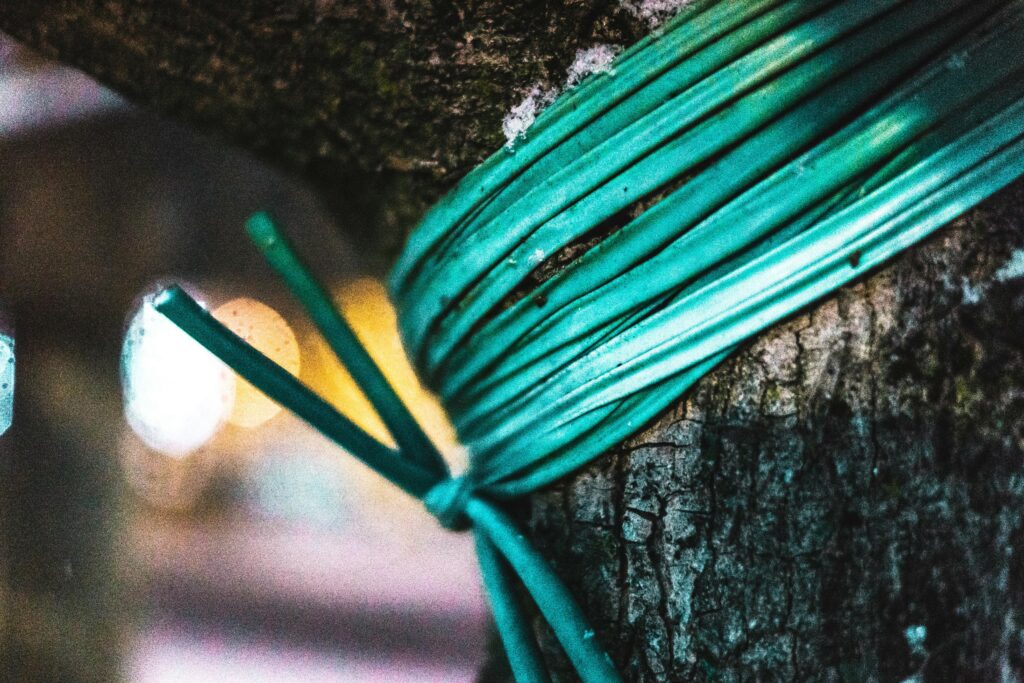
When gear breaks, don’t toss it—patch it. Duct tape can seal cracks, superglue fixes hard plastics, and zip ties hold parts in place until replacements arrive.
It’s rough and ready, but it works. A well-timed repair can keep a critical tool alive through the worst of it.
You don’t need to be a master handyman to survive a disaster—you just need the right materials and a little know-how. These DIY fixes buy you time, protect your home, and keep your life moving forward while you wait for the world to catch up.
Read More: Top 10 Non-Refrigerated Meals That Can Keep You Alive for Days