
Ancient civilizations developed remarkable methods to predict weather, often with surprising accuracy. Their keen observations of natural phenomena allowed them to anticipate weather changes effectively.
Here are ten instances showcasing their impressive forecasting abilities:
1. Babylonian Cloud Interpretations

Around 650 B.C., Babylonians observed cloud formations and optical phenomena like haloes to predict short-term weather changes. Their detailed records laid the groundwork for systematic weather forecasting.
2. Chinese Seasonal Calendars

By 300 B.C., Chinese astronomers developed a calendar dividing the year into 24 festivals, each associated with specific weather patterns. This system helped in agricultural planning and understanding seasonal changes.
3. Greek Weather Lore

Theophrastus, a Greek philosopher from the 4th century B.C., compiled “On Signs,” documenting weather prediction methods based on natural observations. His work remained influential for centuries.
4. Indian Monsoon Predictions

Ancient Indian texts, like the Upanishads, mention observations of clouds and seasons, aiding in predicting monsoon patterns crucial for agriculture. Sacrifices were performed when certain phenomena were noticed, indicating an early understanding of the weather’s impact.
5. Egyptian Nile Flood Forecasts

Egyptians around 3500 B.C. developed rain-making rituals and closely monitored the Nile’s flooding patterns, essential for their agricultural cycles. Their observations allowed them to anticipate and prepare for annual floods.
6. Andean Cabañuelas

In the Andes, indigenous cultures practiced “cabañuelas,” a method of predicting weather for the entire year based on observations made during specific periods in January. This traditional knowledge guided agricultural activities.
7. Medieval Islamic Astrometeorology
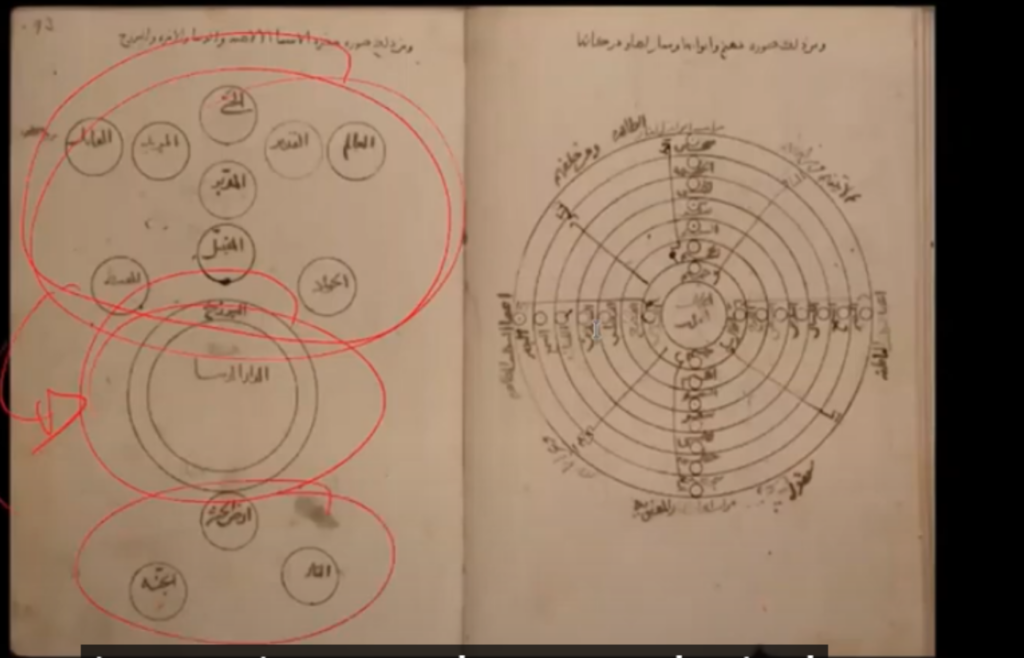
Islamicate scholars replaced short-term weather signs with planetary movements to predict weather, integrating astronomy with meteorology. Their advanced calculations improved the accuracy of weather forecasts.
8. European Weather Proverbs

European farmers and sailors relied on weather proverbs, such as “Red sky at night, sailor’s delight; red sky in the morning, sailor’s warning,” to anticipate weather changes. These sayings were based on consistent natural observations.
Read More: Top 10 Times Weather Went Totally Off the Charts
9. Indigenous Cloud Reading

Indigenous cultures worldwide developed the skill of interpreting cloud shapes and movements to forecast weather, a practice that has intrigued modern researchers for its effectiveness.
Read More: Top 10 Natural Events That Can Change Global Weather Overnight
10. Antikythera Mechanism’s Eclipse Predictions
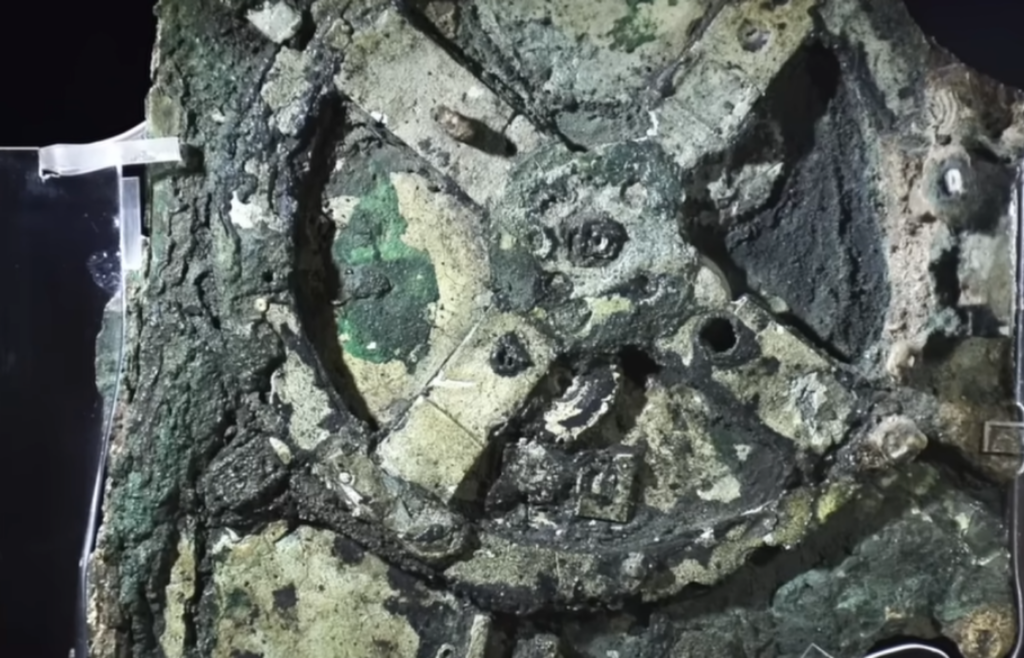
Dating from around 60 B.C., the Antikythera Mechanism, an ancient Greek device, could predict solar and lunar eclipses. Its complexity suggests a sophisticated understanding of astronomical cycles.
These examples highlight the ingenuity of ancient civilizations in developing methods to predict weather, many of which laid the foundation for modern meteorology.
Read More: 10 Ways the Moon Secretly Affects Earth’s Weather